a large public university in Ohio
How a Large Ohio University Reclaimed 5.5 Custodial Hours Daily With Scrubbers
Two new science buildings on a 2,000-acre campus added autonomous scrubbers and fleet telemetry. Documented average savings: 5.5 custodial hours per day.
- 5.5 hrs
- saved daily on avg
- 2
- autonomous scrubbers
- 101k sqft
- largest new building
- 4+ hrs
- runtime goal each
Based on a documented real-world deployment. Figures are from public reporting; the organization is not named.
New buildings, tight standards, limited hands
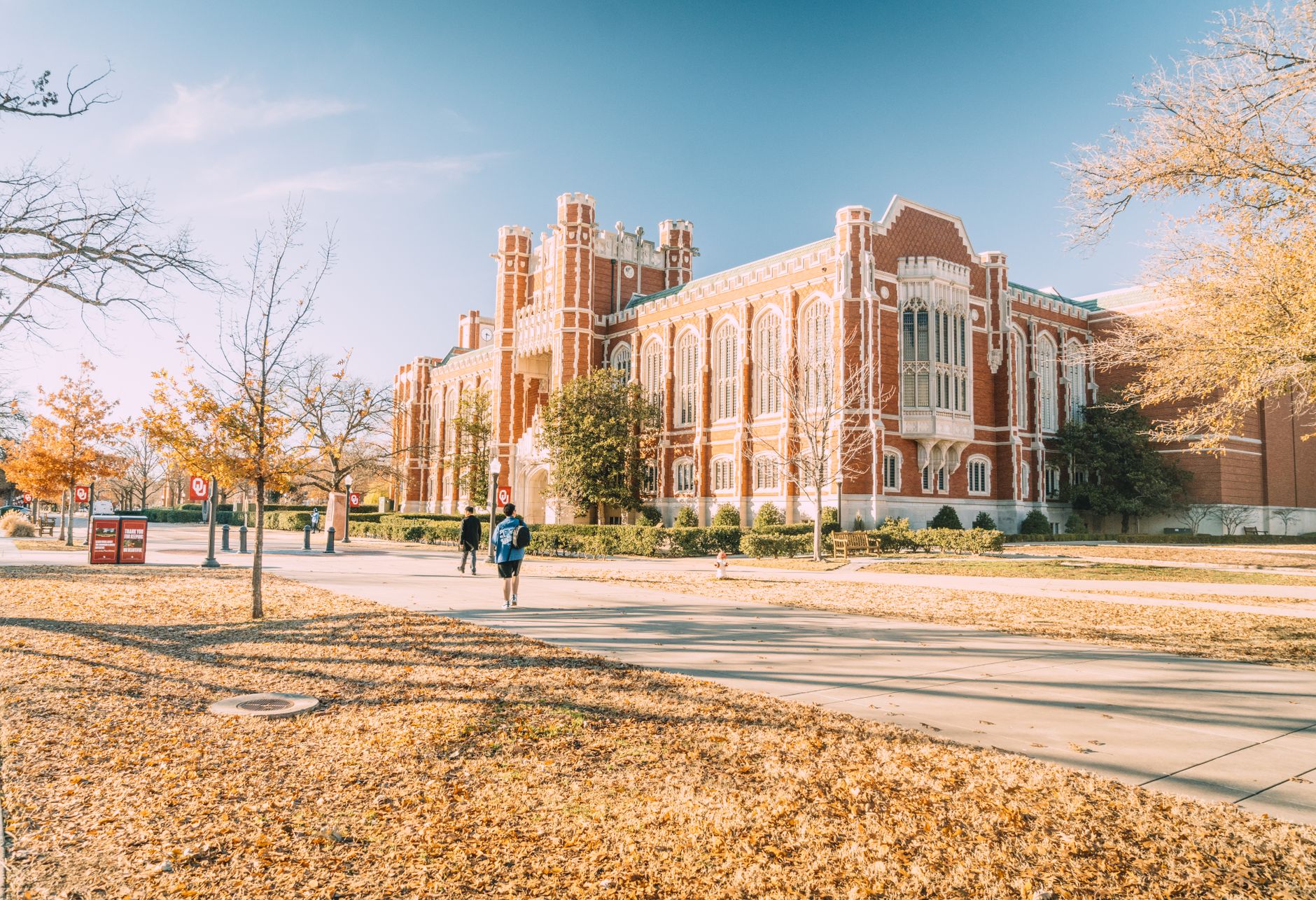
A large public university in Ohio opened two major academic buildings on a campus that already spans more than 2,100 acres and 150 structures. One facility totals about 72,000 square feet with glass-heavy architecture that shows dust and fingerprints quickly. The other spans about 101,000 square feet with clinic-style rooms, heavy student traffic, and nearly 40 restrooms that need frequent attention.
Coordinators in both buildings described long manual mopping shifts in older facilities as hard on the body. In the new spaces, teams still had to hit high-touch glass, sanitize clinical areas, and present vinyl floors without scuffs before morning classes filled the halls.
Labor pressure pushed facilities leadership to look for tools that augmented staff without lowering the visual standard students and faculty expect.
Pair scrubbers with measured routes in two pilots
Facilities added one compact autonomous floor scrubber in each new building, running routes on both day and evening shifts. Staff charge units, launch programmed paths, and use the freed window for restrooms, glass, and clinic sanitizing while the scrubber works the open hard floors.
Leadership set a daily runtime target of about 3.5 to 4 hours per machine and reviewed fleet reports to confirm coverage. Coordinators said they could start a route, check progress occasionally, and still finish detail work before peak foot traffic.
The rollout built on prior campus experience with other automated equipment, so teams treated the scrubbers as familiar tools rather than one-off experiments.
- Map scrub paths on vinyl and corridor floors in each new building
- Train both shifts on charging, water fill, and route selection
- Review daily runtime and square footage in fleet reporting
- Keep manual effort on glass, clinics, and restrooms while robots scrub open floors

Telemetry-backed time returned to detail work
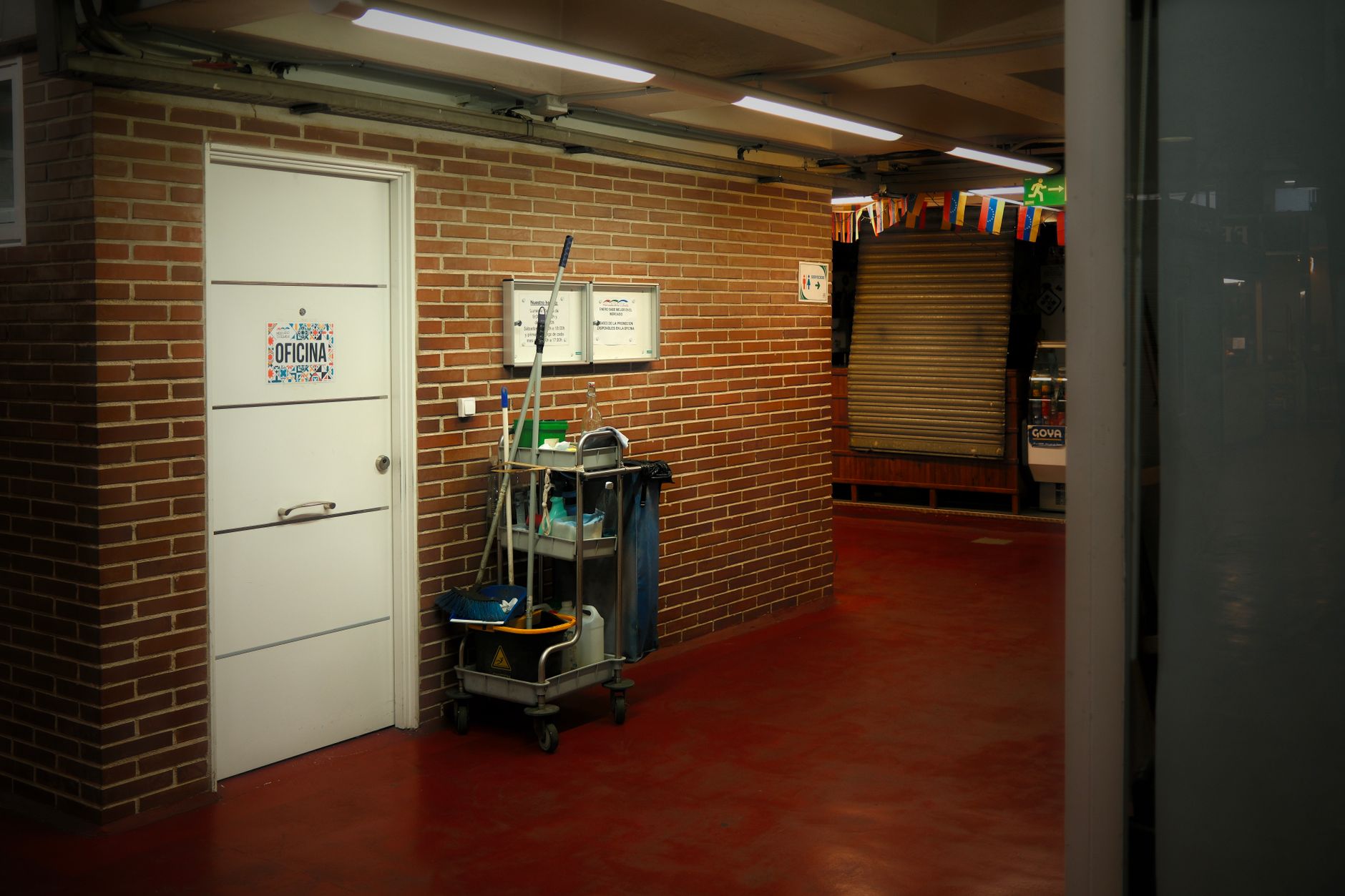
On a representative day, one building logged about 4 hours and 17 minutes of autonomous scrubbing covering roughly 24,500 square feet. The other logged about 5 hours covering roughly 27,240 square feet. Leadership said those runs returned at least four hours per building for other tasks that day.
Across both buildings, the facilities director reported saving about 5.5 custodial hours per day on average when tracking data in the fleet app. Coordinators noted fewer visible scuffs on vinyl floors and more time for clinic-ready cleaning before students arrived.
The outcome is specific to two new science and health buildings, yet the pattern applies to any campus weighing school cleaning robot rental or purchase against chronic open-shift vacancies.
What campus operators can take from the pattern
Service Robot Co. is a full-service, OEM-neutral commercial robot integrator for US businesses. We help colleges compare autonomous scrubbers on fit for vinyl, terrazzo, and corridor layouts, then finance with monthly payment programs where that helps, and deploy with mapping, training, and nationwide service.
This study reflects a documented Ohio university deployment, not a Service Robot Co. customer. It still answers the question academic facilities leaders ask: when new square footage arrives faster than hiring, can measured scrubber hours buy back detail work before the first lecture?
Vendor-neutral selection matters because compact scrubbers differ in tank size, route editing, and reporting. One partner for pilot, lease or purchase, and on-site dispatch keeps the custodial story coherent across buildings.