a large urban US public school district serving about 90,000 students across more than 200 schools and 16 million square feet of facilities
How a Large Urban School District Recovered Nearly 35 Labor Hours a Day
See how a 200-school district returned nearly 35 daily labor hours with 23 autonomous scrubbers, logging 8,000+ runtime hours and 104M+ sq ft cleaned.
- 35 hrs
- Labor returned daily
- 23
- Autonomous scrubbers
- 8,000+
- Runtime hours
- 104M+
- Sq ft scrubbed
Based on a documented real-world deployment. Figures are from public reporting; the organization is not named.
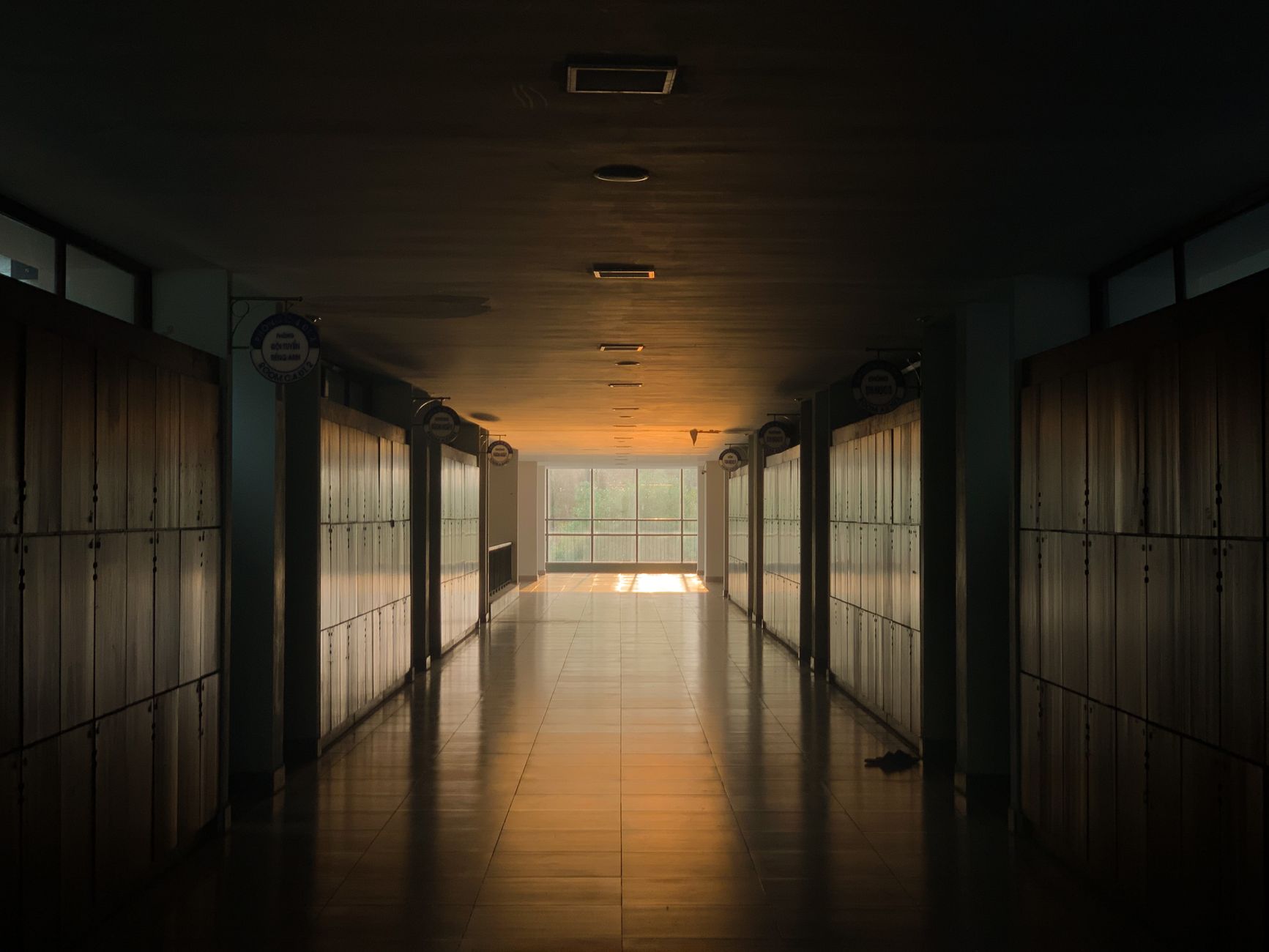
Vacant custodial lines and sixteen million square feet of tile
This urban district operates more than 200 schools for about 90,000 students, plus administrative buildings, with more than sixteen million square feet that must stay presentable for classes, athletics, and community events.
Maintenance leaders faced chronic hiring gaps and higher cleanliness expectations after the pandemic. Ride-on scrubbers still needed an operator on every shift, which left little time for detail work in cafeterias, locker rooms, and corridors between periods.
Leadership wanted measurable coverage without pretending robots could replace every custodial touch. They needed a phased plan that kept students safe, respected tight budgets, and gave existing staff a reason to stay.
- Large vacancy rates in custodial and maintenance roles
- Hallways, gyms, and cafeterias demanding nightly scrubbing
- Limited bandwidth for wall washing and periodic deep cleans
Phased scrubber rollout across high traffic floors
Between 2021 and 2024 the district introduced 23 autonomous floor scrubbers sized for wide corridors and lunchrooms. The first wave landed in late 2021, expanded in 2022, and added specialized units in 2024 for tighter layouts.
Each building mapped routes for hallways, gyms, and cafeterias, then trained custodians to stage water, start autonomous cycles, and review coverage logs. Supervisors treated the machines like managed assets rather than one-off experiments.
Staff shifted from riding scrubbers for entire shifts to supervising robots, emptying tanks, and tackling detail cleaning while the autonomous pass ran its roughly ninety minute cycle.
- Piloted autonomous scrubbers in the largest buildings first
- Mapped repeatable routes for corridors and cafeterias
- Trained custodians to supervise cycles and read coverage data
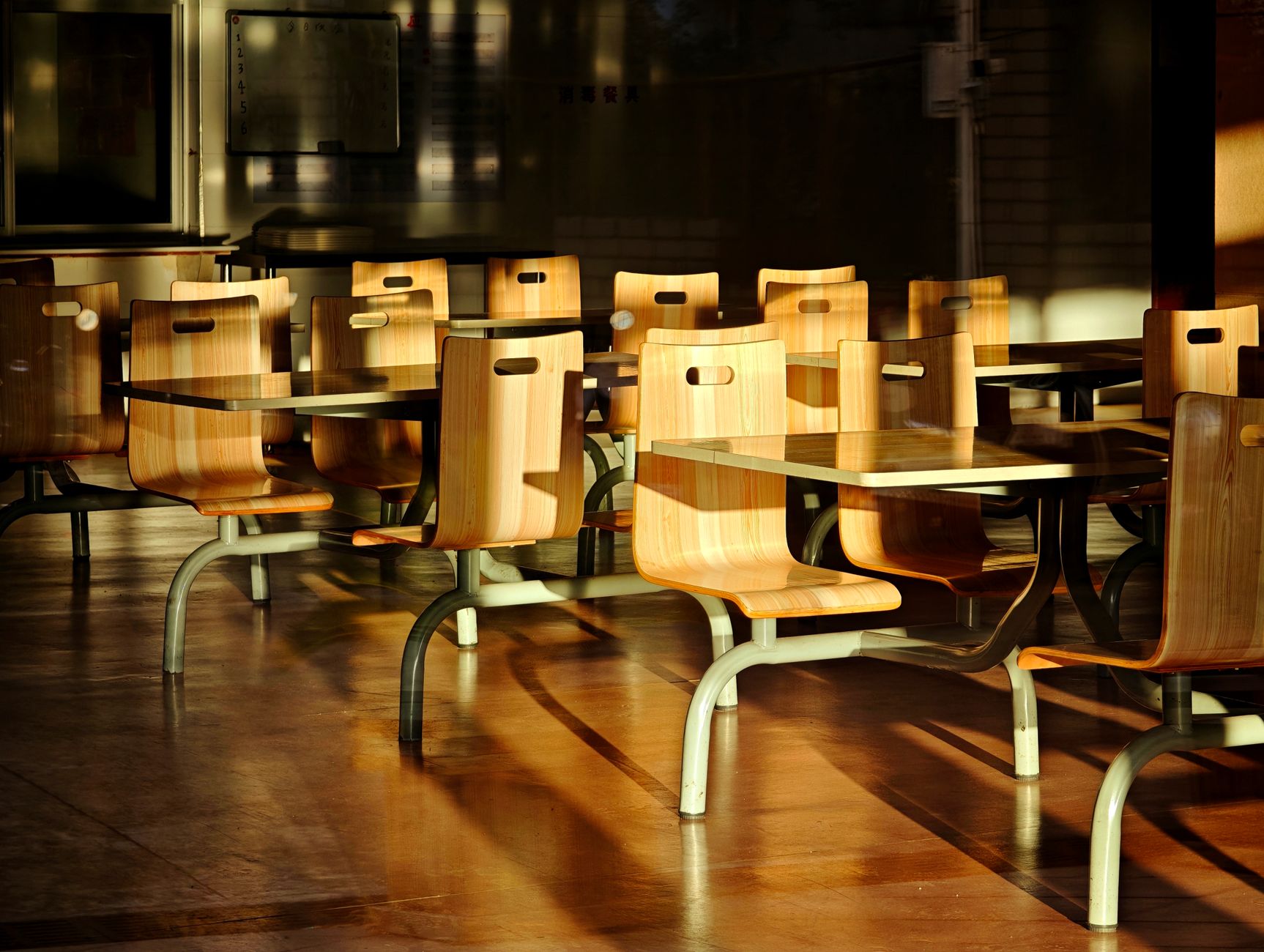
Documented runtime, coverage, and returned labor hours
The fleet now averages about ninety minutes of autonomous cleaning per unit each day. Across 23 scrubbers that equates to nearly thirty five labor hours returned daily that would otherwise have been spent behind a manual or ride-on machine.
During a typical ninety minute cycle each unit scrubs nearly twenty one thousand square feet. Cumulative logs show more than eight thousand autonomous runtime hours and more than one hundred four million square feet scrubbed since deployment began.
Custodial teams report higher morale because they can finish trash, sweeping, and detail tasks while robots handle the long scrub loops. Leadership expanded purchases after the first fourteen units proved stable daily usage.
What K-12 operators should look for in school cleaning robot rental
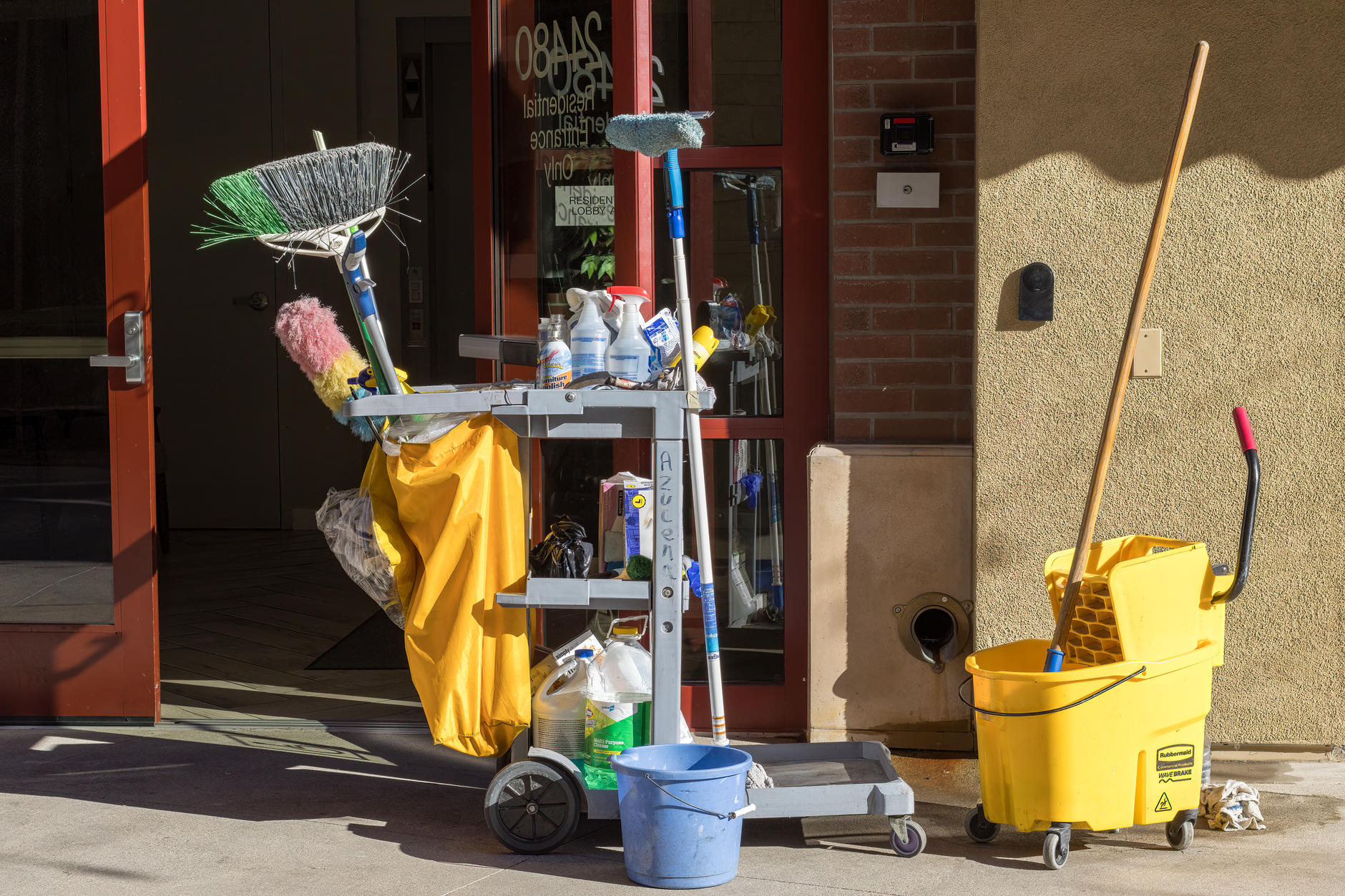
This story describes a documented public district program, not a Service Robot Co. customer. It still shows why education leaders evaluate campus cleaning robot rental and commercial cleaning robot rental when vacancies outpace hiring.
Service Robot Co. is a vendor neutral integrator. We match autonomous scrubbers to corridor width, gym layouts, and after hours access, then handle robot rental monthly options, mapping, training, and nationwide maintenance included service.
A phased school pilot can return full shift scrub hours to custodians while producing the runtime logs auditors and school boards expect.