
a large US city's municipal fleet and grounds pilot
A Municipal Fleet Pilot Logs 53 Mowing Hours and About 80 Acres of Public Turf
A municipal fleet's autonomous mower pilot logged 53 mowing hours over three months across about 80 acres of public turf. What it means for contractors.
Deployment at a glance
- 53 hours
- of autonomous mowing logged during the pilot
- 3 months
- length of the trial on active public parks and ballfields
- About 80
- acres of public turf mowed during the pilot
- First
- robotics project for the city fleet unit
Based on a documented real-world deployment. Figures are from public reporting; the organization is not named.
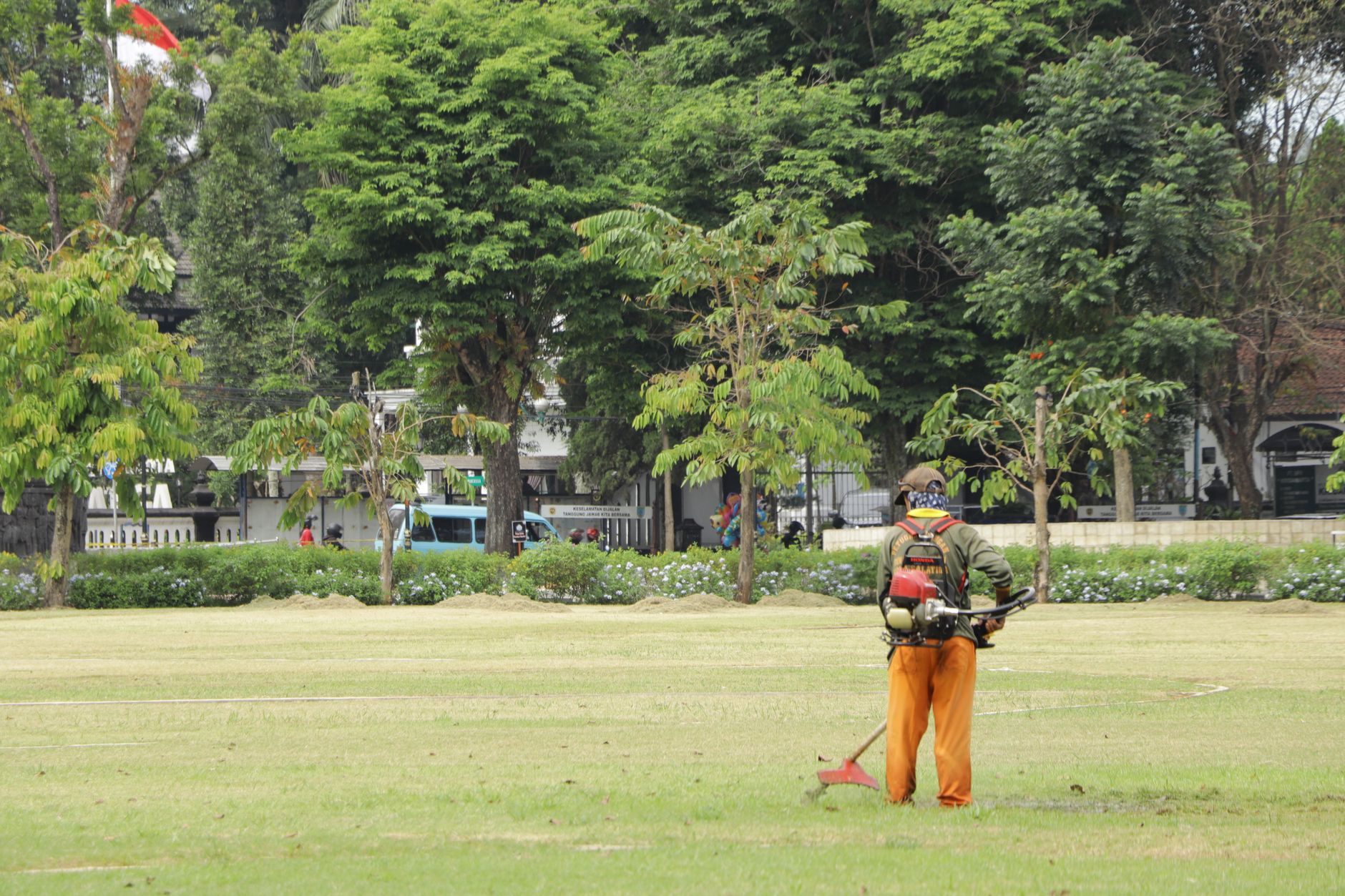
Large public turf with a long mowing list
Municipal grounds work rarely stops at one park. Ballfields, open lawns and shared green spaces all need regular cutting, and each one competes for the same crew hours as leaf work, weeding and the finer tasks that keep public land looking cared for.
Repetitive mowing of large, open areas can absorb many of those hours without needing much judgment from the person pushing the mower. The open question for a city fleet and grounds team was whether an autonomous mower could carry that load on active sites, where games, events and residents share the same ground.
- Routine mowing of large, open lawn areas
- Leaf pile mulching in busy parks
- Smaller plots, uneven terrain and beautification that still need people
Three months on active public sites
The pilot paired a commercial grade mower with autonomous guidance software and put it to work on active public parks and ballfields. Partner agencies and a park conservancy worked alongside the fleet unit, which treated the effort as its first robotics project.
The mower handled routine mowing across large areas and mulched leaf piles, a task the team found effective. Running on working sites instead of a test field meant every logged hour reflected real public use.
- Equipment: a commercial grade mower with autonomous guidance software
- Sites: active public parks and ballfields
- Tasks: routine mowing of large areas and mulching of leaf piles
- Duration: three months of logged operation

Hours and acreage across three months
Over three months the pilot logged 53 mowing hours and covered about 80 acres of public turf. Those two totals are the core measured outcome, and together they show how much ground a single unit can work through in the hours it is scheduled.
Mulching leaf piles also proved effective, which widens the mower's role beyond plain mowing and into the seasonal cleanup that crews often juggle.
The pilot pointed toward a wider future. Autonomous mowers could eventually take on large, repetitive lawn areas, freeing staff for smaller plots, uneven terrain, weeding and beautification, work that still calls for a person's eye.
What this means for contractors and grounds teams
Municipal grounds work is bid on hours, acres and reliability. This pilot gives contractors a documented reference for how much public turf an autonomous mower can cover on active sites, a useful starting point rather than a promise for any particular job.
Service Robot Co. is a full service, OEM neutral commercial robot integrator for US businesses. We select the right robot across manufacturers, then arrange financing, deploy, integrate and train, and our nationwide US engineer network services every unit from start to finish. This study describes a public agency's pilot, not work we performed for it.
Robots reach customers through lease only. Commercial robot leasing runs through financing on a three year lease, with a fixed lease payment quoted after a site assessment. A robot pilot program on one site is a sensible way to test fit before any wider rollout, and robot lease options are easier to compare once the grounds have been measured.
Frequently asked questions
Want a robot working for you?
Tell us the job and the site. We will recommend the robot, quote the lease, and keep it serviced.