
a large US city's municipal fleet running a supervised pilot on public turf
A Large US City Runs a Supervised Robotic Mower for 53 Hours on Public Turf
A large US city's fleet ran a commercial autonomous guidance mower under staff supervision for three months, logging 53 hours over about 80 acres.
Deployment at a glance
- 53
- Total mowing hours logged during the pilot
- 80
- Acres of parks and ballfields covered, roughly
- 3 months
- Length of the supervised run on active public turf
- 1st
- Robotics project for the fleet
Based on a documented real-world deployment. Figures are from public reporting; the organization is not named.
Public turf asks a lot of every crew hour
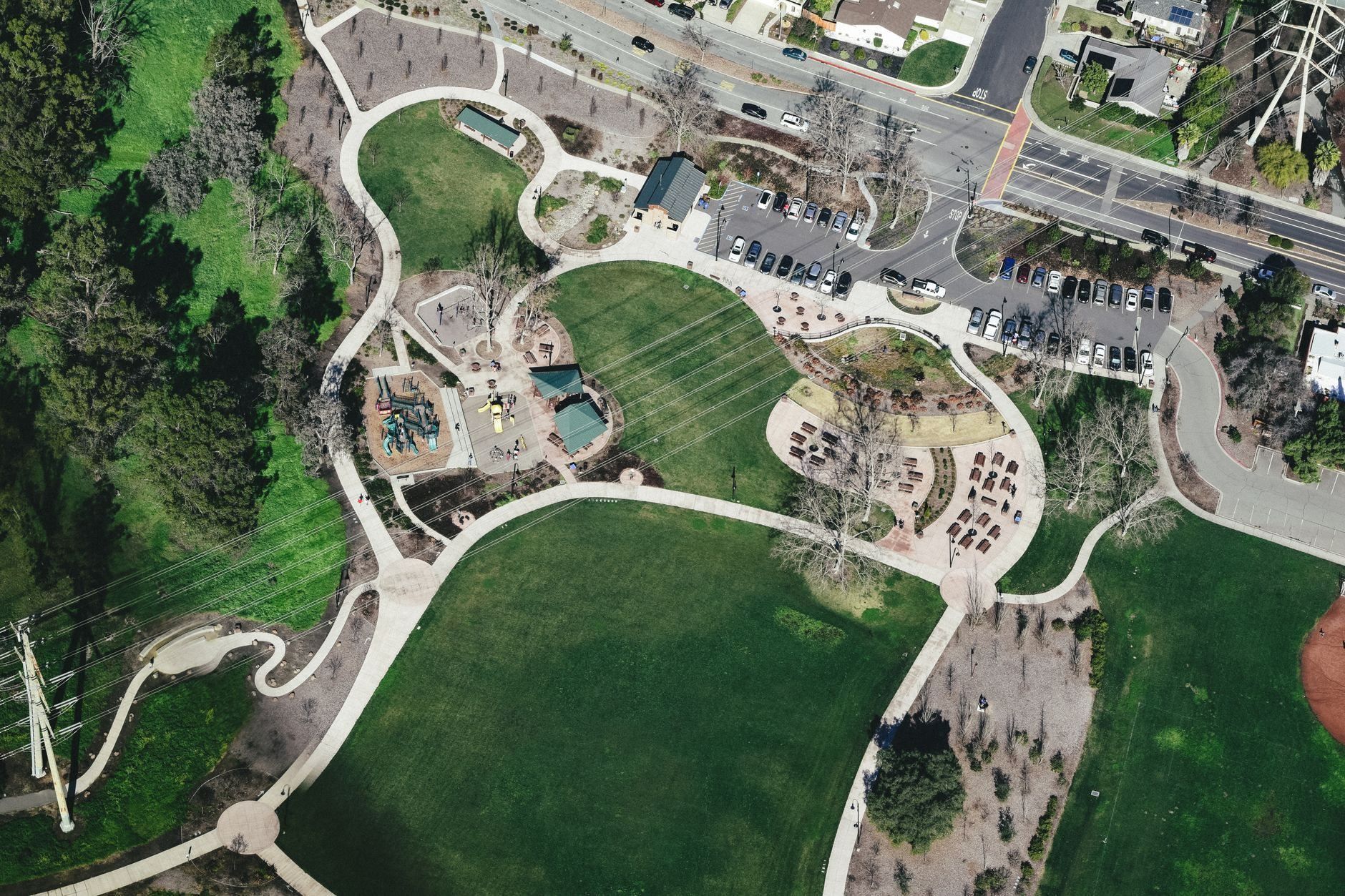
Parks, ballfields and grounds around public buildings need cutting through the growing season, and they get judged on how they look on the day someone walks in. Mowing pulls crews across a large footprint, and those same people are usually needed for edging, leaf work and the many small jobs that keep a site presentable.
A fleet weighing autonomous guidance has a specific worry. Public turf is shared, busy and unpredictable, so any new machine has to earn trust on real ground before anyone lets it run with less watching. A demo lot tells a crew lead little about a ballfield on a busy weekend.
The fleet chose a supervised trial over a sudden switch. The pilot ran for three months on active public parks and ballfields, described as the first extended test of this technology on that kind of ground.
- Active parks and ballfields with public use
- Leaf piles to clear alongside turf that needs regular cutting
- Staff supervision throughout the three month trial
A supervised pilot on live public ground
The equipment was a commercial grade mower with autonomous guidance. The robot supplier's unit went onto working parks and ballfields rather than a test lot, under staff supervision for the full three months.
Supervision was the working model, and it shaped how the trial ran. Staff stayed in the loop from start to finish, which gave the crew a close view of how the machine behaved on turf people actually use. That closeness is the point of a supervised pilot.
The trial also reached beyond straight mowing. The unit was effective at mulching leaf piles in a city park, so the pilot tested a second kind of job on the same ground.
- Start with one commercial grade autonomous guidance mower
- Run it on active parks and ballfields rather than a test lot
- Keep staff supervision in place for the full three months
- Log running hours and acres covered
- Point the same unit at leaf piles as well as turf
What three months on public turf produced
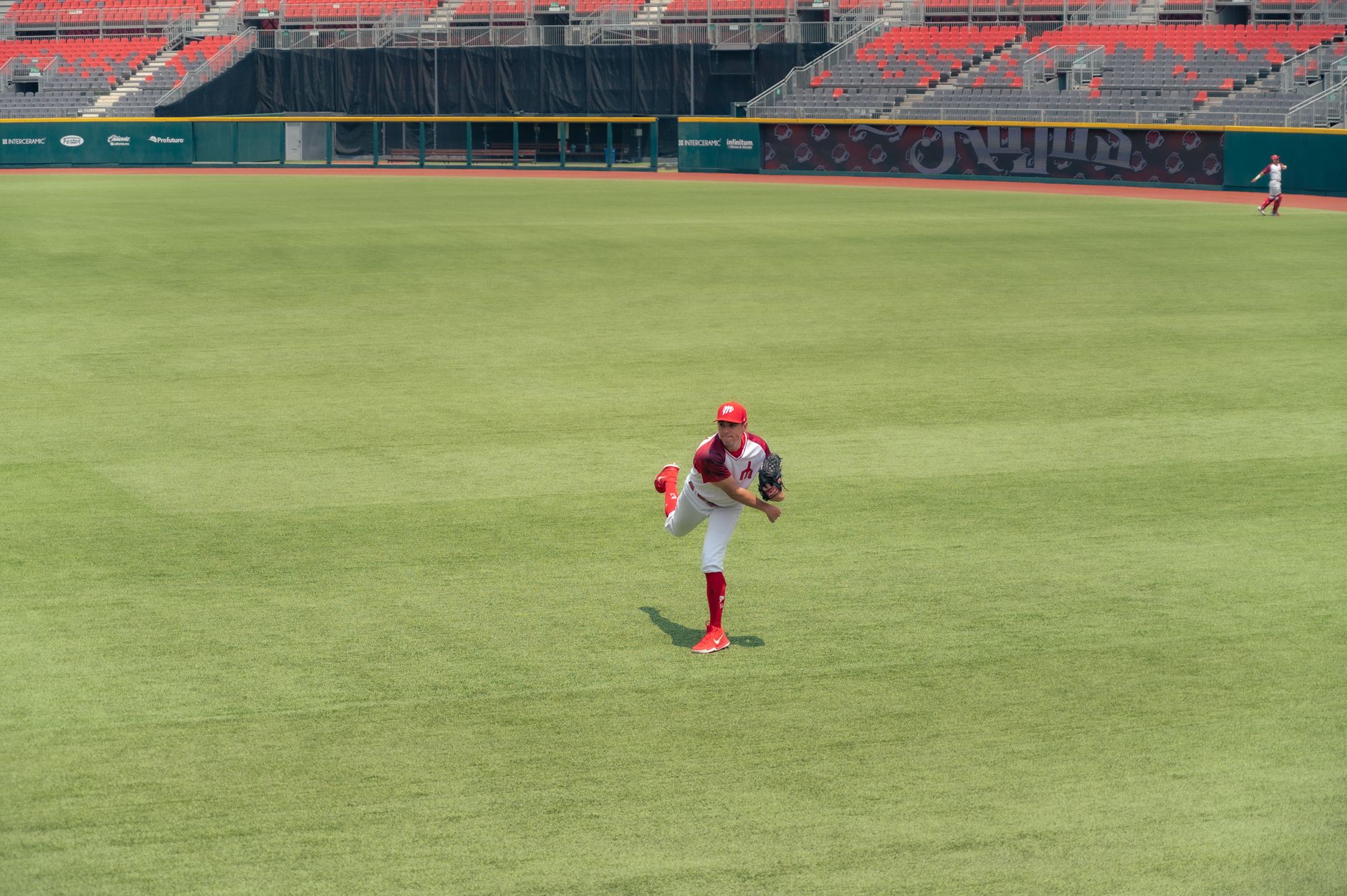
Across the three months the mower logged 53 total mowing hours and covered roughly 80 acres of public grounds. Those two measures carry the outcome, and they describe a supervised trial on working parks and ballfields rather than a showcase lot.
For a crew lead the practical read is simple. The machine ran for 53 hours, covered roughly 80 acres, and did so with staff present on public ground from start to finish.
The unit's work was not limited to straight mowing. It was effective at mulching leaf piles in a city park, a job that stretches a mower's role on the same grounds.
Where supervised robotic mowing fits a fleet plan

A pilot like this shows what a crew gains by testing before it commits. Service Robot Co. is a full service, OEM neutral commercial robot integrator for US businesses. We select the right robots across manufacturers, then finance, deploy, integrate, train and service every unit through a nationwide US engineer network, so one partner, one number covers the whole lifecycle. The fleet in this study is not a Service Robot Co. client.
Customers get a robot through our lease. Our commercial robot leasing runs on a three year lease with a fixed robot lease payment, quoted after a site assessment that maps the grounds and the layout before any machine reaches the ground. Start with one leased unit, run a phased deployment, and widen the fleet once the crew has seen the machine work its grounds.
Training and service carry as much weight as the machine itself. Our engineers handle robot deployment and integration, go live support and on site dispatch, with remote triage at the first call and a commercial robot repair service through the same network.
Frequently asked questions
Want a robot working for you?
Tell us the job and the site. We will recommend the robot, quote the lease, and keep it serviced.