
a Texas machine shop operating legacy production equipment
Legacy Machine Shop Raises Profit 60% on One Cobot Job
See how a Texas machine shop connected cobots to legacy equipment, lifted spindle uptime, and reported a 60% profit increase on an automated job.
- 60%
- Profit increase on the job
- 8 to 20 hrs
- Daily spindle uptime
- Nearly 2.5mo
- Earlier job delivery
- 4 months
- Reported payback
Based on a documented real-world deployment. Figures are from public reporting; the organization is not named.
Idle Spindles and an Interface Gap
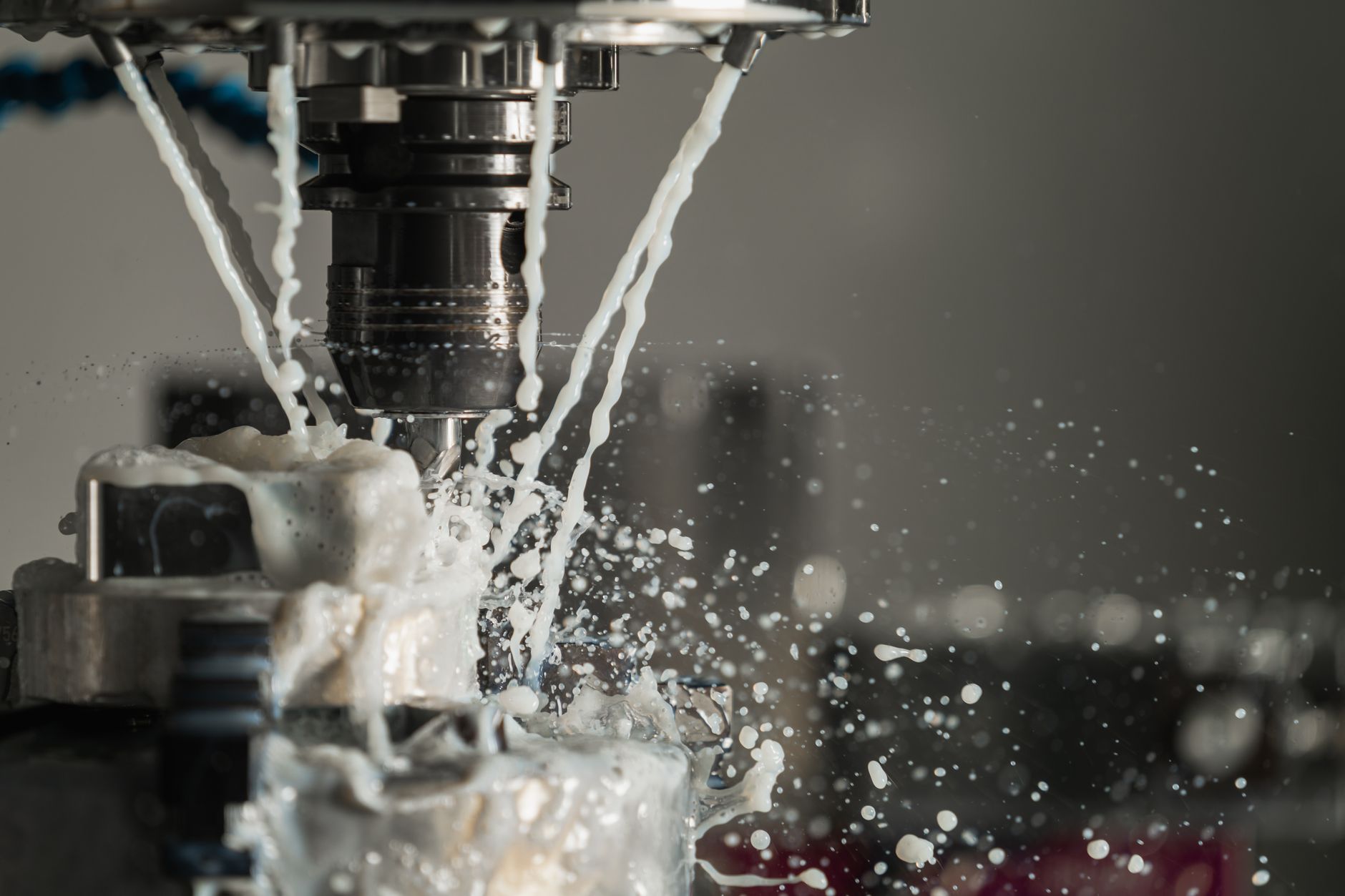
A Texas machine shop operating legacy production equipment had capable machinery sitting idle because available labor could not cover the full production window. After 5 p.m., only half of its machines were running, limiting the work the shop could accept and deliver on schedule.
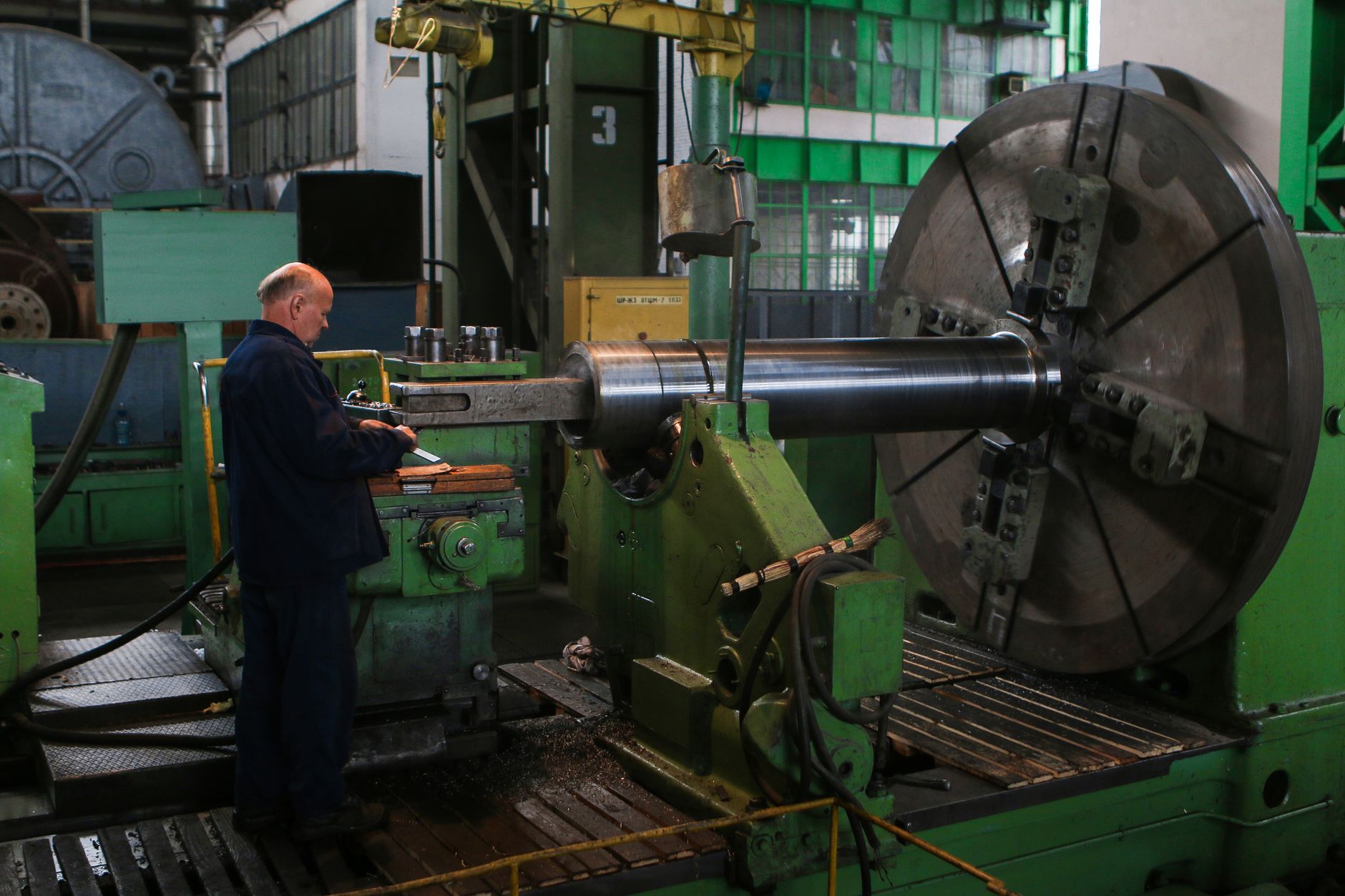
Conventional industrial automation was a poor fit. The older machines lacked direct robot interfaces, and traditional cells would have consumed scarce floor space while tying expensive equipment to a narrow assignment.
The shop needed more than a machine tending robot. It wanted multipurpose cobots that could move among production and finishing work while connecting cleanly with equipment never designed for modern automation.
- Extend productive machine time beyond staffed hours
- Connect automation to legacy controllers and shop equipment
- Preserve floor space and task flexibility
- Reduce uneven results in manual sanding and deburring
- Give operators practical control of programming and operation
A Practical Path Into Cobot Automation
The shop began with a commercial robot demo and confirmed that collaborative equipment could communicate through its older machine controllers. An open integration architecture and common industrial protocols gave the team a workable bridge between modern cobots and legacy assets.
The first deployment placed a cobot on a CNC assignment that staffing constraints had made difficult to complete promptly. The rollout then expanded to five installations in five months, covering six operations: CNC machine tending, sanding, deburring, part inspection, laser marking and wire EDM tending.
Compatible grippers, tool changers, force sensing and other peripherals were selected around each process. Operators completed free online training, then assumed responsibility for programming and running the cobots. The published account does not describe a maintenance contract or quantify service performance, so none is attributed here.
- Demonstrate controller compatibility on the actual legacy equipment
- Start with a constrained CNC job where added machine time has clear value
- Match tooling and sensing to each process
- Expand through phased deployment as applications prove workable
- Train operators to program, supervise and redeploy the equipment
More Spindle Time, Earlier Delivery, Higher Profit
The headline result belongs to a specific automated job, not the entire company. That job had been scheduled for four to five months of machine time under existing staffing, but the added production hours helped the shop deliver it nearly two and a half months early. The shop reported a 60% profit increase on that job alone and payback of about four months.
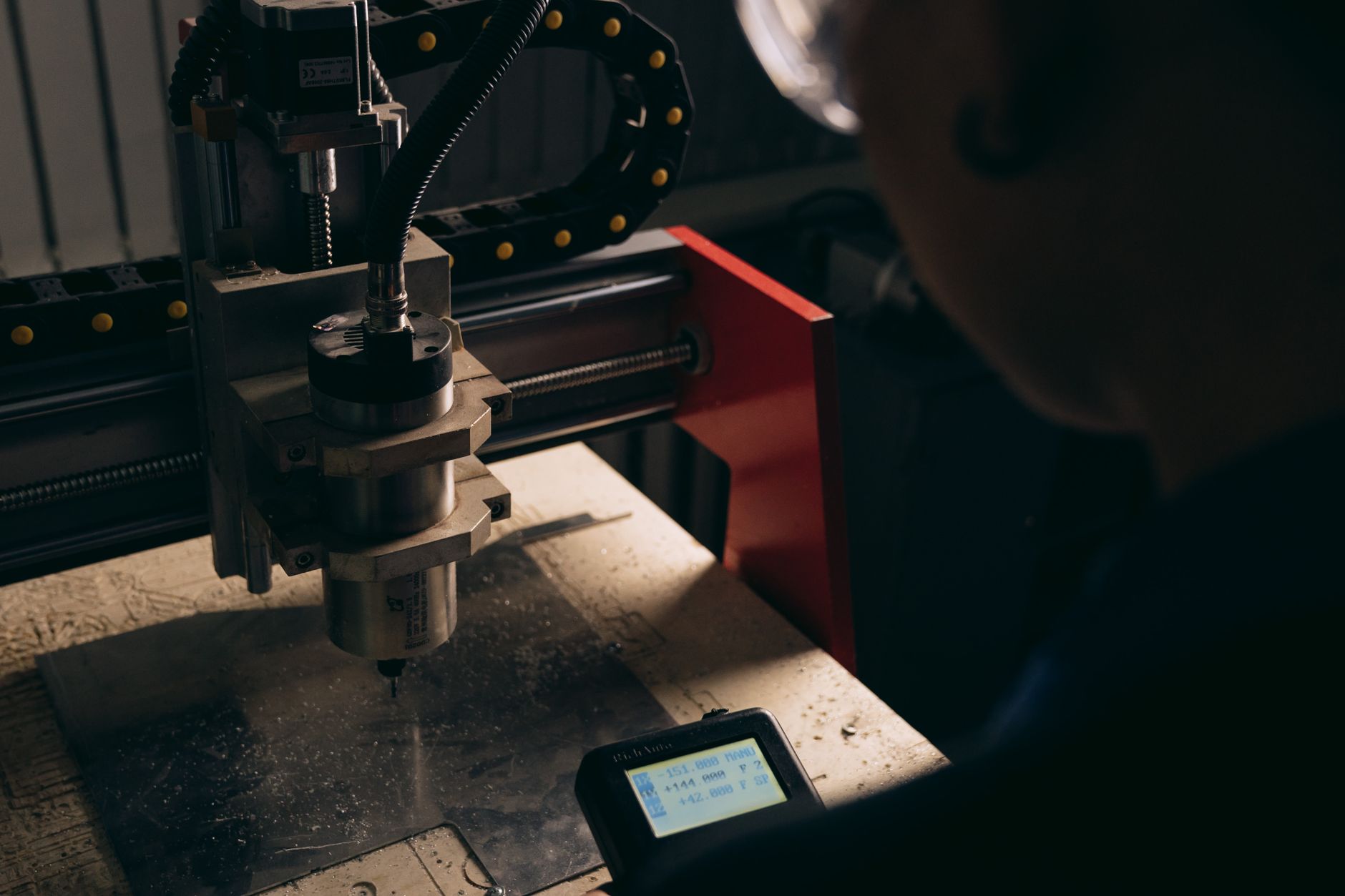
Daily spindle uptime rose from about eight hours to about 20 effective hours as the cobots supported lights-out production. That gain addressed the original constraint directly: valuable equipment could continue cutting after the thin evening shift had previously left machines idle.
The benefits extended beyond tending. The documented 50-micron cobot accuracy supported precise insertion at CNC and laser-marking equipment, while automated sanding produced straighter, more consistent tool marks. Operators were released from tedious manual sanding and took on cobot programming and operation instead.
What This Example Means for Service Robot Co. Customers
Service Robot Co. did not perform this documented deployment. We analyze it because it shows why legacy equipment should not be dismissed as unfit for automation. The decisive work lies in matching the robot, interface, tooling, process and operating model to the floor that already exists.
Service Robot Co. is a full-service, OEM-neutral commercial robot integrator for US businesses. As a vendor neutral robot integrator, we select equipment across manufacturers, arrange financing, handle robot deployment and integration, train the operating team and service every unit through a nationwide US engineer network. A single accountable vendor stays with the project across its lifecycle.
For a machine shop, that may begin with a free site assessment, a commercial robot pilot program or a collaborative robot arm lease evaluation. We can compare cobot leasing for manufacturing, robot leasing for business and purchase financing without forcing the process around a favored brand. The goal is a robot that fits your floor, backed by training and a robot maintenance service plan.