a national office-supplies retailer operating a 140,000-square-foot Vancouver fulfillment center
How a Legacy Retail Fulfillment Center Nearly Doubled Pick Rates With AMRs
See how a 140,000-square-foot Vancouver fulfillment site replaced a rigid conveyor with warehouse AMRs, lifting picks from 42 to 82 UPH and cutting cycle time 70%.
- 82 UPH
- Peak pick rate
- 42 UPH
- Prior baseline
- 70%
- Cycle time drop
- 140K sf
- Building size
Based on a documented real-world deployment. Figures are from public reporting; the organization is not named.
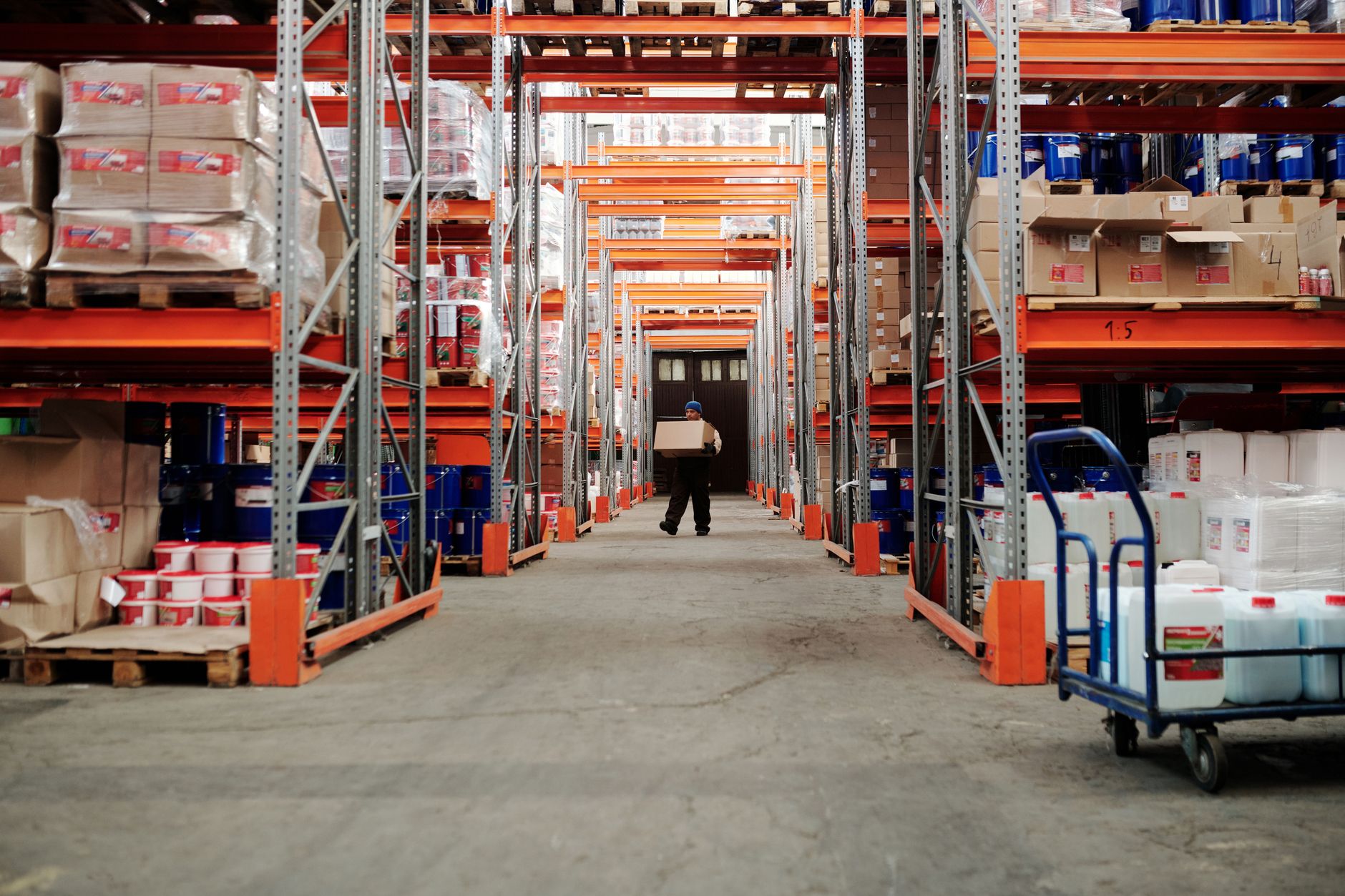
A conveyor built for another era
The fulfillment center had served the business for decades, but its three mile single drive shaft conveyor was costly to maintain and built for bulk movement rather than fast changing e-commerce waves.
Omnichannel demand made that rigidity painful. Peaks like back to school needed more pick capacity without a full building shutdown or a capital heavy rebuild.
Leadership wanted repeatable pick rates, shorter order cycles, and labor plans that did not depend on endless overtime when forecasts swung.
AMRs on the existing floor plan
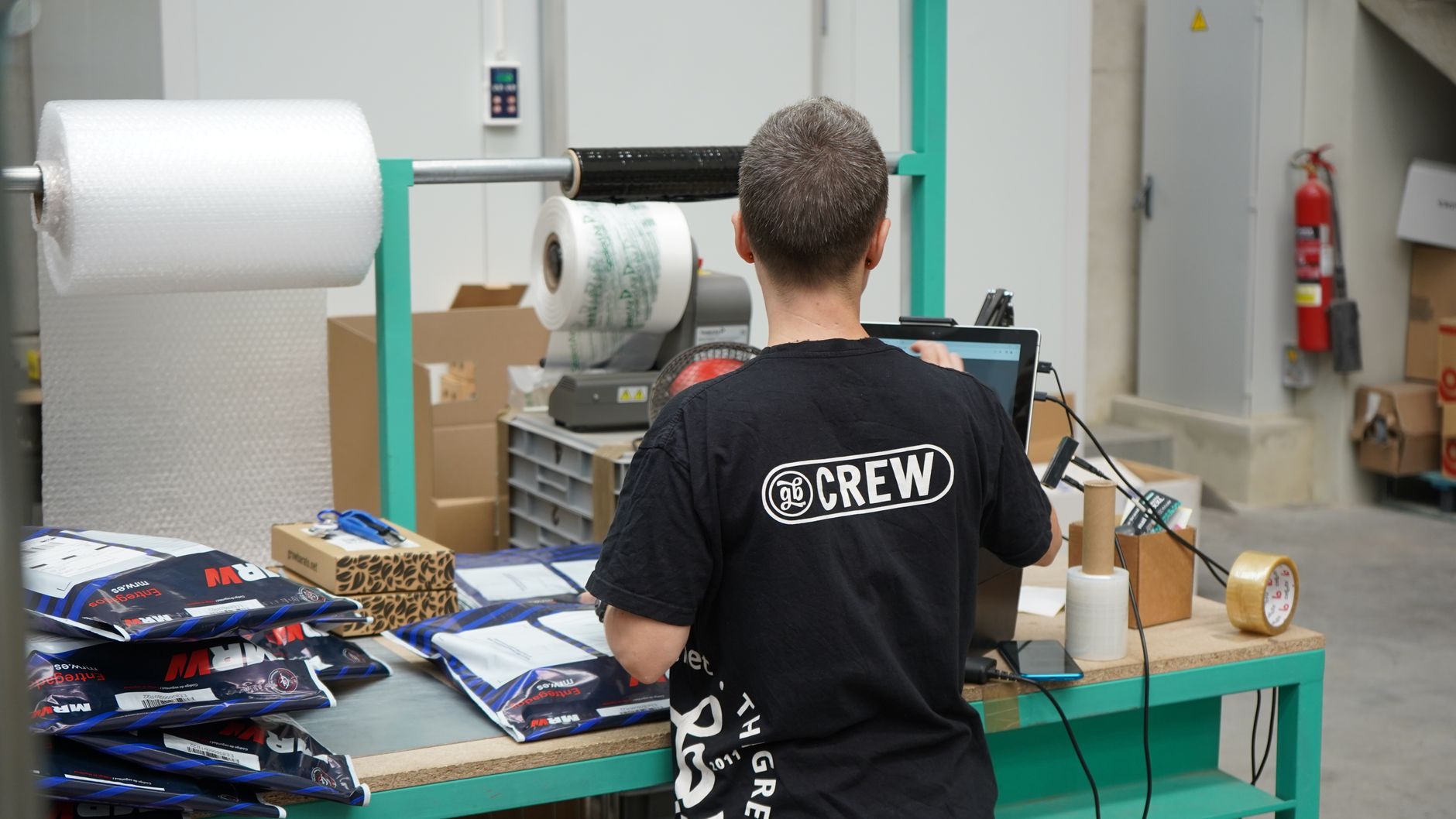
Rather than tear out the old line, the operator introduced autonomous mobile robots that shared the same aisles and workstations associates already used.
Robots synchronized with the warehouse management system in real time, learning traffic patterns while pickers stayed at value added tasks.
A robots as a service style model let the site add units for seasonal surges and scale back when volume normalized, avoiding a large upfront buy.
- Map pick paths and congestion points in the 140,000 square foot building
- Integrate robot tasks with the live warehouse system
- Train associates on robot assisted picking workflows
- Scale fleet size up for back to school and down after peak
Measured pick and cycle gains
Within weeks leadership reported pick productivity rising from 42 units per hour to 82 units per hour, nearly doubling throughput on the same footprint.
Order cycle time fell about 70 percent, so more orders cleared the building within standard shift windows.
Overtime dropped as teams finished daily targets on time while still meeting full output during the busiest weeks.
What US fulfillment leaders can take from it
This documented deployment is not a Service Robot Co. client story. It shows how warehouse robot rental and phased AMR fleet deployment can modernize pick paths without freezing the building.
Service Robot Co. is a vendor neutral robot integrator for warehouses and distribution centers. We select autonomous mobile robots that fit your slotting and WMS, finance units monthly, and service them through a nationwide network of regional service engineers.
A free site assessment and robot pilot program help you prove pick rates on your real SKUs before peak season, with maintenance included on month to month leases when that model fits.