a life plan community dining operation in Southwest Florida
How a Life Plan Community Saved 330 Weekly Dining Hours With Service Robots
A Southwest Florida life plan community used three dining robots for plate runs and saved 330 weekly front-of-house hours, then raised dining staff pay.
- 330 hrs
- Saved weekly
- 3
- Dining robots
- 40-50%
- Pay raises funded
- FOH
- Culinary staffing
Based on a documented real-world deployment. Figures are from public reporting; the organization is not named.

Dining labor pressure in senior living
A life plan community dining operation in Southwest Florida faced the same workforce squeeze many operators see today. Residents still expect full-service dining, yet recruiting and retaining front-of-house culinary staff during peak meal periods kept getting harder.
Servers and runners spent large blocks of time carrying plates between the kitchen and the dining room. That walking pulled people away from resident engagement, table pacing, and the small hospitality touches that define the experience.
- Peak meal periods with thin staffing
- Repetitive plate runs between kitchen and dining room
- Need to keep experienced dining staff on the floor

Three robots on the dining floor
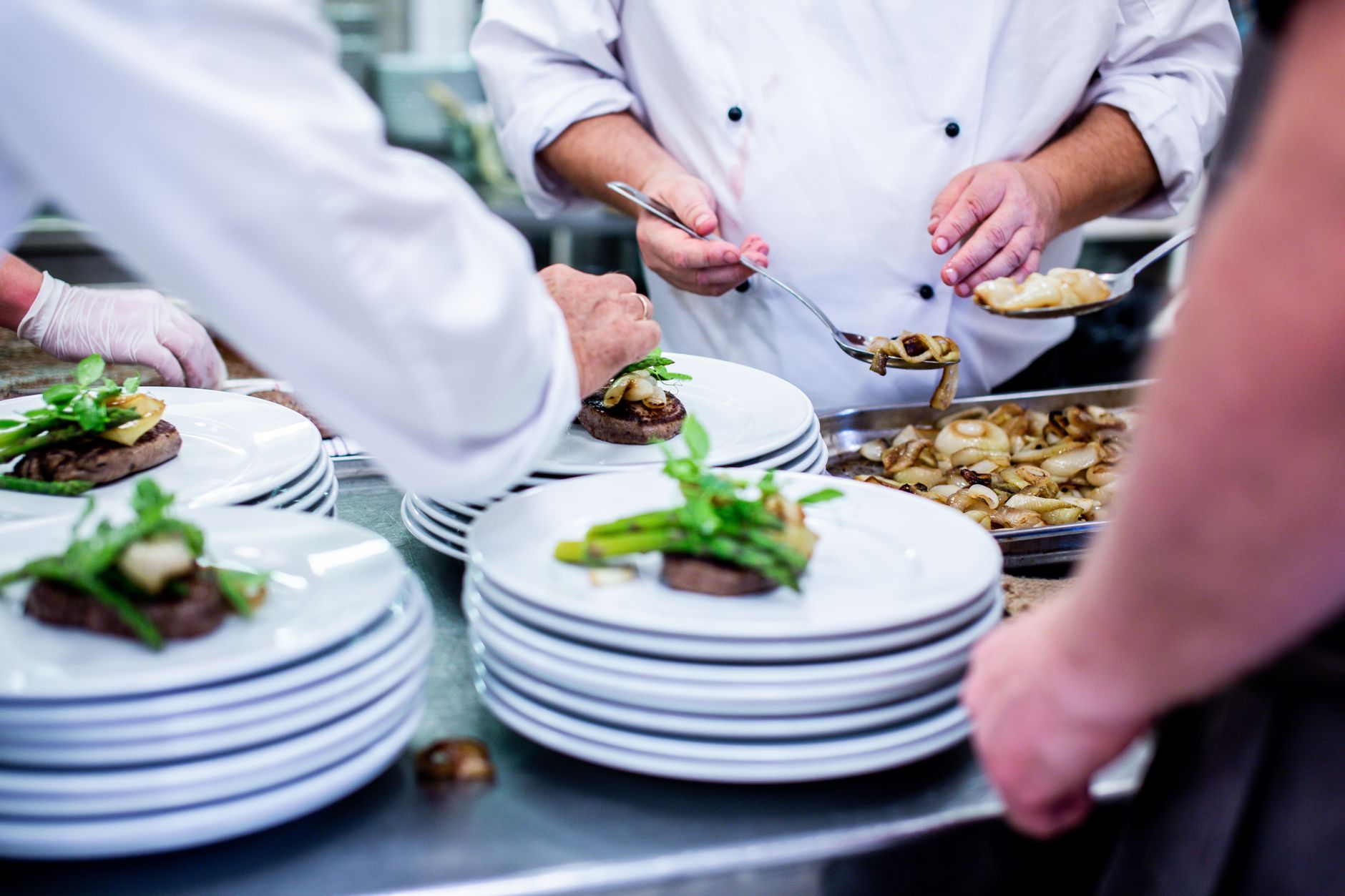
The community deployed three commercial dining service robots to move plates to and from the kitchen while human staff stayed with residents. The robots handled the predictable transport loops so people could focus on service at the tables.
Leadership treated the fleet as dining support during shortages, not a replacement for resident contact. Staff still owned exceptions, pacing, and the guest experience while the robots covered the heavy, repetitive runs.
- Three robots assigned to kitchen-to-dining plate transport
- Humans retained table service and resident engagement
- Deployment timed to ongoing workforce shortages
Documented time savings and staff investment
The community reports saving 330 hours per week on front-of-house culinary staffing tied to the robot-supported dining model. That is a full workweek of hours redirected away from plate running and back toward dining-room work.
Rather than treating those hours only as headcount reduction, leadership reinvested the savings into roughly 40 to 50 percent pay raises for nearly all affected dining staff positions. The operator has described the combination as a way to attract more experienced staff while keeping robots on the transport work.

What this means for US senior living operators
This deployment was documented in Florida and was not run by Service Robot Co. It still shows how meal delivery robots can reclaim hundreds of weekly hours in dining without abandoning full-service expectations.
Service Robot Co. helps US senior living and hospitality groups evaluate robot rental monthly or lease paths, map dining rooms and kitchen passes, and stand up pilots with training and nationwide service. A vendor-neutral integrator can match the right delivery robot to your floor plan before you commit capital.