a multi-shift life-safety manufacturing plant in Eastern Europe with five assembly lines and kanban handoffs
How a Life-Safety Plant Cut 37 Kilometers of Daily Walking With AMRs
A documented Eastern European life-safety plant replaced 37 to 40 km of daily pallet walking with four AMRs moving 100+ pallets across two shifts and 45 kanban lines.
- 4
- AMRs on the floor
- 100+
- pallets per day
- 37-40 km
- walking removed
- 2 shifts
- six-day schedule
Based on a documented real-world deployment. Figures are from public reporting; the organization is not named.
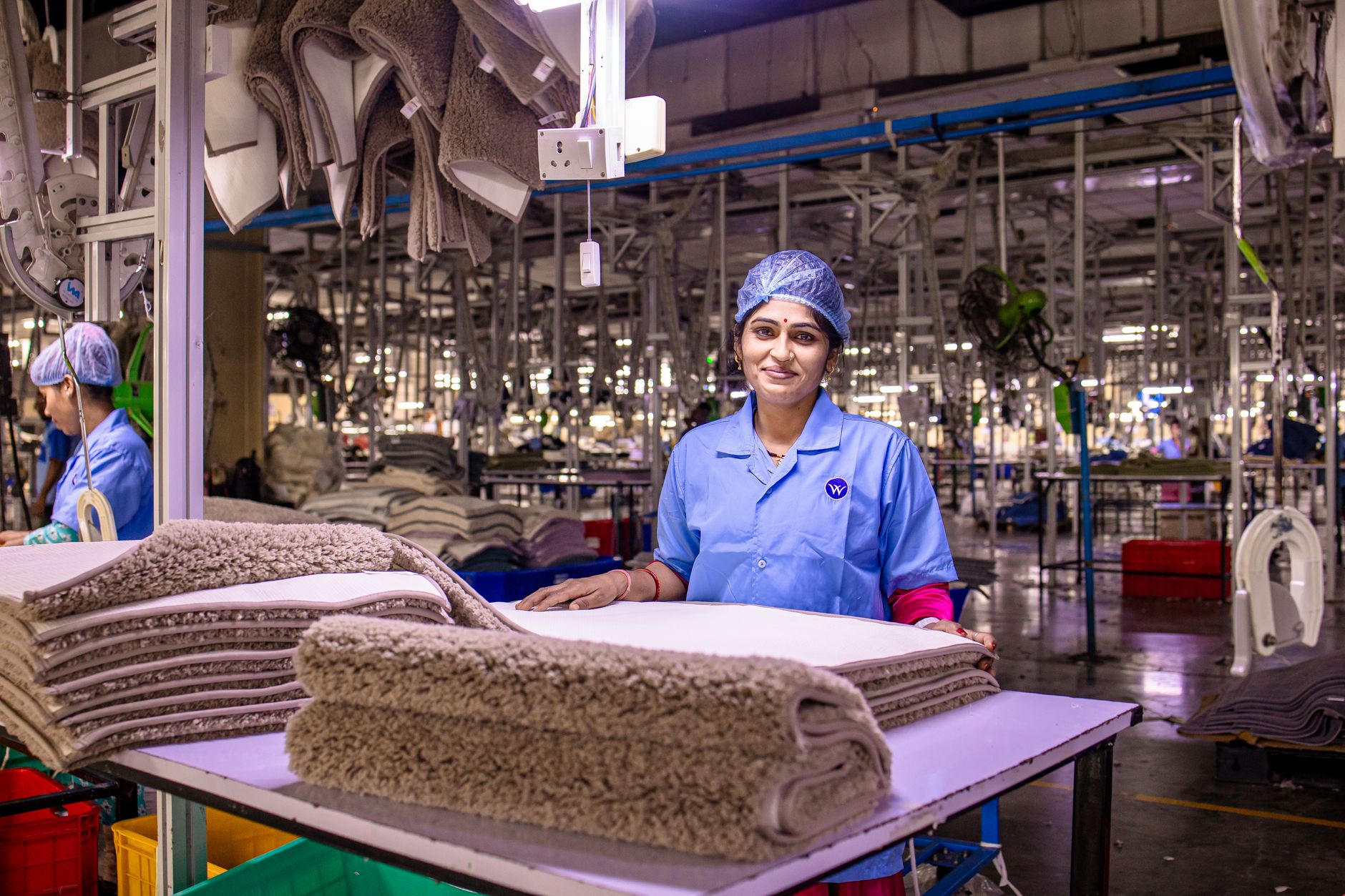
Pallet loops ate the shift
At a multi-shift life-safety manufacturing plant in Eastern Europe with five assembly lines and kanban handoffs, components and finished goods moved on a rhythm set by manual forklifts and foot traffic. Staffing was tight, and every hour spent shuttling pallets was an hour pulled away from assembly control and quality checks.
Documented intralogistics data showed people walking roughly 37 to 40 kilometers each day just to feed lines and collect finished product. Heavy pallets stacked more than one layer deep made the work physically demanding and hard to sustain across two shifts, six days a week.
- More than 100 pallet moves daily between warehouse and lines
- 45 production lines and kanban pickup points to serve
- Manual forklift traffic competing for aisle space
- Limited headcount for repetitive transport tasks
Four AMRs, no fixed rails
Leadership compared autonomous mobile robots against other transport options and chose a fleet that could run without installing rails or rebuilding aisles. Two medium-capacity units handle lighter line-feed missions while two heavy-duty units move full pallet stacks on longer loops.
Pick-up zones were standardized at docking alleys. Presence sensors on racks tell each robot whether a slot is empty before placing a load. Employees trigger missions with a simple RFID call button, and network coverage was upgraded so machines stay connected across the shop.
Training focused on mission selection and handoffs at the line, not on driving. Operators load totes or pallets, pick a mission, and let the unit announce arrival with an audible cue so line feeders can grab material and send the AMR back to charge.
- Phased rollout starting with line feed, then finished-goods collection
- RFID-triggered missions from the shop floor
- Docking stations with empty-slot detection
- On-site competency building while robots cover repetitive loops
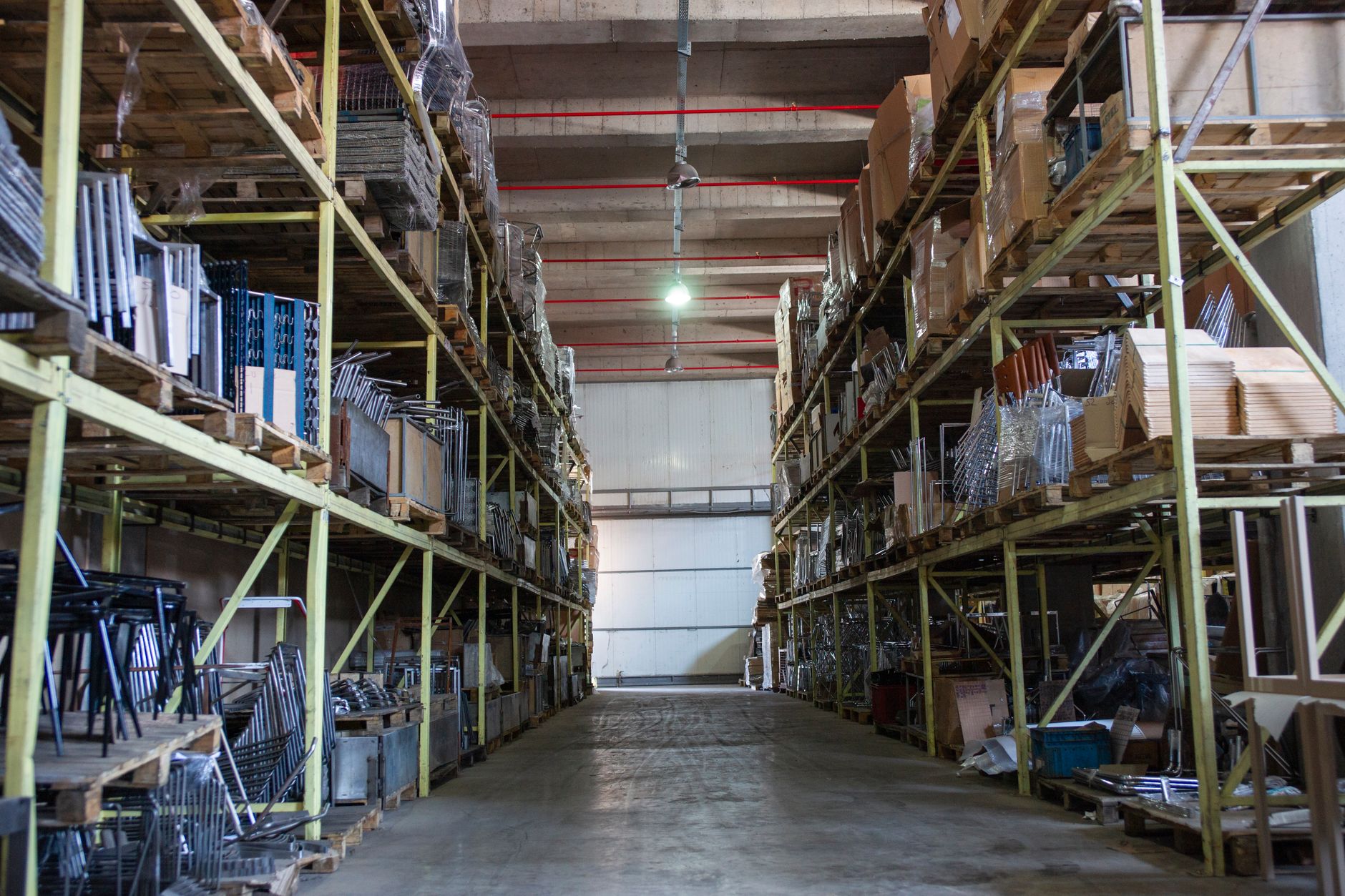
Kilometers shifted from people to AMRs
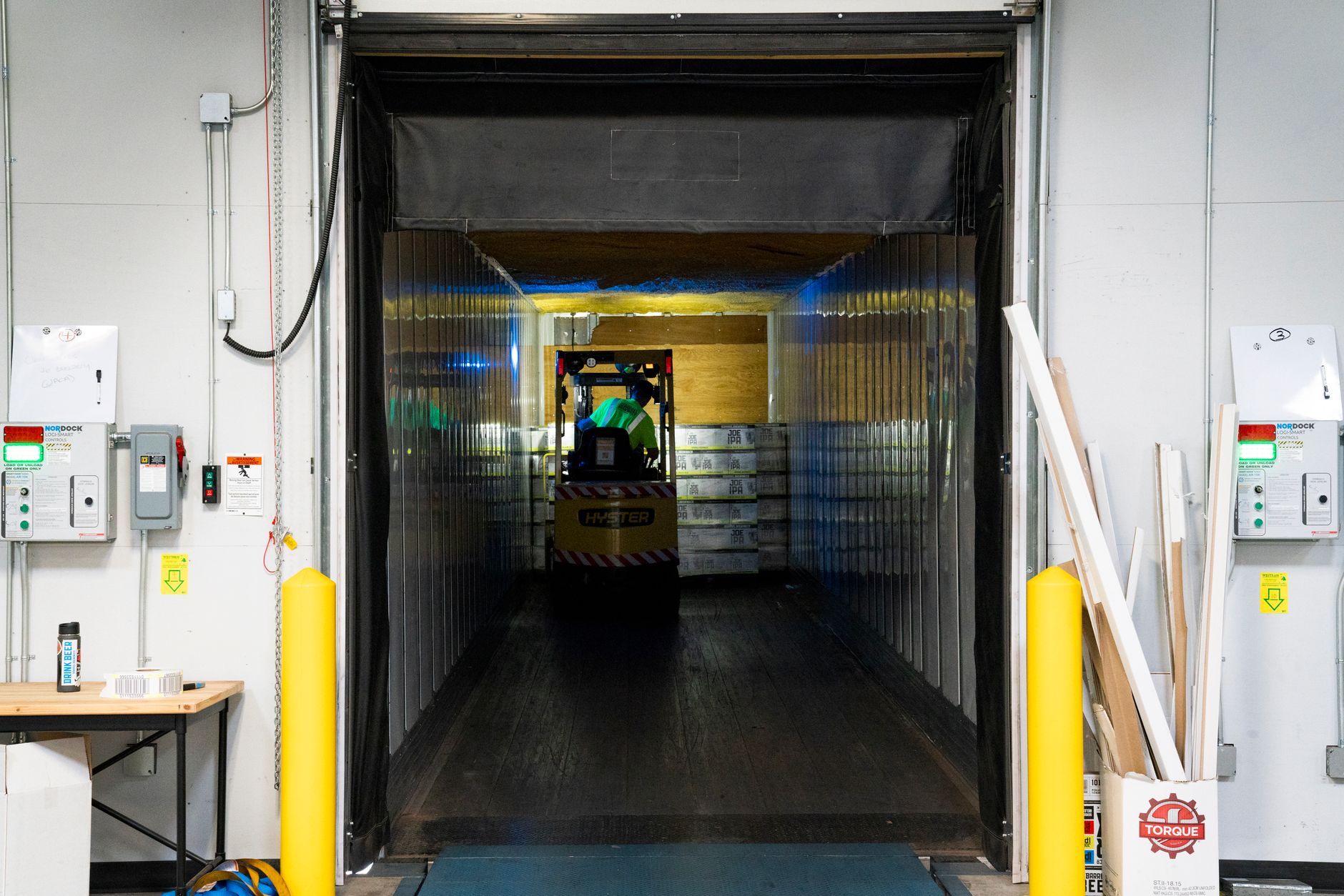
On a typical day the heavy-duty pair moves more than 100 pallets, traveling about 12 to 15 kilometers while covering 120 to 150 meters per mission. The medium units run close to 150 missions and about 25 kilometers. Together they replicate the 37 to 40 kilometers staff used to walk.
Workers report more time watching assembly quality and less time wrestling pallets. Operational efficiency rose because transport no longer waited on whoever was free to grab a forklift.
A fifth robot is planned for a new surface-mount technology area where temperature and humidity controls demand reliable, repeatable material delivery.
What U.S. plants can borrow from the pattern
The deployment is a documented real-world example, not a Service Robot Co. customer story. It still maps cleanly to American factories debating AMR rental for repetitive pallet loops where AGV rails are a non-starter.
Service Robot Co. is a full-service, OEM-neutral commercial robot integrator. We match payload, aisle geometry, and shift pattern to the right autonomous mobile robot, then handle financing, deployment, integration, training, and nationwide service through one partner. Month-to-month commercial robot rental and lease paths let you pilot line-feed automation before capital commits.
If your team walks kilometers between warehouse and assembly, a free site assessment can map kanban points, charging locations, and mission rules so you see how pallet transport robots would run on your floor.