a national forklift and material-handling parts distribution center in the Midwest United States
How a Lift-Truck Parts Hub Tripled Pick Rates With 28 Grid Robots
A Midwest forklift parts DC replaced RF pick-to-cart with a vertical grid and 28 robots, lifting presentations to 175 totes per port per hour from about 50.
- 175/hr
- totes per port
- 3x
- vs legacy pick
- 128K+
- storage locations
- 28
- grid robots
Based on a documented real-world deployment. Figures are from public reporting; the organization is not named.
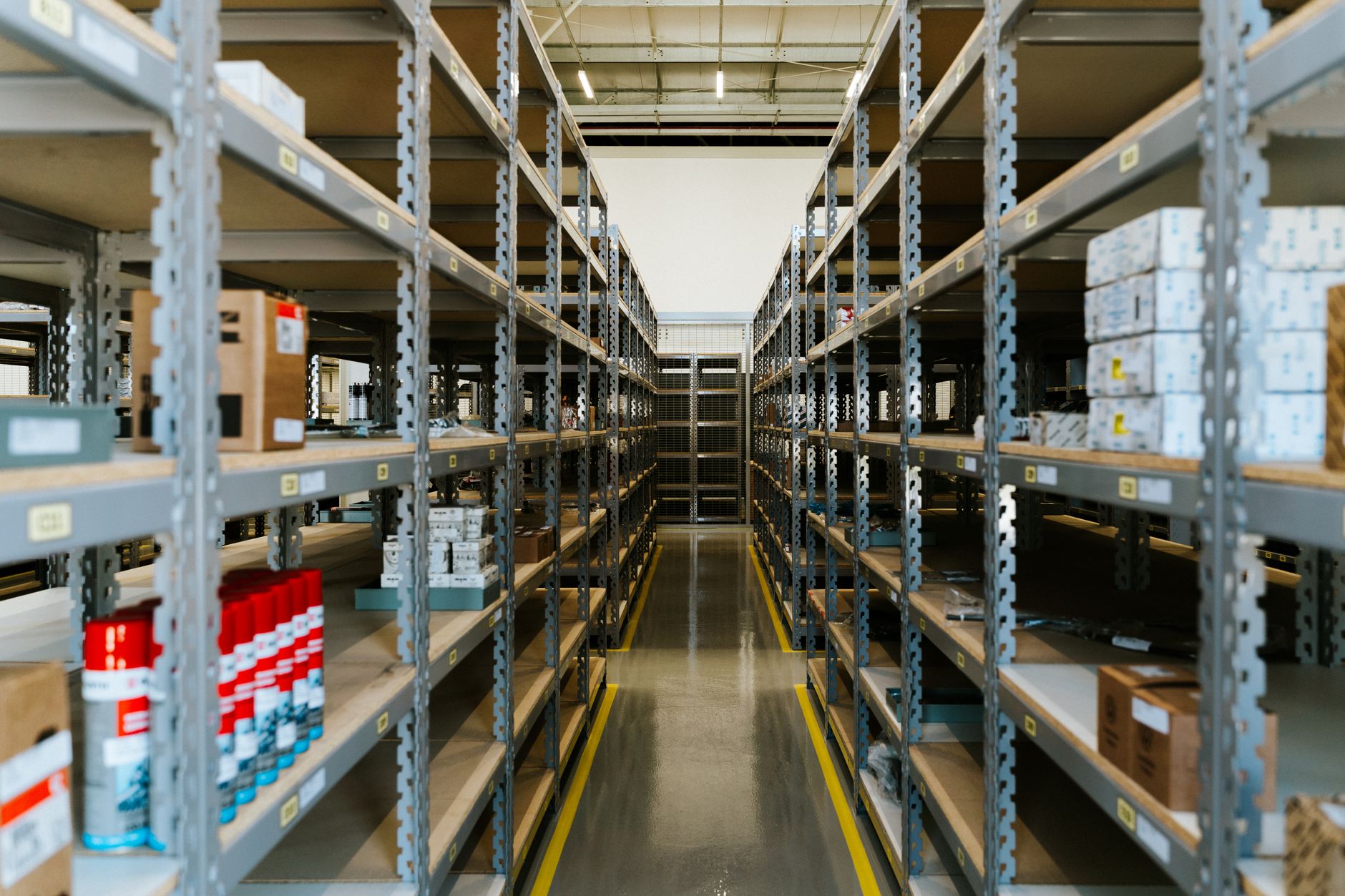
Static shelving could not keep pace with dealer demand
The hub feeds field service teams and dealers with a deep catalog that often runs near 55,000 active SKUs. Orders still moved through RF-directed pick-to-cart runs from conventional shelving, and each pick port topped out around 50 orders per hour.
Ceiling height sat mostly unused while fast movers and slow movers competed for the same floor slots. Peak waves stacked travel time on top of accuracy pressure, and leadership wanted denser storage without pouring concrete for a bigger building.
- Pick ports stalled near 50 orders per hour on cart-based workflows.
- Vertical cube in the building was underused.
- SKU growth pressed storage and throughput at the same time.
Goods-to-person grid with phased go-live
Operations partnered with an integration team to install a cube storage grid served by autonomous robots that retrieve totes and deliver them to pick stations. Twenty-eight robots run on the grid while four pick ports present totes to associates.
The layout went live in August before a public opening event in late October, giving supervisors time to tune port balance and replenishment before peak season. Training focused on how presenters queue totes and how exceptions route back to conventional areas when needed.
- Map fast movers into the grid while keeping oversized lines on static storage if required.
- Stand up four pick ports before tuning robot traffic patterns.
- Run parallel training on tote presentation and exception handling.

Threefold pick presentations and tripled storage slots
Each pick port now sustains about 175 tote presentations per hour, compared with roughly 50 orders per hour under the old cart method. At full rhythm the system can support up to about 700 orders per hour across the ports.
Storage capacity climbed from about 40,000 locations to more than 128,000 within the same footprint by using the vertical grid. Pickers spend less time walking and more time confirming lines at the port, which is where accuracy and speed actually show up on dealer service levels.
What parts distributors can copy
Service Robot Co. did not build this Midwest parts hub. The published upgrade still shows how warehouse robot rental or purchase can target pick rate before you add headcount when SKU depth keeps climbing.
As a vendor-neutral integrator, Service Robot Co. compares goods-to-person grids, cart AMRs, and hybrid designs, then bundles robot leasing for business with site assessment, WMS ties, training, and nationwide service. A month to month pilot on one aisle or zone can prove port rates before you commit to a full grid.
If your bottleneck is pick presentations per hour, finance the automation like production equipment and expand only after one port proves the 175-per-hour class of throughput on your SKU mix.