
a Midwestern manufacturer of steel livestock gates
Robotic Welding Raises Steel Gate Output at Least 37%
See how a Midwestern steel livestock gate manufacturer raised output from 8 to 10 gates per hour to 11 to 13 with a dual-sided robotic welding cell.
- 37%+
- hourly output gain
- 8 to 10
- gates per hour before
- 11 to 13
- gates per hour after
- 2
- robots in the cell
Based on a documented real-world deployment. Figures are from public reporting; the organization is not named.
A Difficult Weld Meets a Thin Labor Market
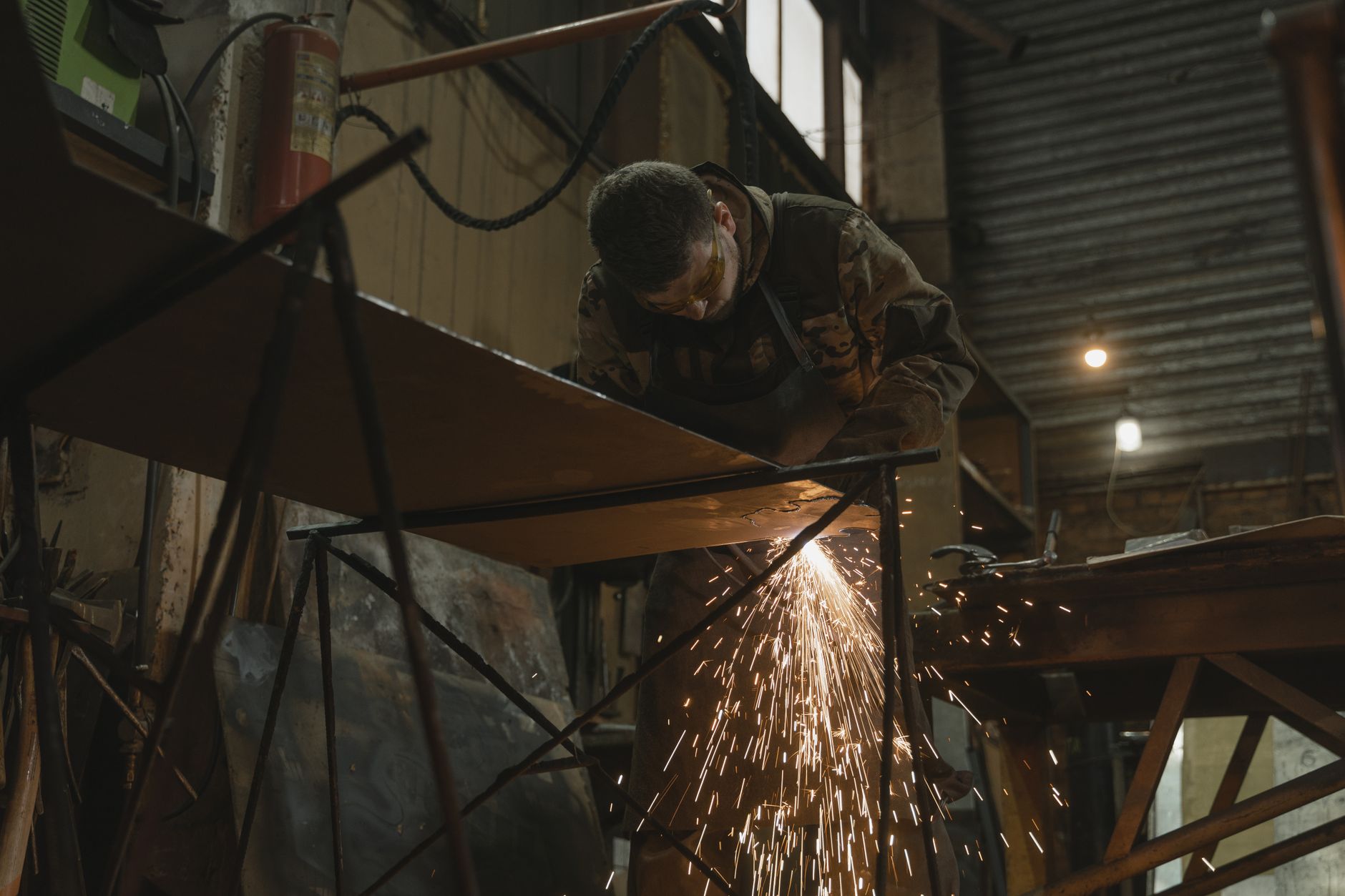
A Midwestern manufacturer of steel livestock gates was struggling to satisfy demand amid a shortage of skilled workers. The pressure converged on a particularly difficult production line, where light-gauge round steel demanded careful welding and little tolerance for defects.
The company needed more capacity without surrendering the pace, weld quality, or low defect levels achieved by experienced welders. Overtime helped cover the gap, but it was not a durable answer for a constrained workforce.
This was also the manufacturer's first robotics deployment. Any proposed cell had to preserve human oversight, limit installation downtime, and give the operating team dependable support before, during, and after commissioning.
- Increase gate output without relaxing weld standards
- Handle light-gauge round steel consistently
- Reduce defects and the recurring need for overtime
- Introduce robotics with minimal production disruption
A Dual-Sided Cell Built Around Continuous Flow
The integration team began with a clear acceptance target: the automated process had to match the pace and quality of skilled welders. Simulation software was used to design the cell before installation, shortening build and installation work while keeping downtime as low as possible.
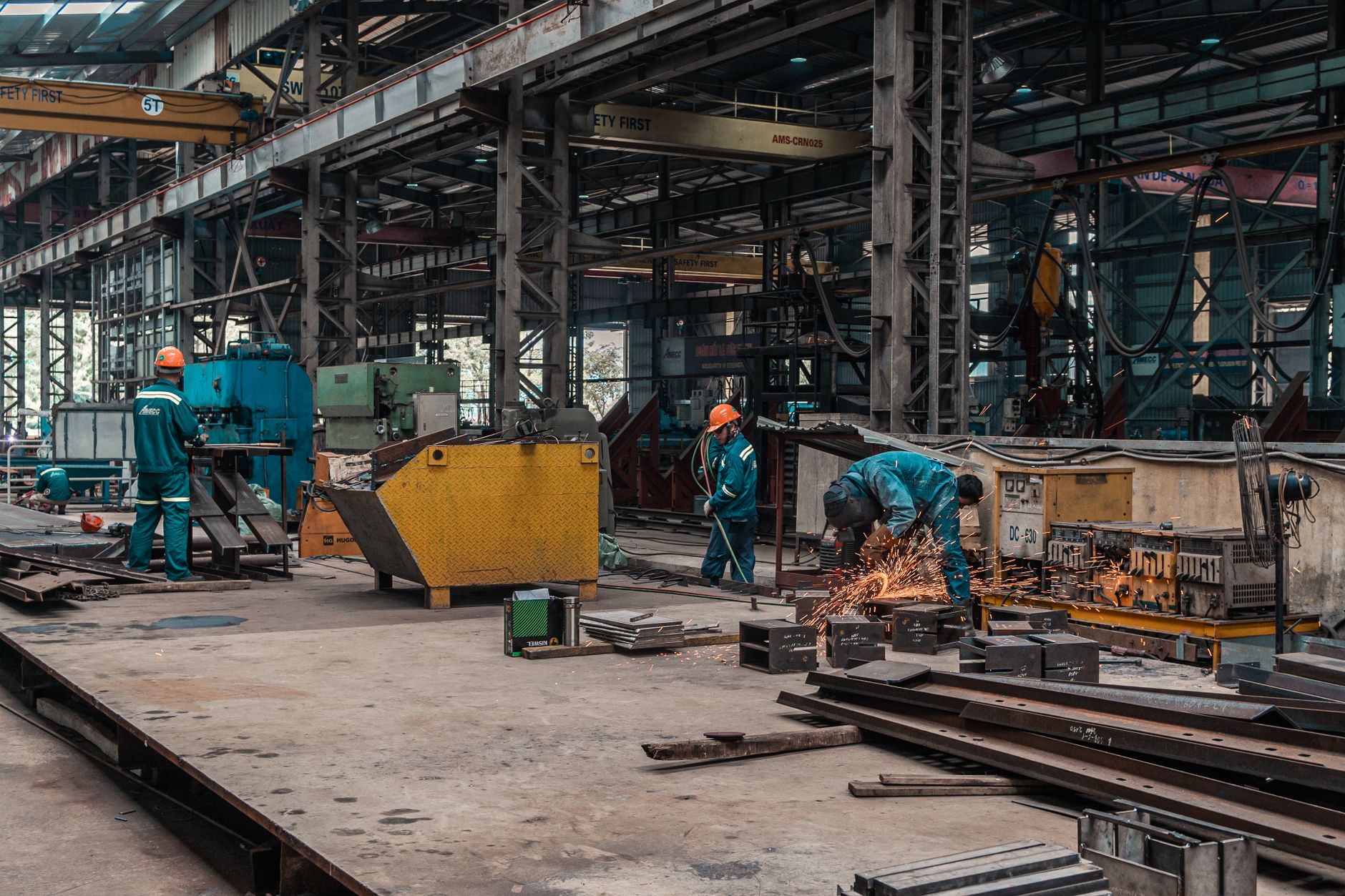
The resulting layout placed two welding robots in a dual-sided cell with fixtures on both sides. While the robots welded on one side, a two-person welding team unloaded finished gates and loaded the next workpieces on the other. The cell could then alternate sides, keeping the welding cycle supplied without removing skilled people from the process.
On-site support was available before, during, and after delivery, an important safeguard for a first-time robotics user. The published account does not describe a formal training curriculum or phased pilot, but it does show the welding team applying production knowledge, welding skill, and problem-solving ability to keep the cell running.
- Define pace, quality, and defect expectations before equipment selection
- Simulate the cell to compress build and installation work
- Use alternating fixtures so welding and loading can proceed in parallel
- Keep the welding team engaged in loading, unloading, and process recovery
- Provide on-site support across commissioning and ongoing operation
More Gates Per Hour and a More Repeatable Weld
Hourly gate production rose from 8 to 10 units before automation to 11 to 13 after the cell entered service. The documented gain was at least 37 percent per hour, giving the plant materially more capacity on a line previously hemmed in by labor availability.
Output was only part of the result. The automated welding process produced more consistent welds, higher-quality finished gates, and far fewer defects. Those gains matter acutely on light-gauge round steel, where repeatability can be difficult to sustain across a demanding production schedule.
Employee satisfaction increased, and the need for overtime declined. The two-person welding team remained central to the cell, tending fixtures and using its process knowledge to resolve issues rather than spending every cycle performing the same difficult welds.
A Practical Model for Manufacturing Automation
This case illustrates why robot selection cannot be separated from fixtures, workflow, staffing, and support. Service Robot Co. is a full-service, OEM-neutral commercial robot integrator for US businesses. As a vendor neutral robot integrator, we assess the application across manufacturers and identify the robot that fits your floor rather than forcing a plant into one equipment catalog.
Service Robot Co. handles robot deployment and integration, financing, training, and service through a nationwide US engineer network. Engagements can include a commercial robot demo, a robot pilot program, turnkey robot deployment, and monthly payment programs structured around the operation. For teams evaluating manufacturing plant robot leasing, robot leasing for business, or robot financing for small business, the aim is straightforward: one partner one number across the equipment lifecycle.