
a large logistics company's employee parking lot in the Atlanta area
An Atlanta Area Logistics Parking Lot Reports Zero Incidents on Its Patrol Robot
A logistics company's Atlanta area employee lot ran a security patrol robot from October 2017. The company reported zero incidents over the first six months.
Deployment at a glance
- 0
- Incidents reported in the first six months, company reported
- Oct 2017
- Patrol robot goes live in the employee car lot
- 6 months
- Window covered by the operator's own report
- Lot only
- Patrol scope: employee vehicles, not trucks or operations
Based on a documented real-world deployment. Figures are from public reporting; the organization is not named.
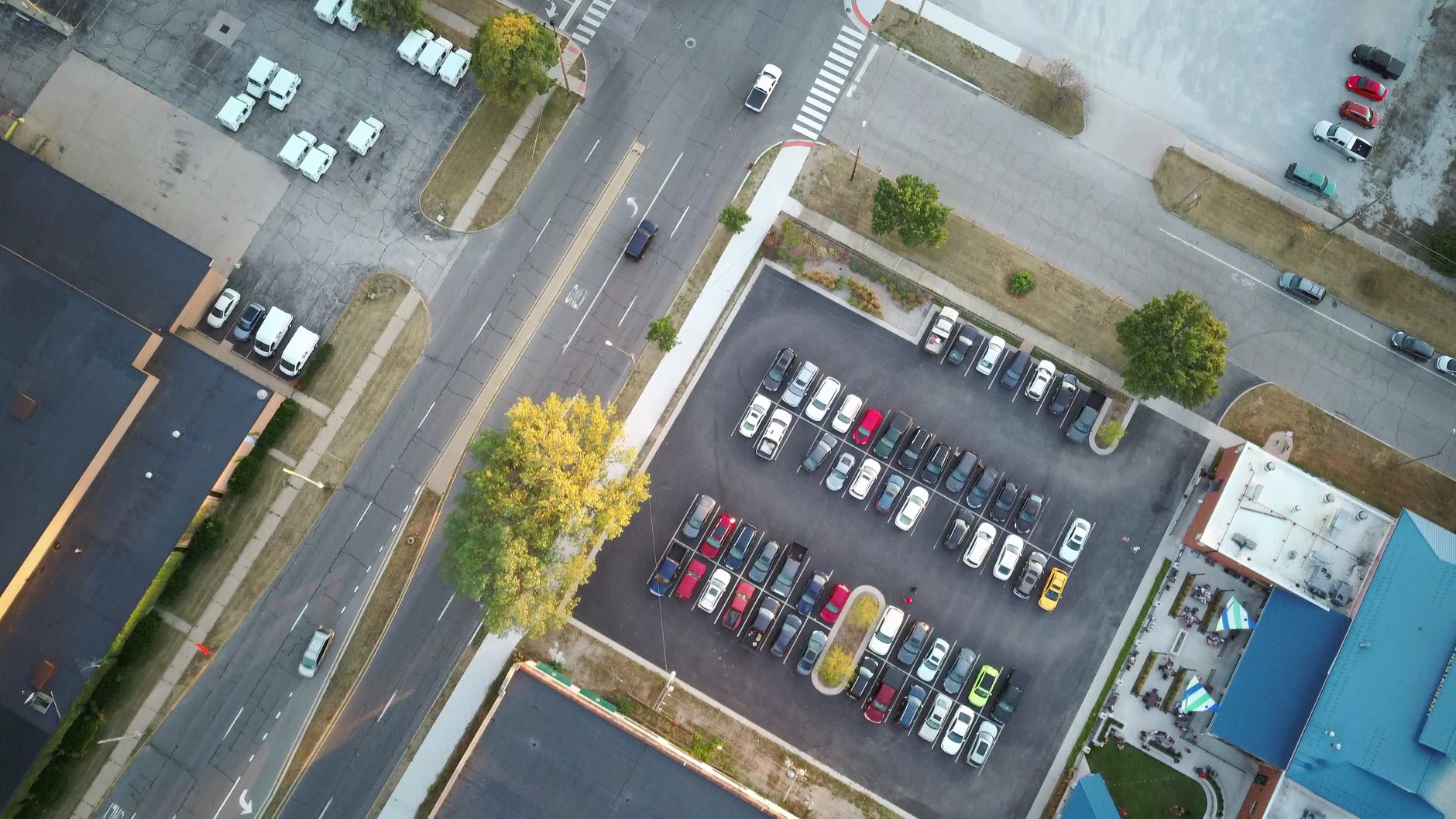
A parking lot that sits outside the dock
Logistics sites are built around docks, trailers and pick lines, and the employee parking lot often gets the least attention on the whole campus. Cars sit for hours during shifts, and the people who park there come and go on schedules that rarely match the building's own.
For this operator, the lot was where trespassing, car break ins and car damage were the concern. Those problems are quiet ones. They seldom reach the operations report, yet employees feel them long after the incident is forgotten.
Patrolling a space like this with people around the clock is costly and hard to keep consistent. That is why an autonomous patrol robot looked like a practical fit for one well defined area.
A narrow scope and a robot in service from October 2017
The operator gave the robot one job: patrolling the employee personal vehicle lot. Trucks and logistics operations stayed outside its route, so the machine had a single purpose and a clear boundary.
The robot went live in October 2017. Keeping the scope narrow meant the first months measured one thing, incidents in the lot, rather than a blend of yard, dock and building activity.
A deployment like this rests on the steps any commercial robot needs: a site walk, a route that fits the lot, a go live date, and a service path for the days a unit needs attention. Robot deployment and integration is where most of that work sits.
- Limit the patrol to the employee personal vehicle lot
- Keep trucks and logistics operations outside the robot route
- Go live in October 2017 and report results over six months
- Set service coverage before the first patrol
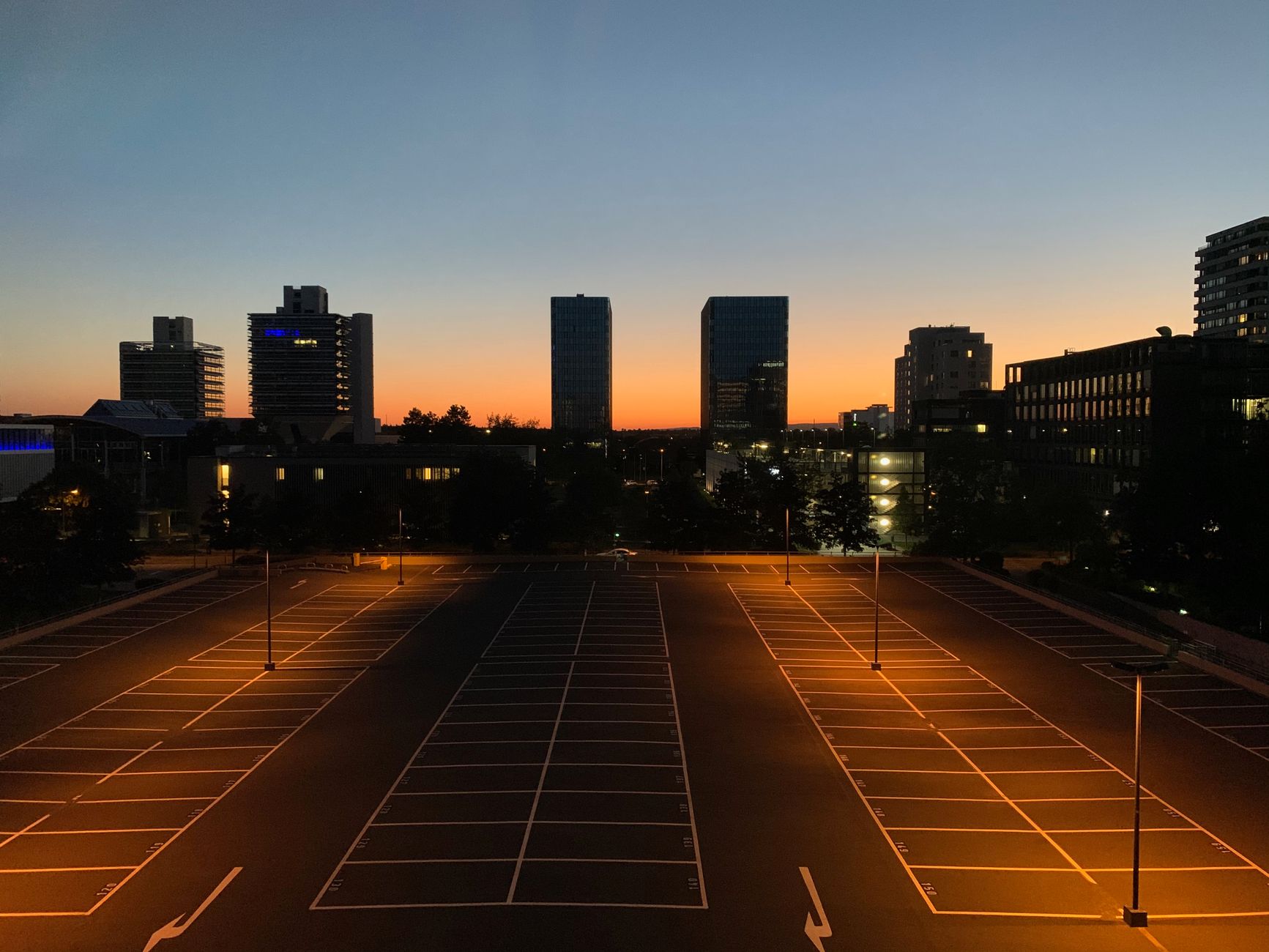
Zero reported, with its limits in view
The operator reported zero incidents in the first six months after the robot went live in October 2017. That is the headline, and it is the operator's own count.
The same account credits the robot with reducing trespassing, car break ins and car damage in the lot. Those effects are company reported too.
The operator did not release crime statistics from before the robot arrived. Without that earlier baseline, the zero stands as the operator's own reading of its lot, and it should be read that way.
What a lot patrol program asks of a buyer

Service Robot Co. is a full service, OEM neutral commercial robot integrator for US businesses. We select the right robots across manufacturers, then finance, deploy, integrate, train, and service every unit through a nationwide US engineer network, so a buyer works with one partner and one number.
Robot leasing for business works best when the scope is written down first. For security patrol robot leasing, the questions are the ones this study raises: what area is covered, how the route fits the site, and who answers when a unit needs help. Our robots are offered on a three year robot lease, with one fixed payment quoted after a site assessment, backed by on site dispatch, remote triage and emergency response nationwide. Go live support and site assessment mapping come before the first patrol.
Details are at servicerobotco.com.
Frequently asked questions
Want a robot working for you?
Tell us the job and the site. We will recommend the robot, quote the lease, and keep it serviced.