a mid-size freight forwarding warehouse operating about 65,000 square feet of dock and staging floor
How a Logistics Warehouse Cut Daily Floor Scrubbing From 90 Minutes to 15
A freight forwarding warehouse cut daily floor scrubbing from up to 90 minutes to about 15 with an autonomous scrubber, saving 75 staff minutes each day.
- 75 min
- Daily time saved
- 15 min
- Max scrub time now
- 90 min
- Peak manual time
- 8
- Mapped floor zones
Based on a documented real-world deployment. Figures are from public reporting; the organization is not named.
When scrubbing lost the daily schedule battle
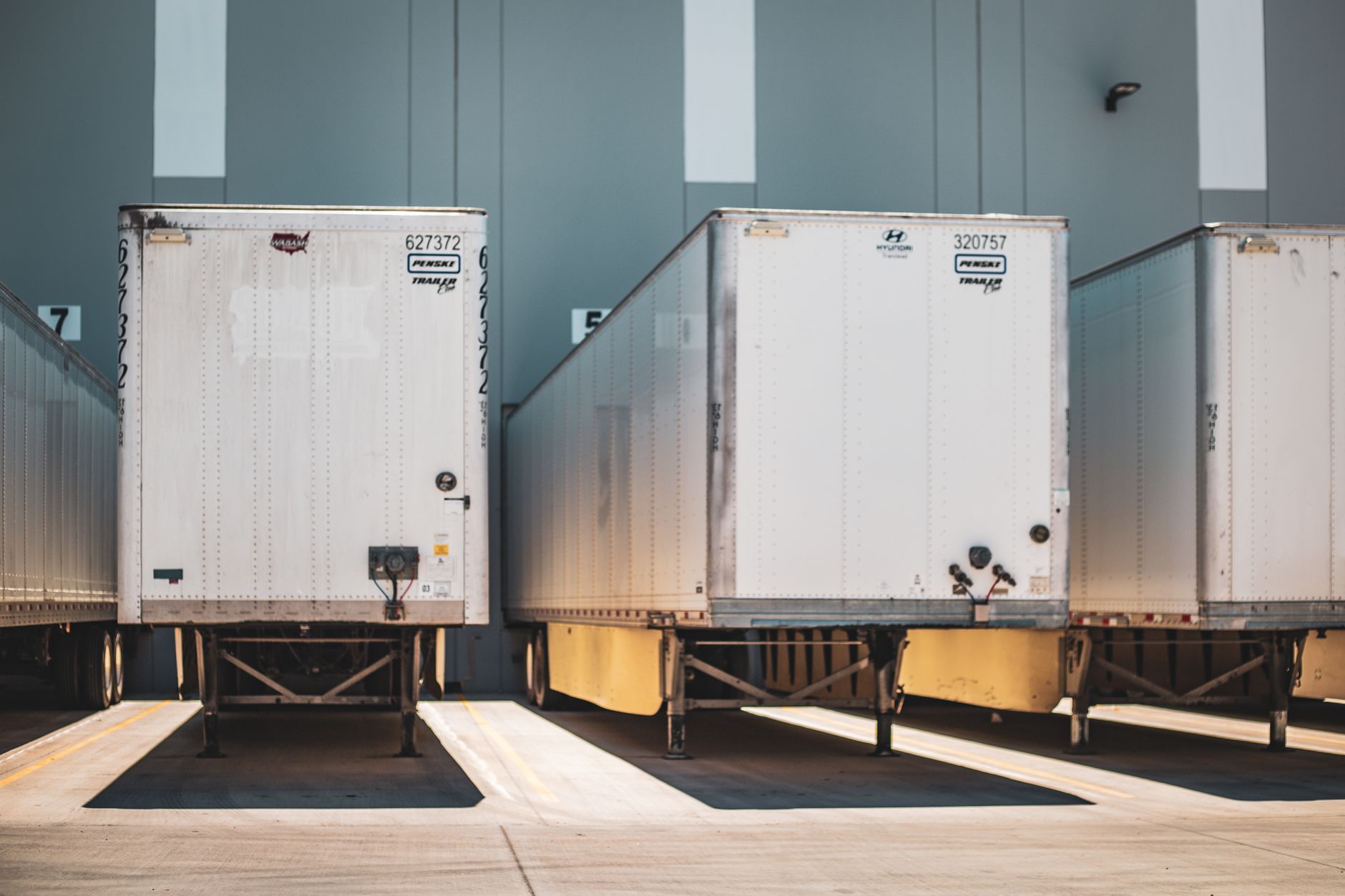
Dock lanes and staging aisles at this freight forwarding site see constant forklift traffic, pallet drops, and grit tracked in from the yard. Floors still had to look audit-ready, but manual scrubbing often slid when outbound waves stacked up.
Teams had been running a ride-on scrubber across roughly 64,583 square feet. The published case notes that cleaning could take up to 90 minutes a day, time that was frequently unavailable. Results swung between polished lanes and a dull film that made slips and tire marks more likely.
- Peak manual scrubbing stretched toward 90 minutes for the full hall
- Cleaning slipped when dispatch pressure spiked
- Inconsistent passes left high-traffic lanes looking tired
Autonomous scrubbing timed to quiet lanes
Leadership replaced the daily manual pass with an autonomous scrubber deployed in 2023. The floor was split into eight zones so runs could follow a calendar tied to when each slice of the hall was empty enough for a safe pass.
Early weeks included vendor support to close skill gaps. Staff who were skeptical at first began watching the unit finish lanes they used to dread, which helped adoption stick without pulling pickers off routes.
- Map eight zones across dock and staging floor
- Schedule autonomous passes in low-movement windows
- Keep a human owner for fills, exceptions, and quick resets
Measured time back on the floor
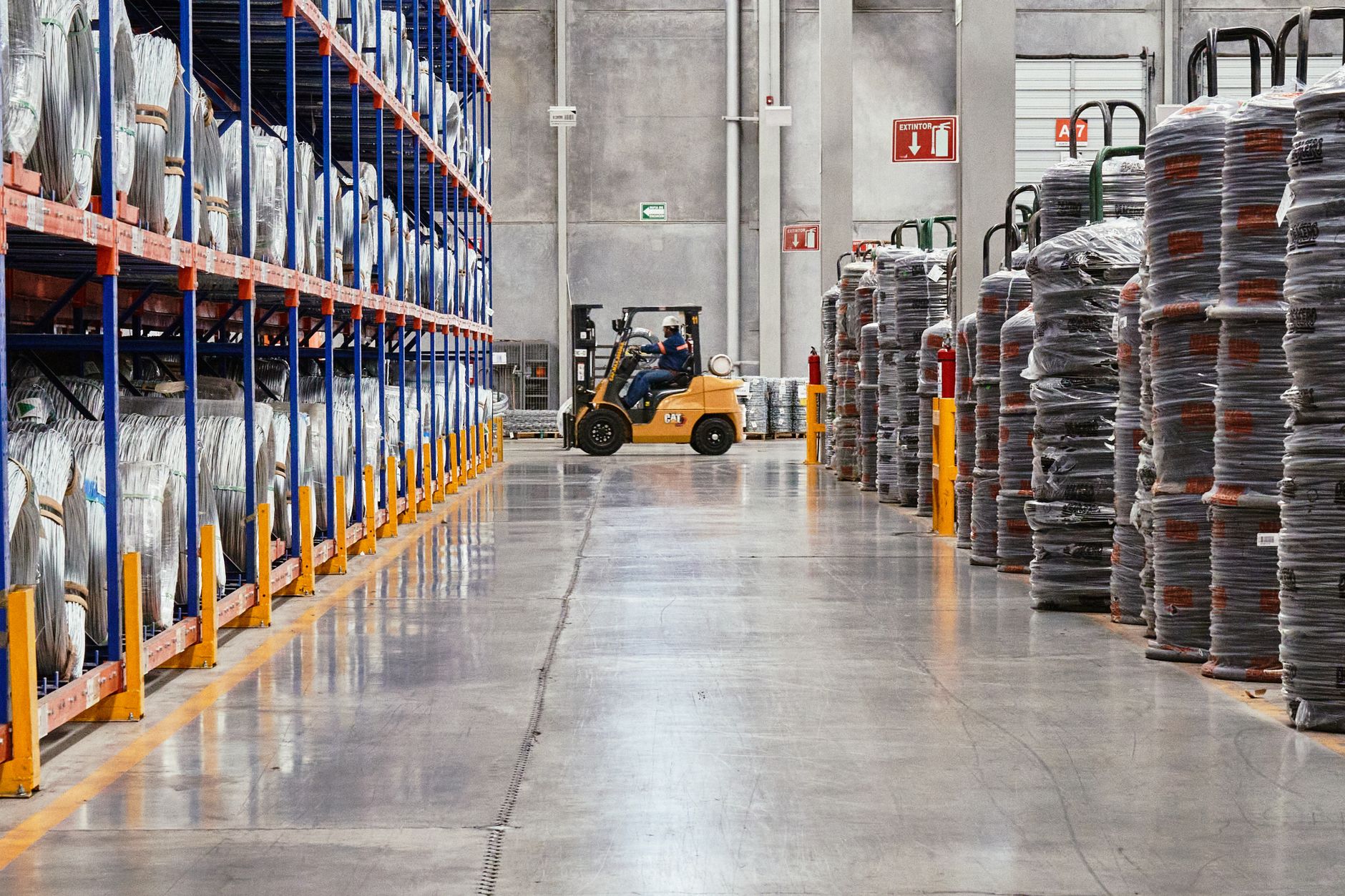
The site reports that autonomous cleaning now needs a maximum of about 15 minutes per day for the full footprint, down from up to 90 minutes manually. That 75 minute daily difference is time supervisors can aim at lane readiness, equipment checks, or cross-training instead of pushing a scrubber.
Because passes run when traffic is light, lanes stay consistently clean rather than alternating between deep scrubs and skipped days. The case describes the work as largely hands-off once routes are set, with staff intervening only for routine refills or blocked paths.
What US logistics teams can borrow
This is a documented European freight site, not a Service Robot Co. customer, but the pattern is familiar on US docks: you need warehouse cleaning robot rental or purchase options that respect shift timing, not a one-size scrub schedule.
Service Robot Co. stays vendor neutral, matches autonomous floor scrubber rental or lease programs to your lane map, and handles deployment, training, and nationwide service so one partner owns the robot from pilot through maintenance included support.