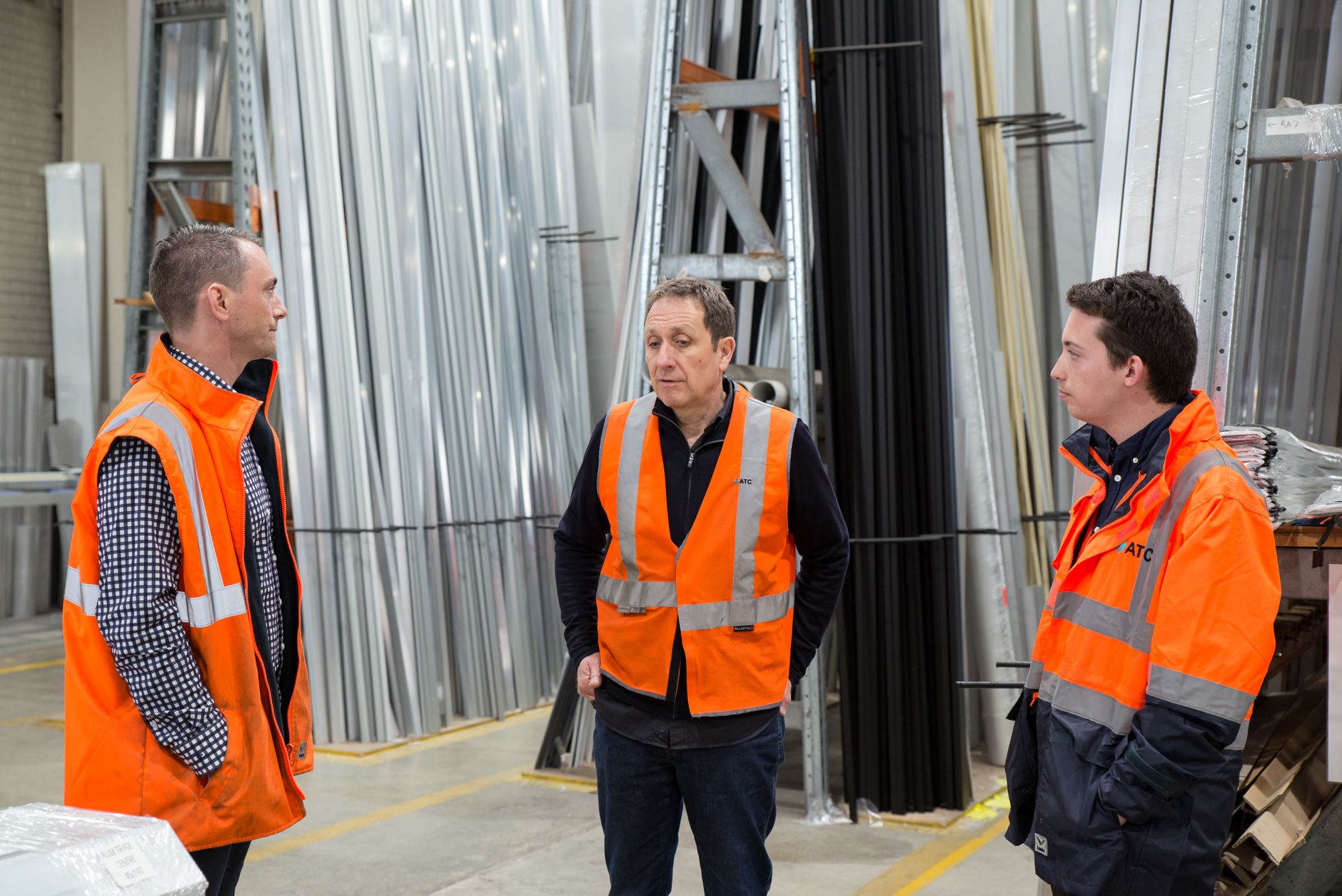
a small precision machine shop in the Pacific Northwest
Precision Machine Shop Raises Throughput 43% With a Cobot
A Pacific Northwest machine shop used a machine-tending cobot to raise throughput 43%, lower production costs 23%, and finish seven weeks early.
- 43%
- higher throughput
- 23%
- lower production costs
- 7 weeks
- earlier completion
- 3 ops
- CNC sequence tended
Based on a documented real-world deployment. Figures are from public reporting; the organization is not named.
A Critical Order Met a Thin Night-Shift Labor Pool
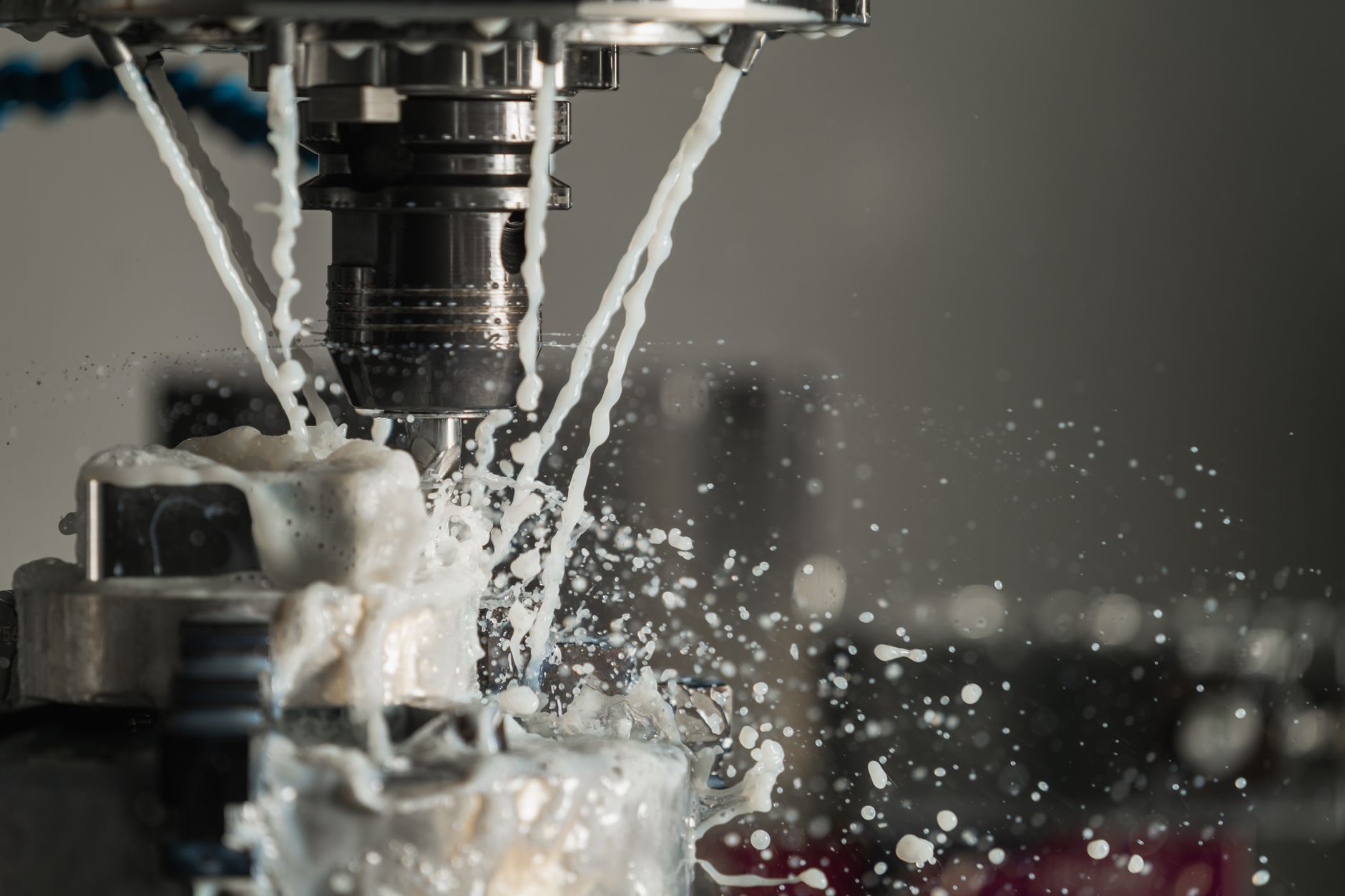
A large order for a multi-threaded medical-device component required continuous production. The part moved through a demanding three-operation CNC sequence, so every load, transfer, and fixture placement had to preserve machining accuracy.
The shop needed 24/7 output, but third-shift machinists were difficult to recruit. Without dependable off-shift coverage, the order constrained capacity and kept valuable equipment tied to a long production run.
Conventional industrial automation was considered. Once guarding, programming complexity, and deployment effort entered the calculation, the shop favored a collaborative machine tending robot that could work within the existing production environment.
- Keep the complete multi-operation sequence running beyond staffed hours
- Place a precision component accurately through each CNC operation
- Reduce repetitive, ergonomically awkward handling
- Add capacity without depending on scarce third-shift hires
One Cobot Took Ownership of the Full CNC Sequence

An integration partner developed the initial application around a cobot with 30-micron repeatability and built-in force feedback. The cell handled raw stock, transferred the component through the machining sequence, and returned a completed precision part.
Deployment progressed from the core tending cycle to added rinsing and drying work. The shop's automation engineer assumed daily operation, while online training and offline programming tools helped move knowledge in-house.
This staged approach kept the application legible to the people running it. The documented cell also reported zero maintenance, with no downtime or interruptions to the machining cycle during the cited deployment.
- Evaluate the complete process, including fixtures, guarding, programming, and operator access
- Prove accurate handling across all three machining operations
- Train the shop's automation engineer for daily programming and recovery
- Extend the cell with post-machining rinsing and drying
More Weekly Output and Earlier Capacity Release
Weekly production rose from 255 parts to 370, a documented throughput increase of 43%. The gain came from covering the difficult third shift and keeping the CNC sequence moving beyond normal staffed hours.
Production costs fell 23%. Just as important, the shop completed a year's production seven weeks earlier than manual operation would have allowed.
Finishing early released the machine for other work. The cobot did more than fill an unpopular shift. It changed how quickly the shop could clear a capacity bottleneck and accept the next job.
What This Example Means for Smaller Manufacturers
This is a documented industry example analyzed by Service Robot Co., not a deployment performed by Service Robot Co. Its lesson is practical: a well-scoped cobot leasing for manufacturing should be judged by the entire process, including part presentation, fixturing, training, recovery, and service, not the arm alone.
Service Robot Co. is a full-service, OEM-neutral commercial robot integrator for US businesses. As a vendor neutral robot integrator, we select equipment across manufacturers, arrange robot financing for small business and monthly payment programs, manage robot deployment and integration, train operators, and support each unit through a nationwide US engineer network.
That lifecycle model gives manufacturers a single accountable vendor for collaborative robot arm leasing, robot leasing for business, integration, and a robot maintenance service plan. It is designed for shops that need a machine tending robot put into productive service and kept there, with remote triage and on-site dispatch available through the same partner.