
a major U.S. international airport operating across two large concourses
Airport Mobility Chair Case Study: 120 Passengers Assisted Daily
A documented airport accessibility case study shows autonomous mobility chairs assisting an average of 120 passengers a day across two concourses.
- 120/day
- average passengers assisted
- 10
- autonomous power chairs
- 2
- concourses covered
- 1st U.S.
- airport with service
Based on a documented real-world deployment. Figures are from public reporting; the organization is not named.
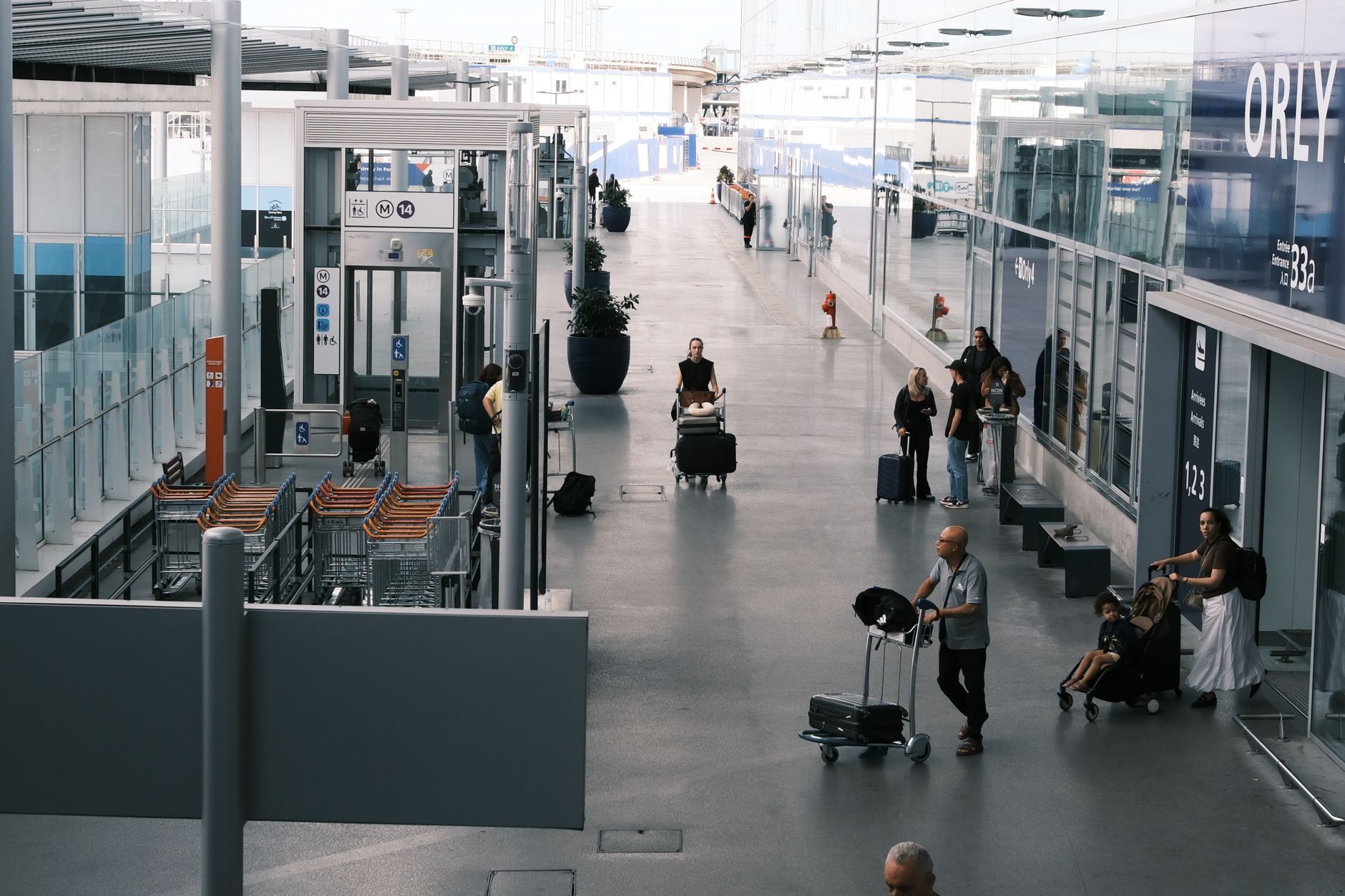
Accessibility pressure across long gate runs
For travelers with reduced mobility, getting from check-in or a waiting area to the gate often depends on airline-coordinated wheelchair assistance. At this airport, that work sat inside a sprawling concourse environment where long passenger movements are routine, not exceptional.
The airport's own accessibility guidance makes the friction plain. Wheelchair service is available on demand, but peak periods can bring delays. Traditional service also ties some basic stops, like grabbing food to go or getting restroom help, to the escorted trip itself. Across two large concourses, that creates an obvious operational pinch point.
- Airline-coordinated wheelchair assistance could face delays during peak periods
- Traditional escorted trips can limit passenger independence during the journey
- Long gate distances across two concourses magnify every handoff and wait
A bounded rollout built around rider-directed travel
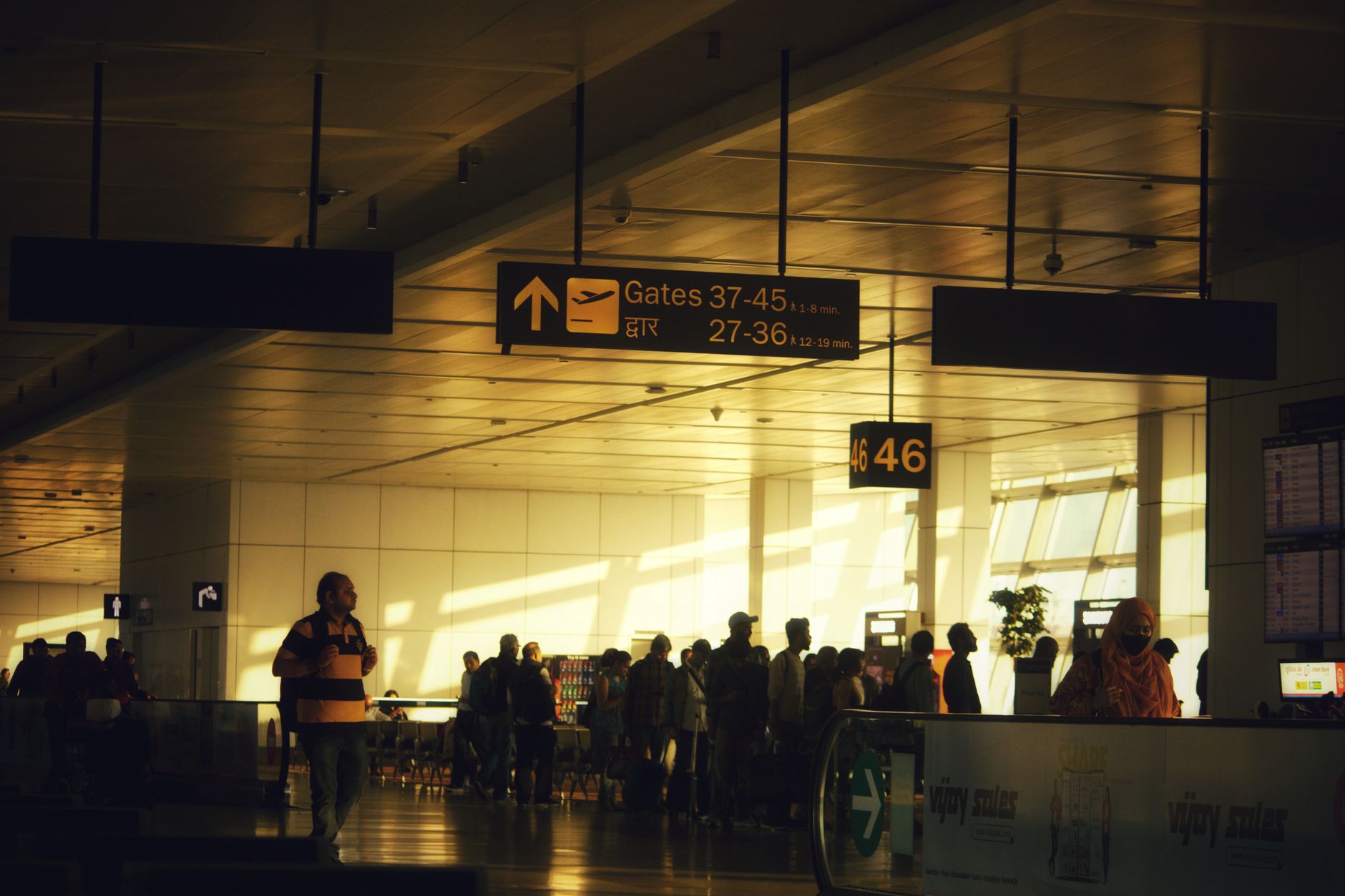
The documented deployment introduced 10 autonomous power chairs into active use for passengers with limited mobility. Public reporting places the chairs inside concourses D and E, giving the airport a defined two-concourse operating zone instead of an airport-wide launch.
The rider experience is simple. Passengers select their gate on a touch screen, and the chair drives to the chosen destination. That matters in aviation. A public-facing mobility program has to be intuitive at the curb, at the checkpoint, and at the gate.
The official announcement does not spell out procurement, staff training, or maintenance procedures. What it does make clear is the rollout shape: a fixed fleet, a straightforward destination interface, and a service area large enough to matter in daily terminal operations.
- Put 10 autonomous power chairs into passenger service
- Deploy the chairs inside concourses D and E
- Use a touch screen gate-selection workflow for each trip
- Pair the new chairs with the airport's broader accessibility program
Daily passenger assistance at meaningful volume
The headline result is substantial and concrete. An average of 120 passengers per day use the chairs. That is not novelty traffic. It is recurring mobility demand handled at scale inside an active airport environment.
The deployment also carries a notable first-mover marker. The airport says it became the first U.S. airport to receive this class of autonomous chairs. Combined with a 10-chair fleet and coverage across two concourses, the case shows a serious accessibility operation, not a ceremonial pilot.
The qualitative outcome in the announcement is equally important. The chairs are described as giving travelers more freedom, confidence, independence, and a better customer experience. For airport operators, that is the core commercial signal. Passenger assistance improved without asking reduced-mobility travelers to accept a slower or more restrictive trip.
What this means for airport operators evaluating Service Robot Co.
This is a documented real-world deployment, not a Service Robot Co. project. Its value is the operating pattern it reveals. When passenger assistance depends on repeated point-to-point movement in a live terminal, autonomy can relieve escort friction while preserving a formal accessibility program.
Service Robot Co. is a full-service, OEM-neutral commercial robot integrator for U.S. businesses. As a vendor neutral robot integrator, we select the right robots across manufacturers, then finance, deploy, integrate, train, and service each unit through a nationwide engineer network. For airport teams comparing service robot leasing, purchase or lease, and monthly payment programs, the real work is robot deployment and integration that fits the terminal, the staff, and the passenger journey.
That matters especially in aviation, where the machine is only part of the job. The harder part is matching the robot to the route, the traffic pattern, and the accountability model after go live. Service Robot Co. covers that full lifecycle through a unified commercial relationship, so the airport is not left coordinating separate vendors for hardware, rollout, and service.