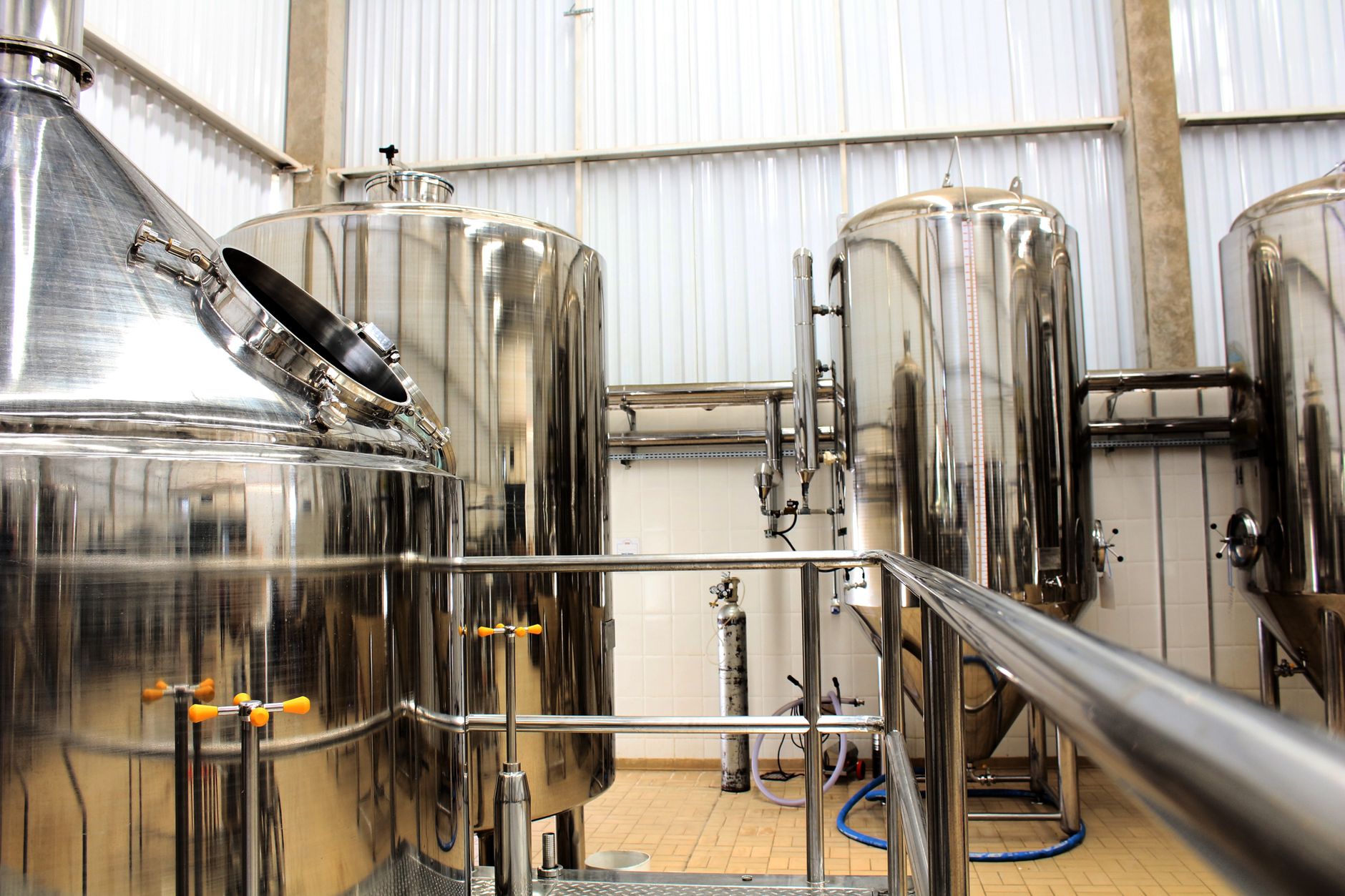
a high-volume European brewery with ten packaging lines
Brewery Case Study: Quadruped Inspection Cut Repair Time to 13 Days
A high-volume European brewery with ten packaging lines cut average repair time to 13 days with 1,800 weekly inspections and nearly 150 anomalies in six months.
- 13 days
- average repair time
- 1,800/wk
- inspections each week
- Nearly 150
- anomalies in 6 months
- 10 lines
- packaging lines covered
Based on a documented real-world deployment. Figures are from public reporting; the organization is not named.
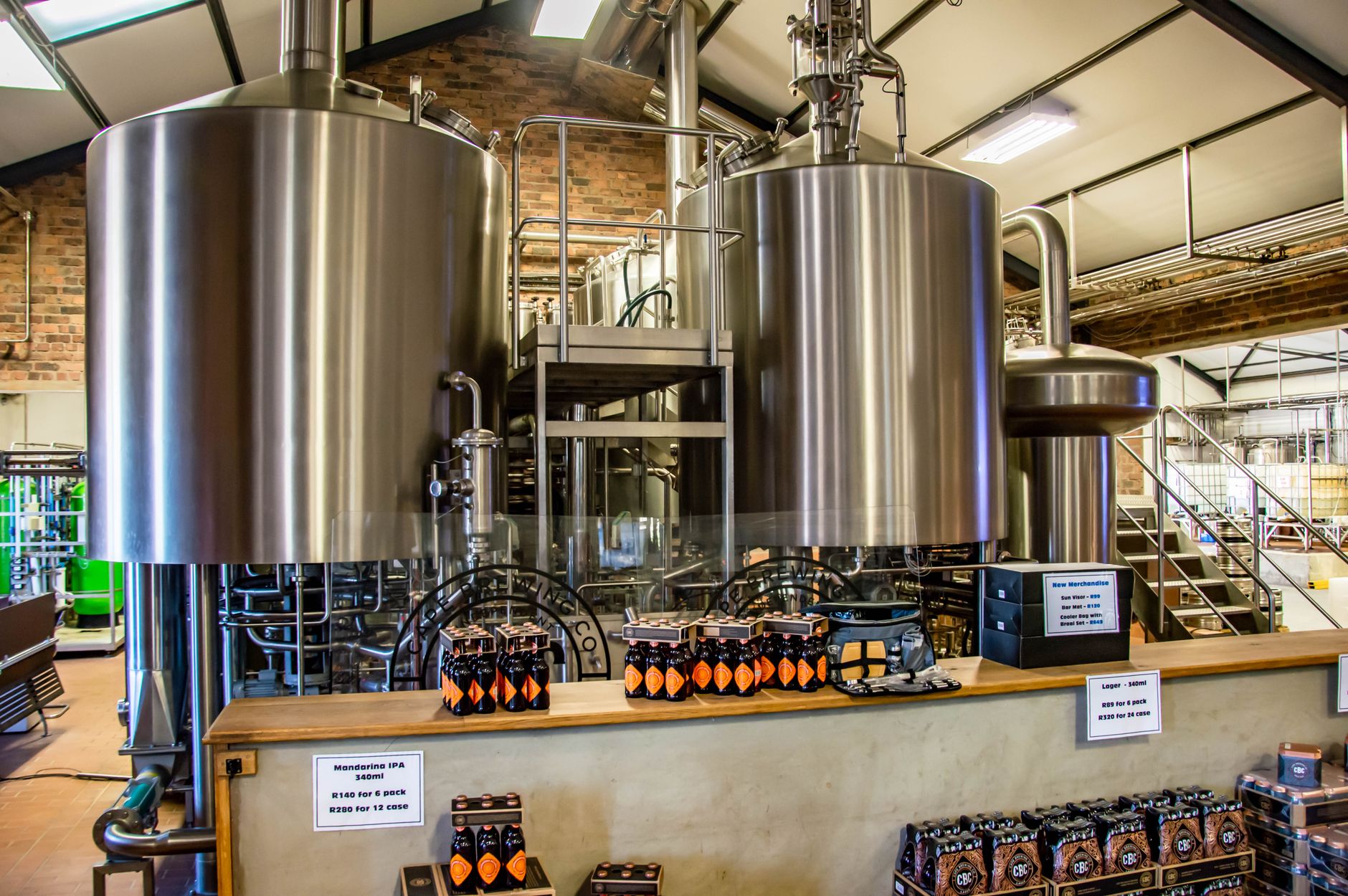
Where downtime hid
A high-volume European brewery with ten packaging lines had a predictive maintenance problem that many beverage plants know too well. Trouble on the packaging floor was often discovered and repaired over cycles measured in months, even though the equipment mix was dense, fast-moving, and unforgiving.
That lag was expensive in operational terms. Conveyors, motors, gearboxes, compressors, and leak-prone utility systems had to be watched inside live production, and the old process could require shutting lines down just to hear what was going wrong.
- Packaging equipment ran in a dense, hard-to-audit environment
- Failures could stay hidden until they became repair events
- Listening for leaks had previously required line shutdowns
- Maintenance needed earlier warning, not just faster reaction
How the rollout took hold

The published deployment began with an on-site trial, then shifted into routine use on the packaging floor. A quadruped inspection robot took over repeatable thermal and acoustic rounds so the brewery could gather the same readings again and again under normal operating conditions.
Training appears to have been deliberately practical rather than heavy. Two small teams were trained to run the robot, zone-based operators defined inspection points and missions, and findings were pushed into the maintenance workflow so technicians could spend their time repairing faults instead of hunting for them.
- Tested the robot on site before moving it into regular inspection work
- Focused early missions on the packaging area
- Used thermal and acoustic inspections to spot heat and leak issues
- Assigned trained operators to set routes, inspection points, and missions
- Fed findings into maintenance follow-through so anomalies became action
What changed on the floor
The cadence of inspection changed first. The robot now performs 1,800 inspections each week across ten packaging lines, creating a far denser picture of asset condition than manual rounds could sustain. In its first six months, it found nearly 150 anomalies inside live production.
The headline outcome was repair speed. Average repair time fell from a few months to 13 days. The source also describes a transport motor issue caught before it could shut down a packaging line for at least 6 hours, which captures the real value of earlier detection on a busy plant floor.
What this means for US plants
This is a documented public deployment, not a claimed Service Robot Co. project. The lesson for beverage manufacturing is straightforward. Inspection robots pay off when they are tied to maintenance routines, alerting, and repair ownership, not treated like a novelty roaming the aisle.
That is the role Service Robot Co. plays for US buyers. As a vendor neutral robot integrator, the company can support inspection robot leasing for business, handle robot deployment and integration, train site teams, and back the unit with commercial robot repair service under a robot maintenance service plan, all through the same lifecycle partner.