a major interstate bridge spanning a deep river gorge
How a Major Bridge Inspection Cut Field Time and Cost 50%
An anonymized interstate bridge case study: inspection fell from 10 days to 5 while cost dropped 50%, with less lane closure and harness work.
- 5 days
- field inspection window
- 50%
- cost reduction vs prior cycle
- 10 to 5
- days in the field
- 1 crew
- consolidated capture role
Based on a documented real-world deployment. Figures are from public reporting; the organization is not named.
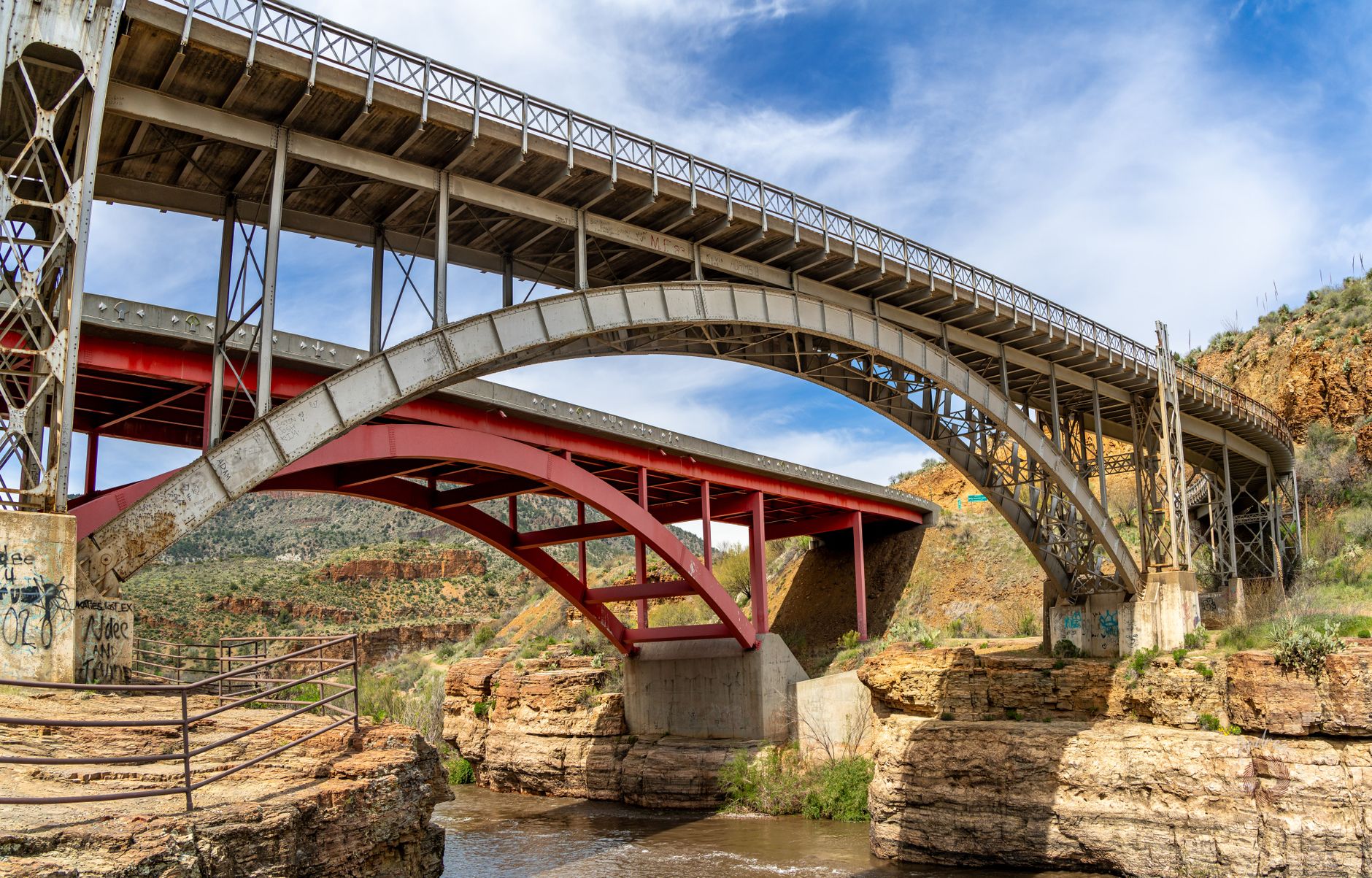
High exposure work on a signature span
A major interstate bridge spanning a deep river gorge carries heavy daily traffic and sits in terrain where every inspection touchpoint is awkward. The structure includes arch segments, tight girder bays, and vertical faces that are hard to see from the deck alone.
The prior inspection playbook leaned on lane closures, snooper trucks, and crews in harnesses to reach undersides and columns. That mix stretched the field window, raised access fees, and kept people in traffic-adjacent work longer than anyone wanted.
- Lane closures tied to snooper truck staging
- Harness work on arches and girders
- Longer field cycles on a high profile crossing
3D scan capture from the air
The owner team shifted the program toward autonomous inspection drones built around structured 3D scan passes. Flights were planned to cover columns, the underside of arch segments, and the narrow zones around girders where deck based views fall short.
Instead of splitting pilot, visual observer, camera operator, and engineer roles across a crowded deck, the program folded planning, capture, and quality checks into a single field lead. That consolidation cut coordination overhead and kept the engineer close to the data as it was collected.
- Mission plans mapped to arches, girders, and columns
- 3D scan paths for hard to reach faces
- Single field lead owning capture and engineering review
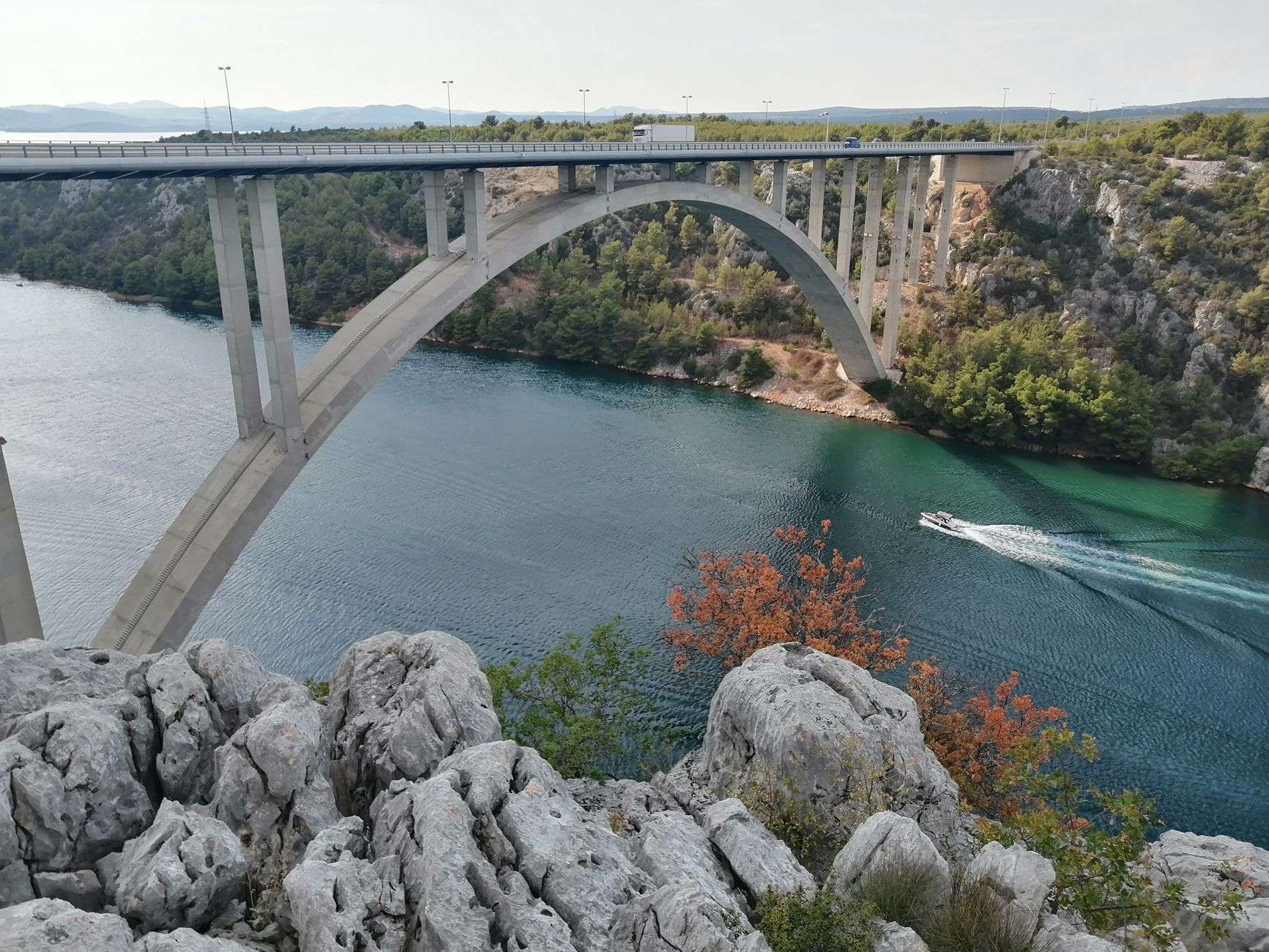
Half the calendar, half the spend
Reported field time for the inspection cycle fell from ten days to five on this span. Documented program cost for the same scope dropped by fifty percent compared with the previous approach.
Access changes mattered as much as the clock. The team reduced reliance on snooper trucks, cut harness hours, and limited lane closures while still building a dense 3D record of difficult structural zones.
What this pattern means for owners and integrators
Bridge and transportation teams are under pressure to inspect faster without trading away coverage on arches, girders, and hidden faces. Autonomous 3D scan drones are one way to shrink field calendars when the flight plan is tied to structural priorities, not generic photo passes.
Service Robot Co. is a full service, OEM neutral commercial robot integrator for US businesses. We help teams compare inspection drone platforms, shape phased rollouts, and connect capture workflows to financing, training, and nationwide field support so one partner owns the lifecycle after the first flight plan is approved.