
a large industrial manufacturer using collaborative robots on production work
A Large Industrial Manufacturer's Cobots Cut Cycle Times 18 to 22 Percent
A large industrial manufacturer put cobot arms on kitting, thread tapping and O rings work, reporting shorter cycles and less repetitive strain for operators.
Deployment at a glance
- 18 to 22%
- Cycle time cut, varying by product variant
- 60%+
- Lower ergonomic exposure on repetitive motions
- 3 tasks
- Kitting, thread tapping and O rings handled by cobots
Based on a documented real-world deployment. Figures are from public reporting; the organization is not named.
Repetitive work that wore on people and slowed the line
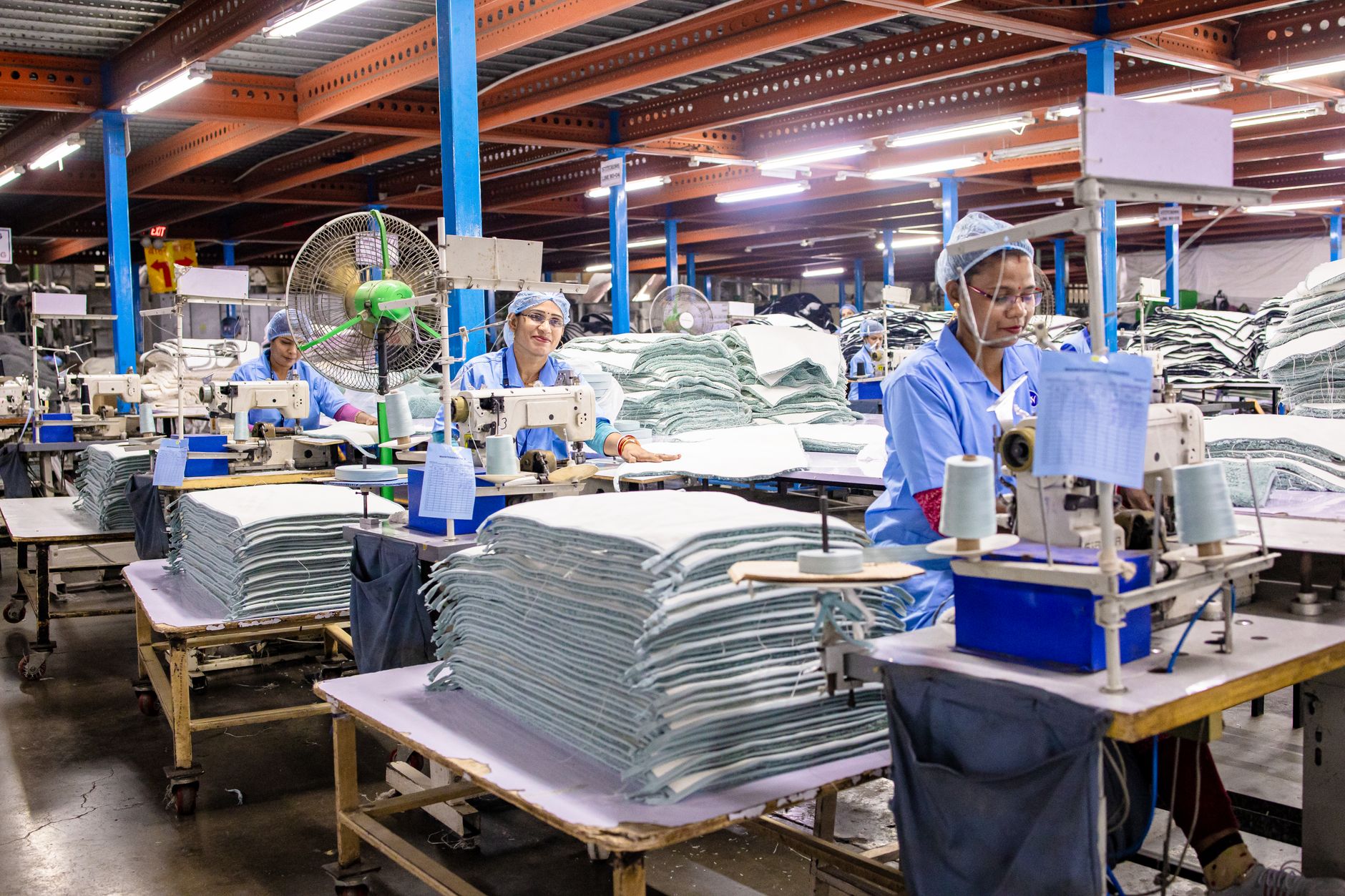
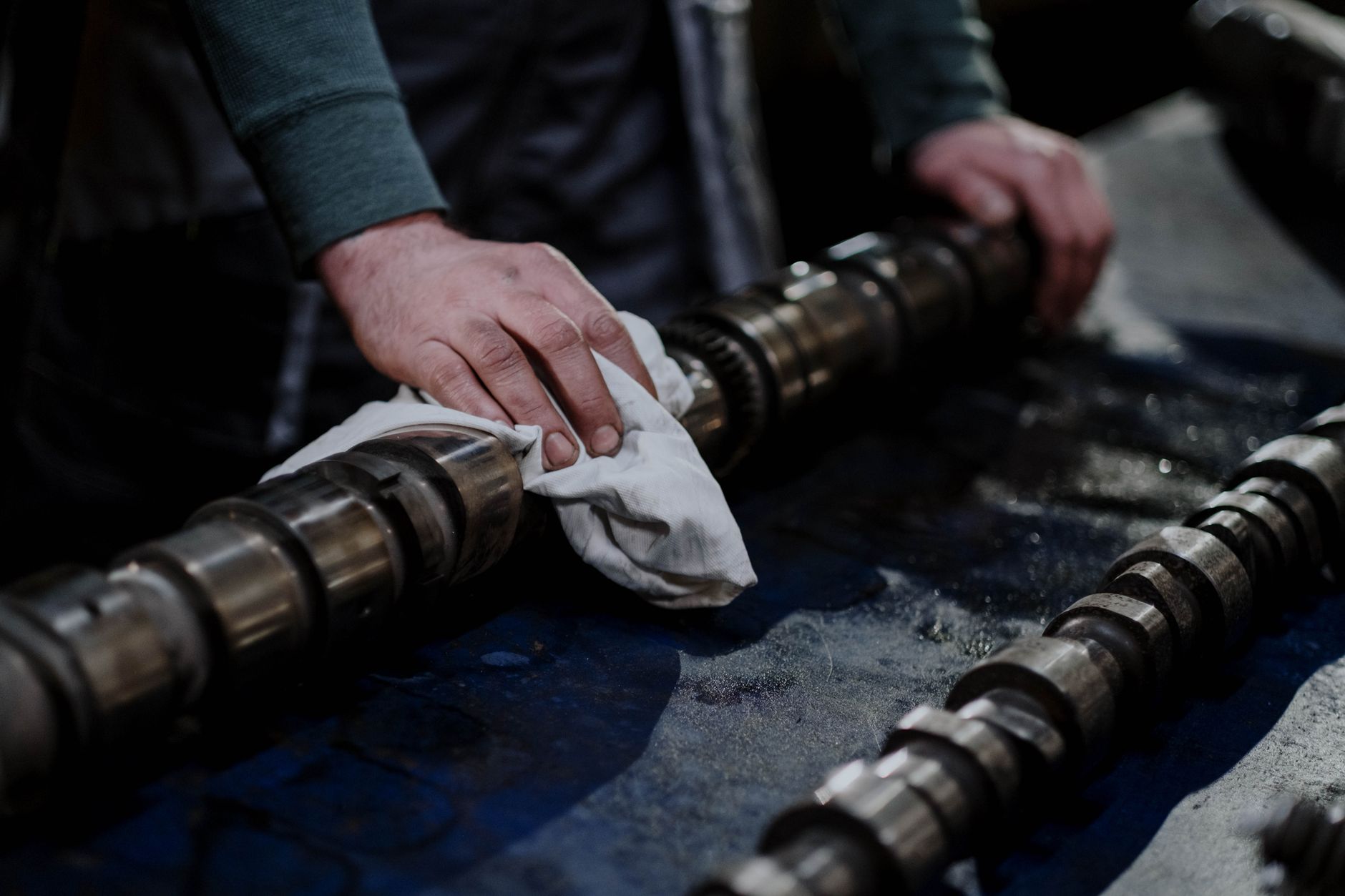
On a production floor that makes precision measurement equipment, some of the least visible jobs are also the most repetitive. Kitting, tapping threads and fitting O rings are short cycles repeated thousands of times across a shift. Each motion looks harmless alone. Over a full shift, the same waist bend and forearm movement adds up, and fatigue builds in the people doing it.
The manufacturer wanted two things at once. Cycle times had to fall, because output per shift is what the line is measured on. The repetitive movements behind operator fatigue also had to shrink, so the work could be sustained by the people doing it day after day.
Product variants complicated the picture. The same task did not take the same time across every product, so any automation had to cope when the work changed from one variant to the next.
Cobot arms placed on three repetitive tasks
Rather than rebuild the whole line, the manufacturer placed collaborative robot arms on three jobs that were repetitive, measurable and physically taxing. A cobot is designed to share a workspace with people, so the arm could work alongside the team on the line. The arm came from the robot supplier and took on kitting, thread tapping and O rings handling.
Keeping people at the center of the change mattered as much as the arithmetic. A cobot helps only when the team trusts it working next to them, and the case frames the gains around operator wellbeing as well as output.
- Kitting of parts
- Thread tapping
- O rings handling
Shorter cycles and lighter strain, per the robot supplier
The robot supplier's account puts the cycle time reduction at approximately 18 to 22 percent. That range is described as varying by product variant, so the saving on any one job depends on what is being built that day.
The same account reports a reduction of more than 60 percent in ergonomic exposure, with particular attention to repetitive waist and forearm movements. The page also describes faster cycle times, more consistent quality and a safer, more ergonomic workplace.
For the people on the line, the more telling gain may be the one a stopwatch misses. Fewer repeated bends and forearm motions across a shift is what keeps a job sustainable, and it is what the manufacturer set out to change.
What a cobot lease could look like for a plant like this
A plant weighing a change like this tends to ask three questions before it asks about cycle time. Which tasks suit a cobot. Which arm and which supplier fit the job. And who keeps the cell running after go live. Service Robot Co. is a full service, OEM neutral integrator for US businesses. We select the right robots across manufacturers, then finance, deploy, integrate, train and service every unit through a nationwide US engineer network, so one partner carries the whole lifecycle.
Our robots are leased. For plants considering cobot leasing for manufacturing, a lease is quoted after a site assessment and comes as one fixed robot lease payment on a three year lease. That keeps a large upfront outlay out of the project, and the engineers who install the cell stay responsible for its service. We start with the work on the floor, not with a catalog.

Frequently asked questions
Want a robot working for you?
Tell us the job and the site. We will recommend the robot, quote the lease, and keep it serviced.