
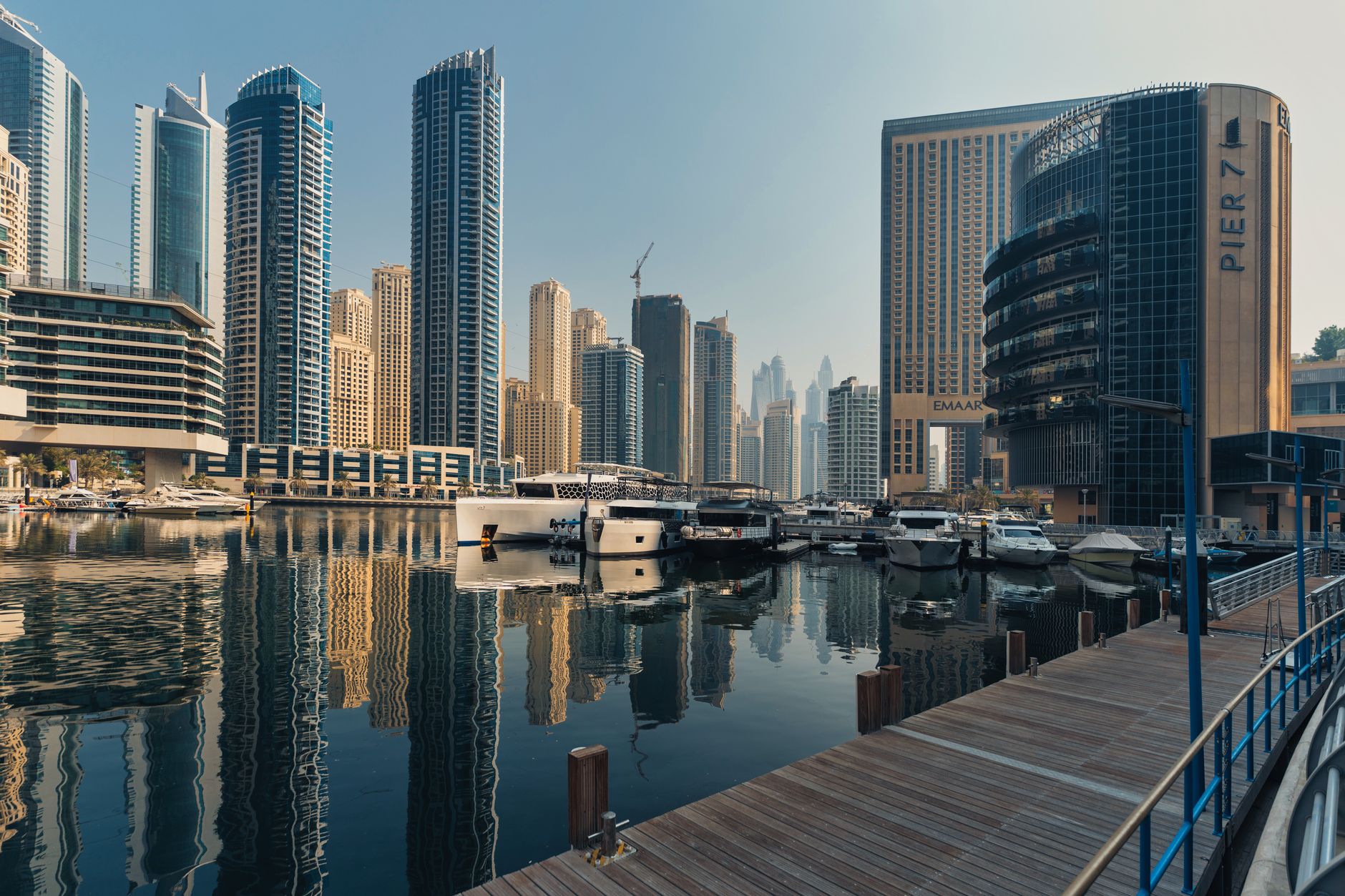
a Mediterranean marina and yacht harbor
Marina Robot Cut Hydrocarbons 40% and Waste 15%
See how a solar surface-cleaning robot helped a Mediterranean marina cut hydrocarbon levels 40%, lower waste concentration 15%, and track water quality.
- 40%
- Lower hydrocarbon levels
- 15%
- Lower waste concentration
- 2,000+
- Water quality analyses
- 1.2+ tons
- Surface waste removed
Based on a documented real-world deployment. Figures are from public reporting; the organization is not named.

The Marina's Pollution-Control Gap
A Mediterranean marina and yacht harbor needed more than periodic skimming. Floating debris and hydrocarbons could gather across the waterline, while conventional cleanup craft risked adding fuel use and exhaust to the very environment the operation was trying to protect.
The operating brief called for persistent collection and credible measurement. Marina staff needed a way to remove surface pollution while building a clearer record of water quality, without turning every sweep into another crewed boat assignment.
- Collect solid and liquid waste at the surface
- Monitor water quality alongside cleanup activity
- Limit reliance on fuel-burning cleanup craft
- Fit pollution control around an active yacht harbor
A Measured Waterline Deployment
The documented program used a 90-day test of complementary pollution-control equipment. Its centerpiece at the surface was a connected, solar, autonomous robot that gathered floating debris and supplied water-quality data as it worked.
That pairing mattered. Collection addressed what crews could see, analysis exposed changes in the water, and public education reinforced responsible behavior ashore. The source does not report the operator-training curriculum or service arrangement, so neither is presented here as a documented part of the rollout.
- Define the surface-cleaning and water-monitoring duties
- Test the equipment in live marina conditions
- Review collected material and water-quality readings
- Pair mechanized cleanup with pollution-awareness work
Cleaner Water, Quantified
The autonomous surface robot completed more than 2,000 water-quality analyses and removed over 1.2 tons of waste. Those outputs show that the marina gained both a collection mechanism and a substantial body of measurements, rather than relying on visual cleanliness alone.
Measured water quality moved in the same direction. Waste concentration fell 15%, while hydrocarbon levels declined 40%. The published account attributes these results to the documented marina program and provides the figures as reported outcomes.
The Operating Lesson for U.S. Marinas

This is a documented real-world example analyzed by Service Robot Co., not a Service Robot Co. client deployment. Its practical lesson is precise: an autonomous cleaning robot earns its berth when collection, monitoring, operating routes, and human oversight are designed as one working system.
For U.S. businesses, Service Robot Co. serves as a vendor neutral robot integrator. The company selects across manufacturers, then manages robot deployment and integration, financing, training, and a robot maintenance service plan through a nationwide engineer network. One partner, one number, for the equipment lifecycle.
Procurement can match the operating case through commercial robot leasing, robot leasing for business, or purchase or lease. A leasing structure with monthly payment programs can keep RoboCare™ service, while a free site assessment and robot pilot program give operators evidence before broader adoption.