
a regional marine and powersports parts distributor in the southeastern United States
How a Marine Parts Distributor Hit 300 Picks an Hour With Goods-to-Person Storage
A southeastern marine and powersports parts DC mixed cube storage with mobile robots for bulky lines, reaching about 300 picks per hour per port and 22,500 picks in one shift.
- 300
- picks per hour per port
- 22,500
- picks in one 8-hour shift
- 100,000
- active SKUs in catalog
- 15 min
- fast AS/RS order cycle
Based on a documented real-world deployment. Figures are from public reporting; the organization is not named.
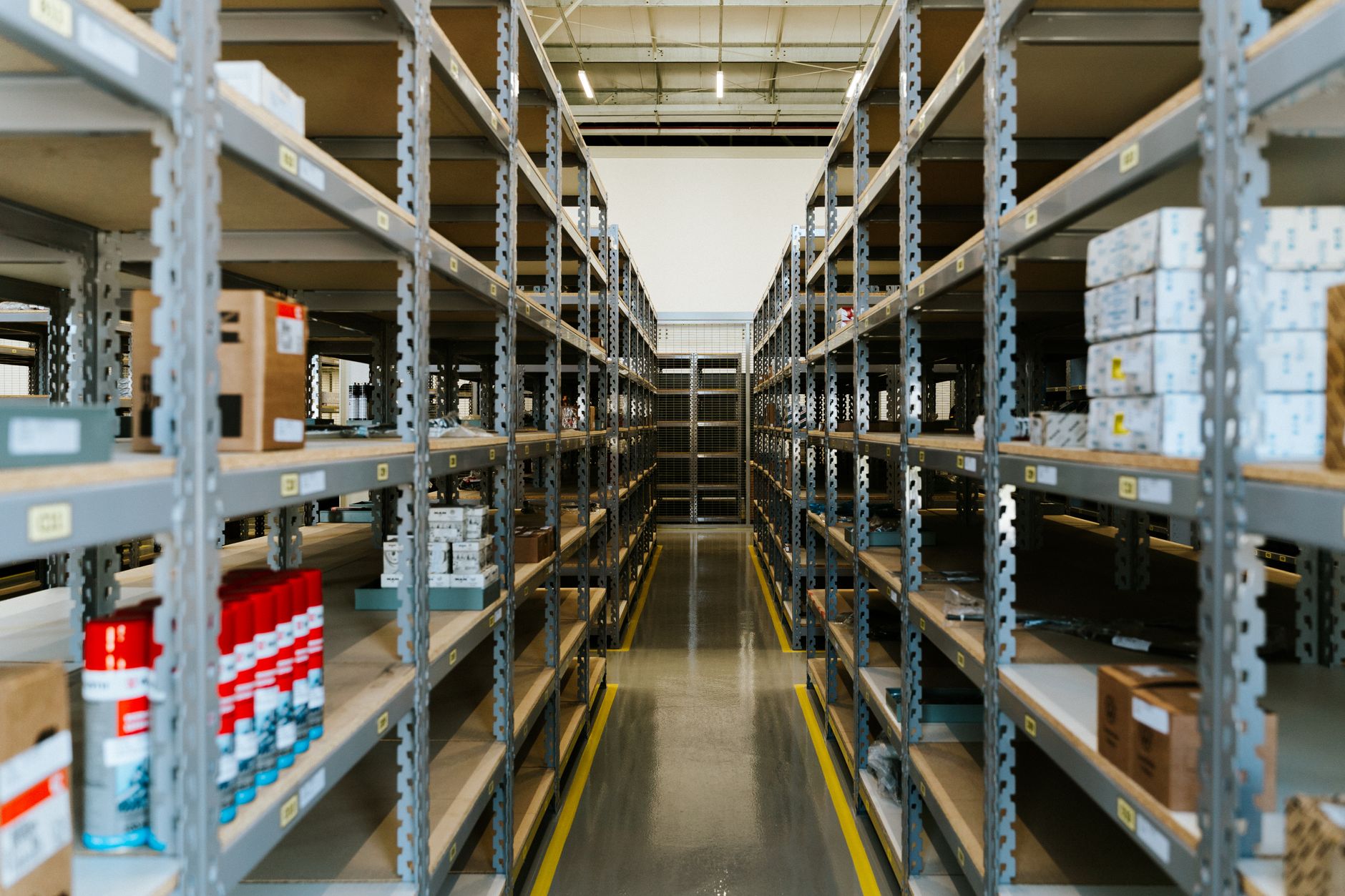
High SKU count and mixed product sizes
The distributor serves marine and powersports dealers with a catalog near 100,000 SKUs and far more unique items over a year. Small parts, accessories, and bulky equipment share one building, so pick paths and storage density both matter.
Manual walks through wide aisles could not keep pace with e-commerce release times. Larger goods needed separate handling from dense each picks, without splitting customer orders across slow handoffs.
- Multi-line orders with many small lines per shipment
- Oversized items that cannot live in dense automated storage
- Peak staffing near 90 associates on a single weekday shift
Cube storage, mobile transport, and execution software
Leadership paired a goods-to-person automated storage and retrieval grid for compact lines with conventional rack storage for oversized stock. A fleet of ten autonomous mobile robots moves bulky cart loads between storage, consolidation, and pack stations so pickers stay at workstations.
Receiving sorts inbound eaches into bar coded totes matched to bin formats before replenishment into the grid. A site-built warehouse management and execution layer directs putaway, picking, and consolidation so receivers and pickers follow one rule set.
Sixteen goods-to-person pick ports feed most lines into corrugated trays bound for automated void reduction and bagging lanes. About eighty-three percent of order lines fit those trays; the rest flow to manual packout or on-demand carton forming before parcel sortation.
- Four inbound doors feeding receiving workstations on a conveyor loop
- Fifteen replenishment ports and sixteen pick ports on the cube system
- Putwall consolidation for lines picked from rack and mobile robot carts
Measured pick rates and cycle times
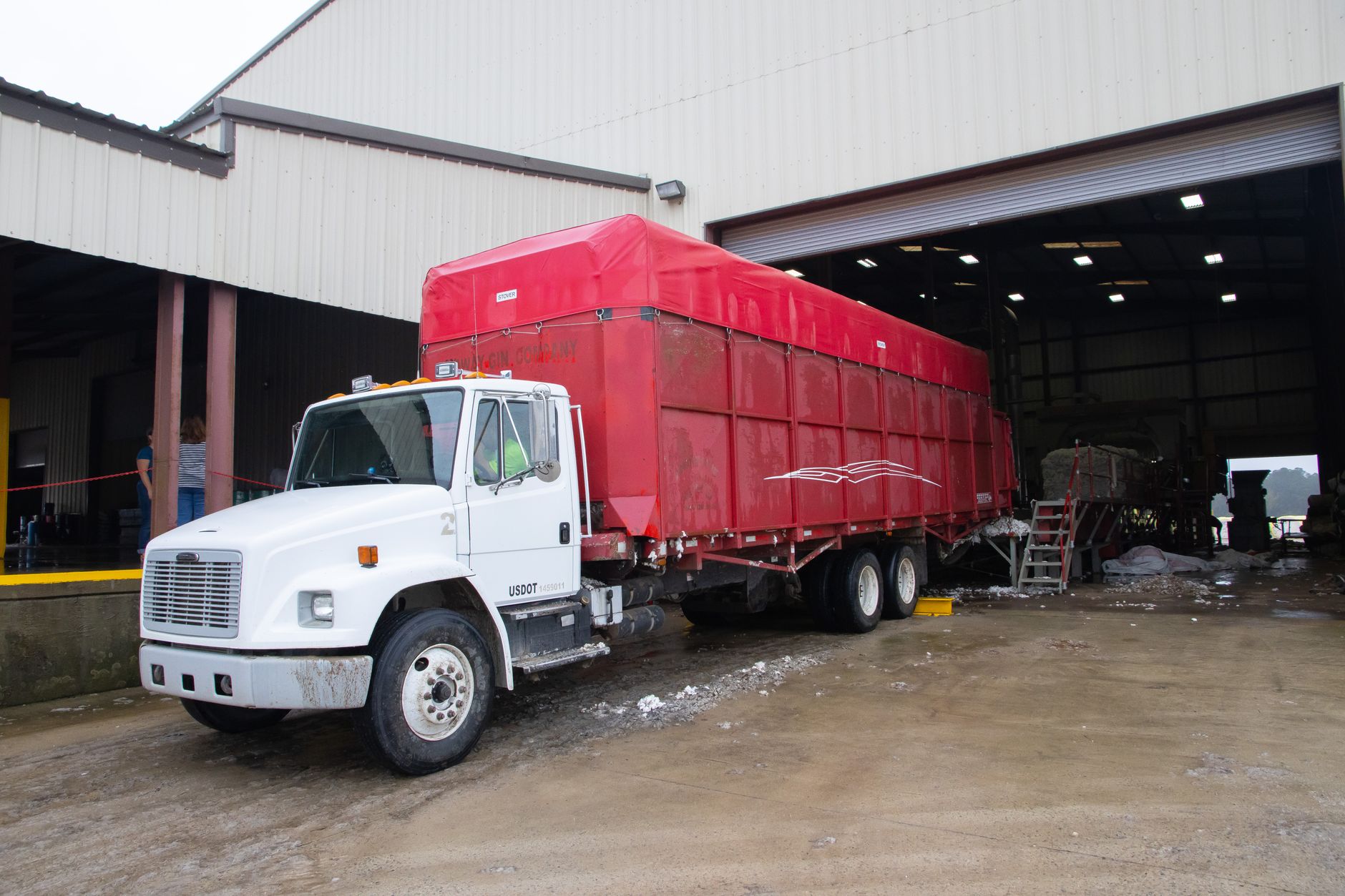
Goods-to-person picking for multi-line orders averages about three hundred picks per hour at each port, with single-line work running faster. Across one eight-hour shift, Monday through Friday, the site processes on the order of twenty-two thousand five hundred picks.
Orders that draw only from automated storage can move from release to packed parcel in about fifteen minutes. Orders that include larger rack picks still typically finish within an hour, including consolidation at the wall and outbound sortation to carrier docks.
What this pattern means for your operation
This deployment was executed by the distributor and its integration partners. Service Robot Co. did not run this project. We study published outcomes so buyers can compare realistic throughput against their own SKU mix and shift model.
If your parts business mixes dense each picks with bulky lines, a vendor-neutral integrator can shortlist cube storage, mobile robots, and execution software, then finance, deploy, train, and service the fleet through one U.S. contact. Monthly rental and pilot paths let you prove pick rates before you scale port count.