a Japanese disposable-mask manufacturing plant
How a Mask Factory Raised Monthly Output Sixfold With Delta Pick-and-Place Robots
A Japanese mask plant used delta pick-and-place robots to pass nine million masks monthly, up from 1.5 million, and cut internal transport staff from ten to one.
- >9M
- Masks monthly
- 6x
- Capacity gain
- 10 to 1
- Transport staff
- 24/7
- Robot runtime
Based on a documented real-world deployment. Figures are from public reporting; the organization is not named.
Manual steps could not keep pace with PPE demand
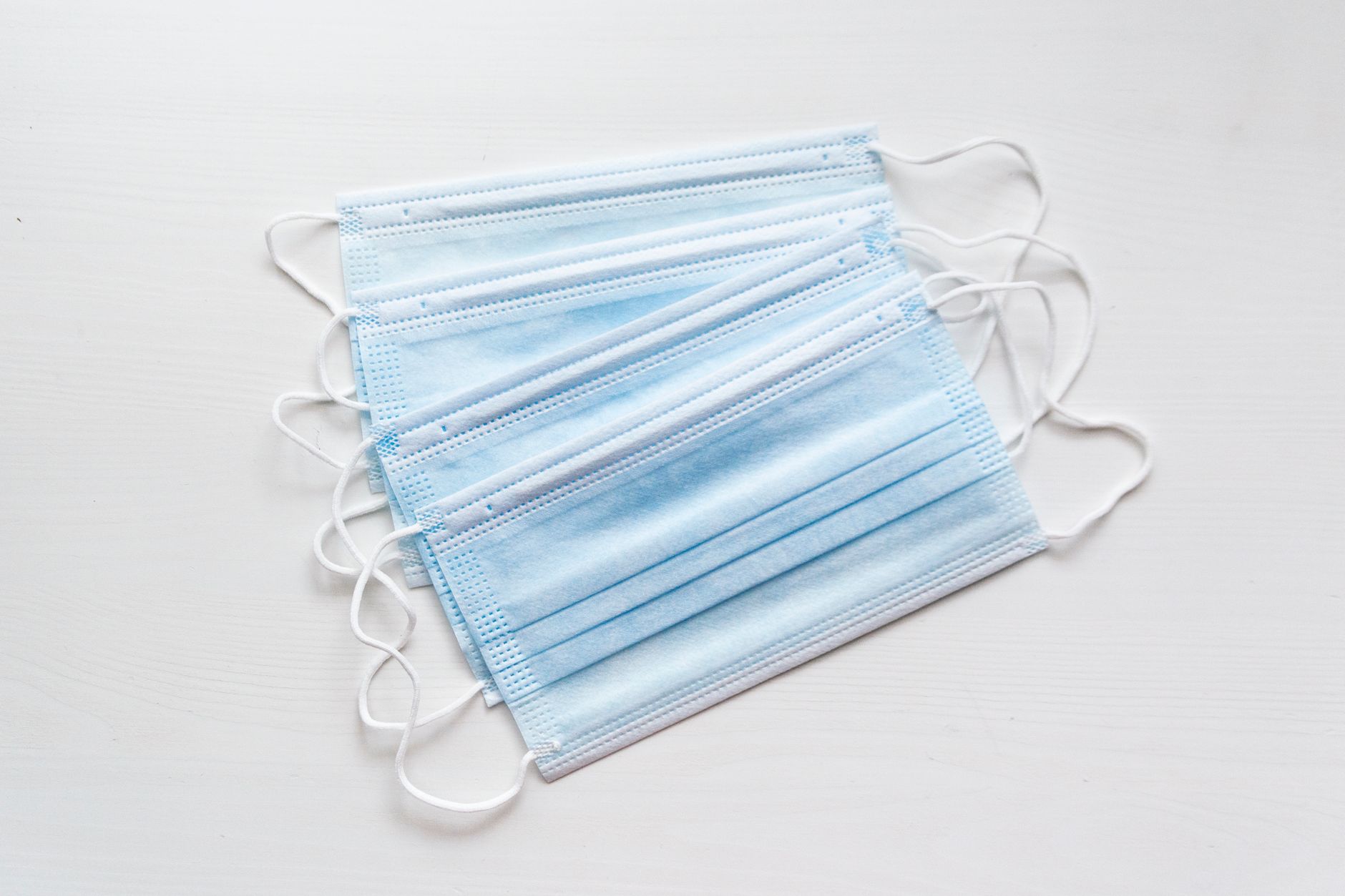
A Japanese disposable-mask manufacturing plant launched mask production when personal protective equipment shortages spread worldwide. Early output relied on intensive manual work across cutting, stacking, creasing, wire and strap attachment, inspection, wrapping, and boxing.
That labor-heavy flow stretched lead times, piled up in-process inventory, and produced frequent defects. Initial capacity sat near 1.5 million masks per month while orders climbed past 2 million, so the line needed a step change rather than more overtime.
- Manual cutting and stacking slowed every lot
- Defects rose with hand inspection limits
- Orders outran 1.5 million monthly capacity
Full-line automation from vision inspection to shipment pack
Leaders automated the full mask path: non-woven fabric cutting and layering, nose-wire and ear-loop attachment, camera-based defect checks, individual vinyl wrapping, and case packing for outbound freight.
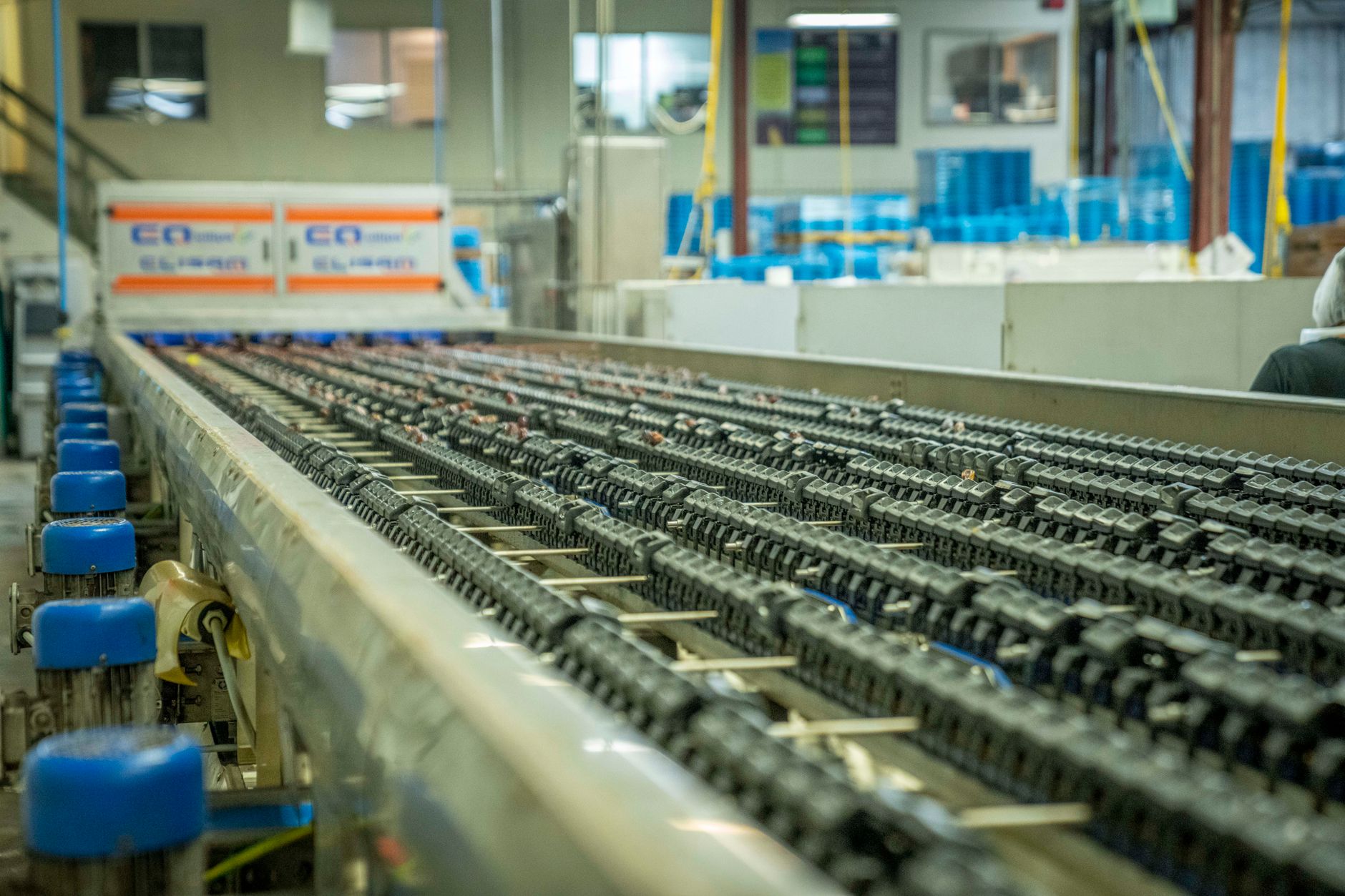
High-speed delta pick-and-place units took over repetitive moves between stations and ran around the clock. Transport between process islands shrank from a ten-person crew to a single operator once robots owned the handoffs.
- Automate cut, crease, and assembly stations
- Add camera inspection before individual wrap
- Deploy delta robots for inter-station moves
- Run cells continuously to absorb demand spikes
Monthly volume passed nine million with leaner staffing
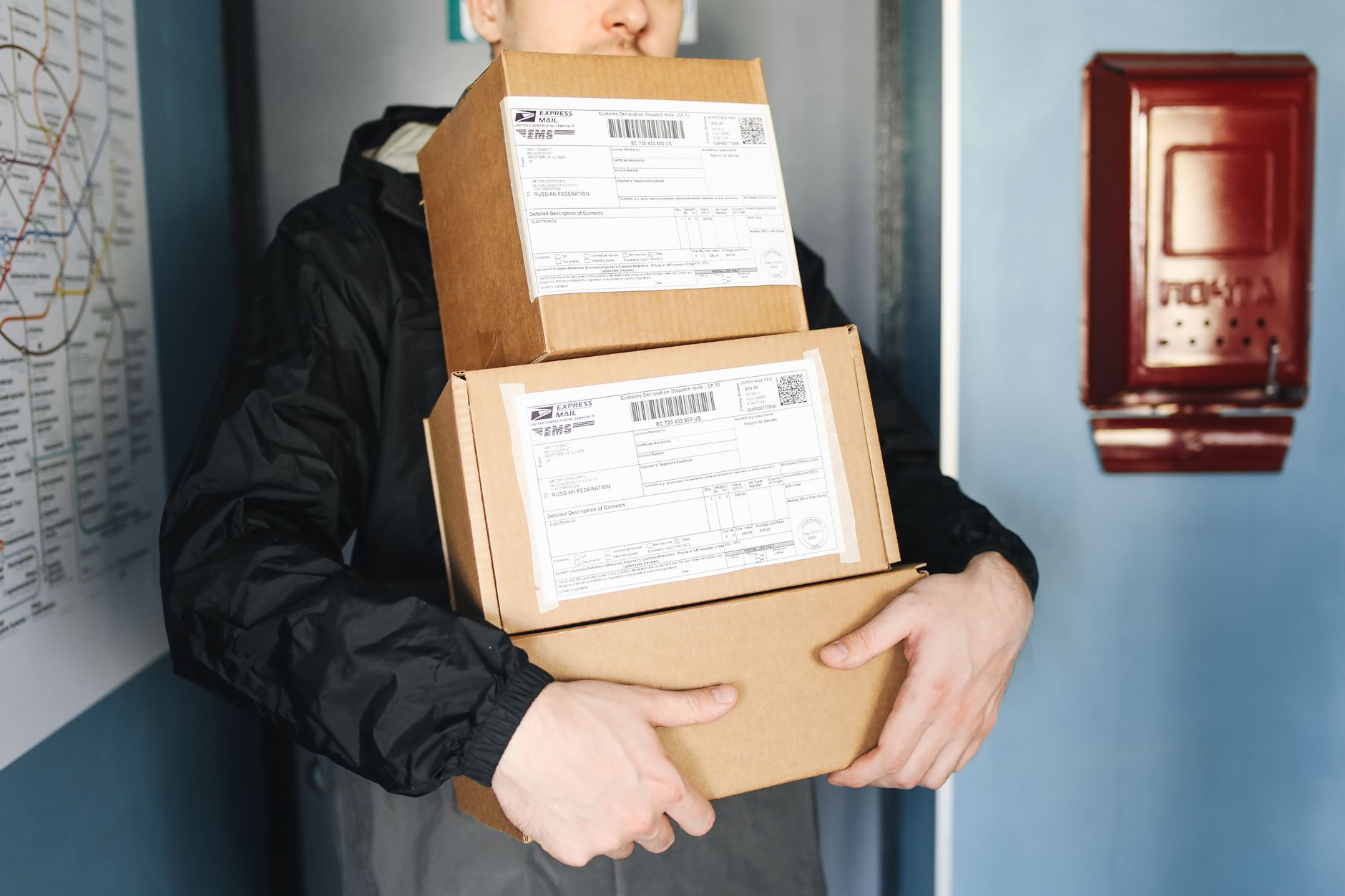
After the first automation wave, the plant reported roughly 2 to 3 million masks per month. Further line tuning pushed output beyond 9 million masks monthly, a sixfold lift from the original 1.5 million baseline.
Delta robots operating 24 hours a day sustained the higher cadence. Transport labor fell from ten people to one, which freed staff for exception handling instead of endless tote moves.
What medical consumables plants can borrow
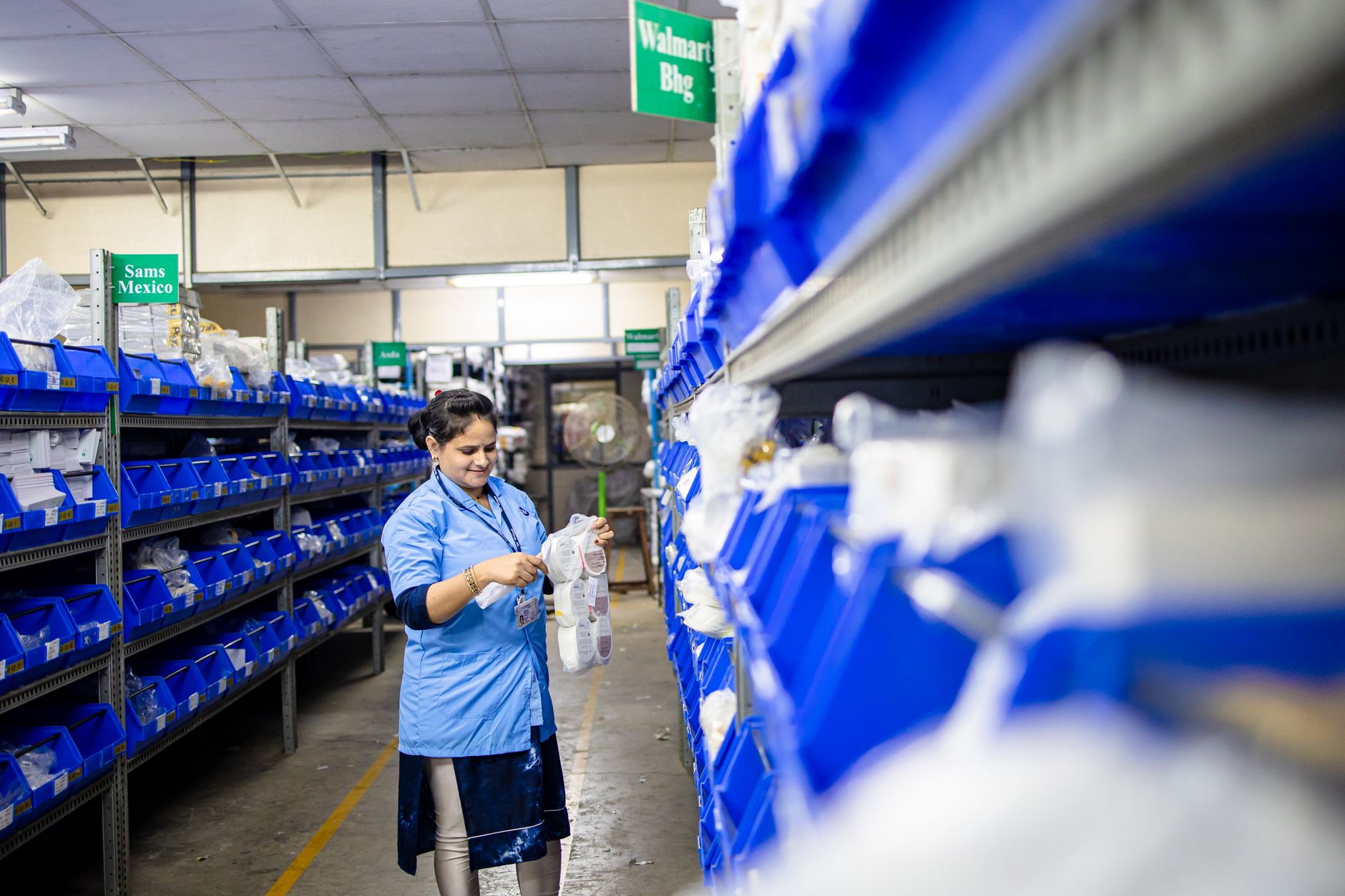
Surging SKU demand punishes lines that still depend on manual inspection and packing. A vendor neutral integrator can match delta pick-and-place cells to your layout, then finance, deploy, and service them through a nationwide network of regional service engineers.
Month to month robot lease or pilot programs let you prove one packaging island before you automate every wrap station. Service Robot Co. maps cycle time, trains leads, and keeps one partner for integration and emergency dispatch.