
a three-story, 70,000-square-foot mixed-use medical construction project
Construction Layout Robot Cuts Rework 75% on Medical Project
See how coordinated field printing cut rework 75%, accelerated layout 50%, saved 6,864 labor-hours, and compressed a medical build schedule.
- 75%
- less rework
- 50%
- faster layout
- 6,864 hrs
- labor saved
- 3+ months
- schedule compressed
Based on a documented real-world deployment. Figures are from public reporting; the organization is not named.
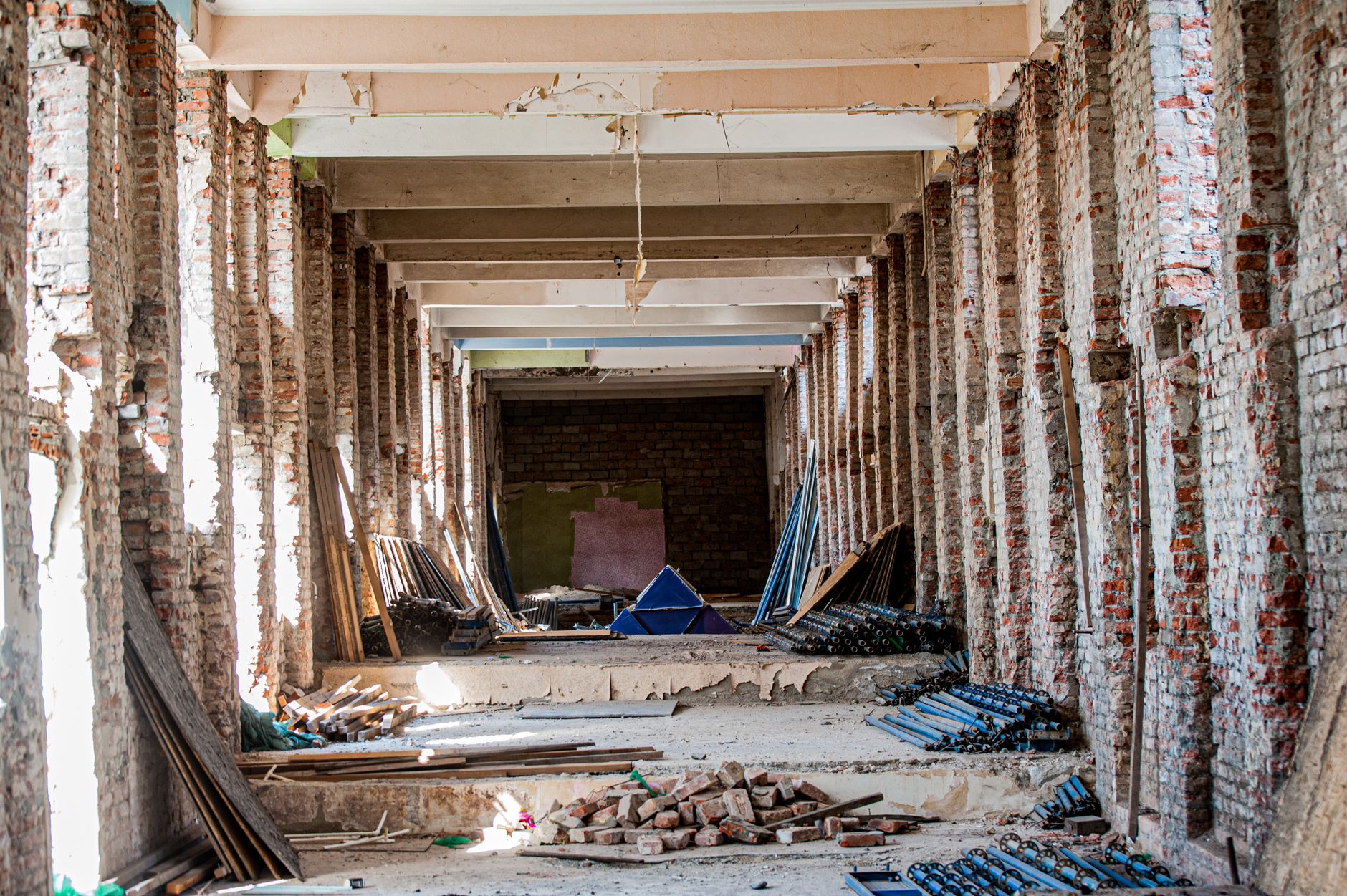
Fragmented Layout Was Creating Field Risk
On a three-story, 70,000-square-foot mixed-use medical construction project, drywall and mechanical, electrical, plumbing, and other trade layouts had to converge in the same physical space. When each discipline establishes its marks separately, conflicts can surface only after crews begin building.
Repeated measurement also consumes skilled field time and creates more opportunities for discrepancies between plans and installed work. The project needed a common layout reference that trade partners could read directly on the construction surface.
- Separate trade layouts increased the risk of field conflicts.
- Repeated measurement absorbed labor that could be applied to installation.
- Late layout discrepancies threatened downstream work and the broader schedule.
One Coordinated Pass Put the Plan on the Floor
The project team used a construction layout robot to print drywall, mechanical, electrical, plumbing, and other trade information directly onto the jobsite surface. Instead of laying out each discipline in isolation, the robot placed coordinated multi-trade information in a single pass.
That printed reference became a shared source of truth for trade partners. The documented account reports that this method eliminated layout bottlenecks and conflicts while increasing layout speed.
The published record does not disclose the selection process, a phased rollout, operator training details, or the service arrangement. Those elements should therefore be treated as project-specific deployment decisions, not retroactively added to the reported case.
- Bring relevant trade layout information into a coordinated field-printing workflow.
- Print the multi-trade layout directly onto the construction surface in one pass.
- Give trade partners a common physical reference for subsequent installation work.

Faster Layout Carried Into the Broader Schedule
The reported results were substantial: layout ran 50% faster with 100% layout accuracy, while rework fell 75%. The project also recorded 6,864 labor-hours saved.
The effect reached beyond the layout activity itself. By removing bottlenecks and trade conflicts, the coordinated field-printing process helped compress the construction schedule by more than three months.
These figures describe this documented project, not a universal performance guarantee. Site geometry, trade coordination, digital model quality, access, and deployment discipline can all influence results on another jobsite.
What Contractors Can Carry Into Their Next Deployment

This case shows why robot deployment and integration must begin with the workflow, not a favored machine. Layout speed mattered, but the larger gain came from giving several trades one coordinated field reference and reducing the costly chain reaction caused by discrepancies.
Service Robot Co. is a full-service, OEM-neutral commercial robot integrator for US businesses. We assess the application, select suitable equipment across manufacturers, arrange financing, deploy and integrate each unit, train the team, and provide robot maintenance service through a nationwide US engineer network.
For contractors considering a commercial robot demo or robot pilot program, that lifecycle coverage keeps technical selection, go-live support, remote triage, on-site dispatch, and continuing service under one vendor. It is one partner and one number from initial assessment through field support, without implying that Service Robot Co. ran the deployment documented here.