a 31,029-square-foot medical research laboratory project in California
Medical Lab Layout Ran Nine Times Faster With 36% Cost Reduction
See how robotic layout marked 2,315 feet of drywall track nine times faster, removed eight days from the task, and reduced layout cost by 36%.
- 9x
- faster than manual layout
- 8 days
- removed from layout
- 36%
- lower layout cost
- 1 operator
- ran robotic layout
Based on a documented real-world deployment. Figures are from public reporting; the organization is not named.
A Dense Layout Scope With No Room for Drift
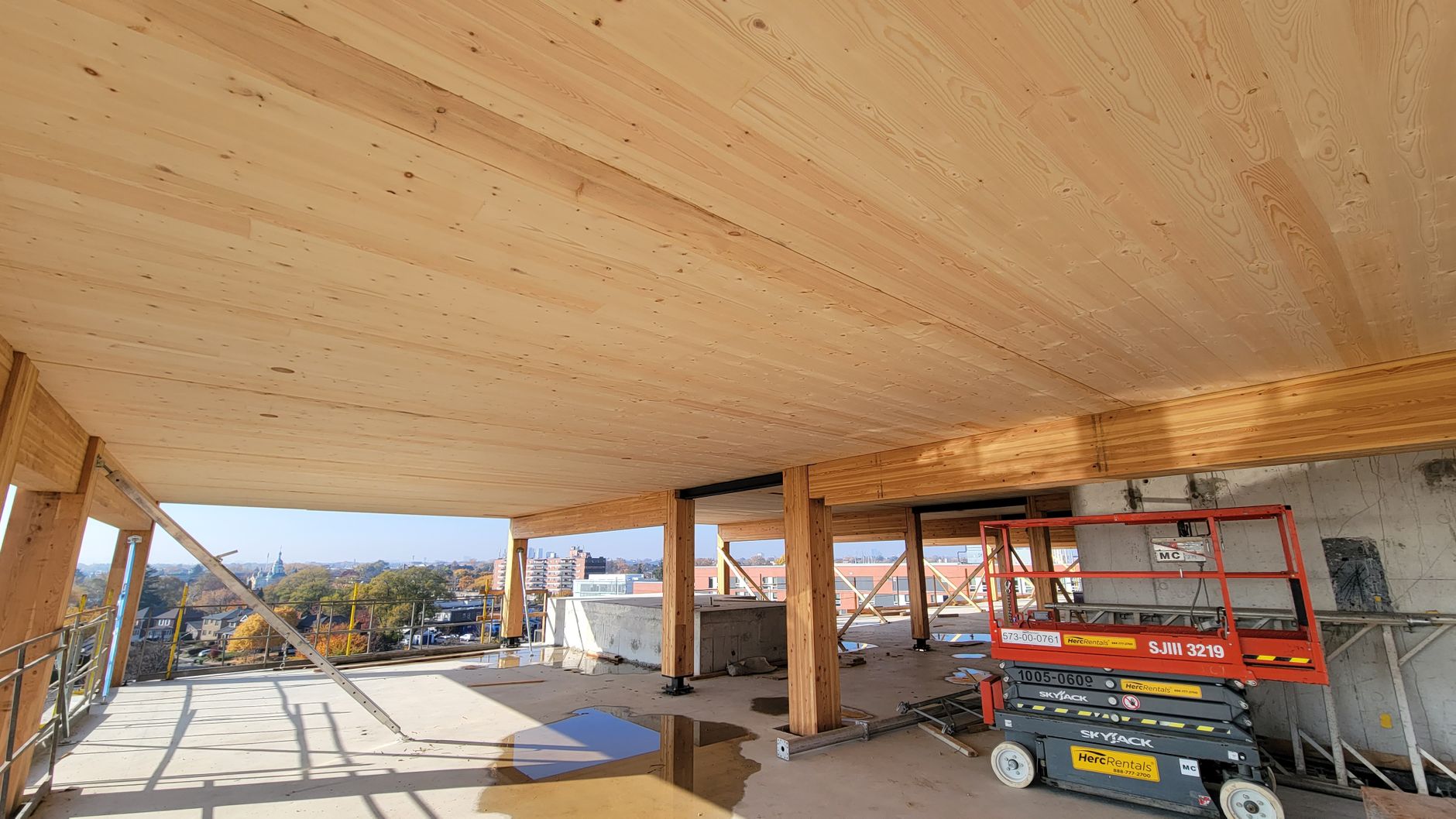
A 31,029-square-foot medical research laboratory project in California required 2,315 feet of drywall track to be marked accurately. The track layout served a two-story tilt-up structure where unconventional wall lines had to integrate with MEP and HVAC systems.
The conventional plan carried a heavy schedule burden. The contractor estimated 75 hours of manual layout, nearly two weeks of full-time work for a two or three-person crew, before installation labor could fully move onto track.
- Mark drywall track precisely across coordinated interior spaces.
- Keep wall lines aligned with MEP and HVAC requirements.
- Avoid holding installation labor at the layout stage.
- Preserve the project timeline while controlling layout cost.
A Focused Robotic Layout Deployment
The contractor narrowed automation to a defined field task: printing drywall track locations for the 2,315-foot layout scope. A single technician managed robotic layout, replacing the conventional two or three-person marking workflow.
That labor reassignment mattered as much as print speed. While one operator laid out the track, the other two workers could begin installation, turning layout from a gate into a rolling handoff.
The published record documents field execution and measured results, but it does not specify the procurement route, pilot length, operator training syllabus, or service contract. For comparable sites, those details should be fixed before a repeatable robot deployment and integration program begins.
- Select a bounded scope where manual time, crew demand, and the installation handoff can be measured.
- Start with a pilot on approved track layout before expanding to more areas.
- Train the operator on setup, file preparation, field controls, and verification.
- Define go live support and service response before production.
Layout Became a Schedule Pull, Not a Queue
The robotic method completed the layout in 8.5 hours versus an estimated 75 hours manually. The published case study classifies that performance as 9x faster and says it removed eight days from the layout task.
Reported layout cost fell 36% compared with the manual method. The source notes that its time and cost estimates use regional industry averages, while the robotic scenario uses equipment telemetry. The outcome is a project-specific benchmark, not a universal guarantee.
The crew effect rippled beyond layout. One operator kept the markings moving while two coworkers started installing track earlier, pulling the drywall trade forward rather than waiting for the full layout scope to finish.
From a Strong Result to a Repeatable Operating Model
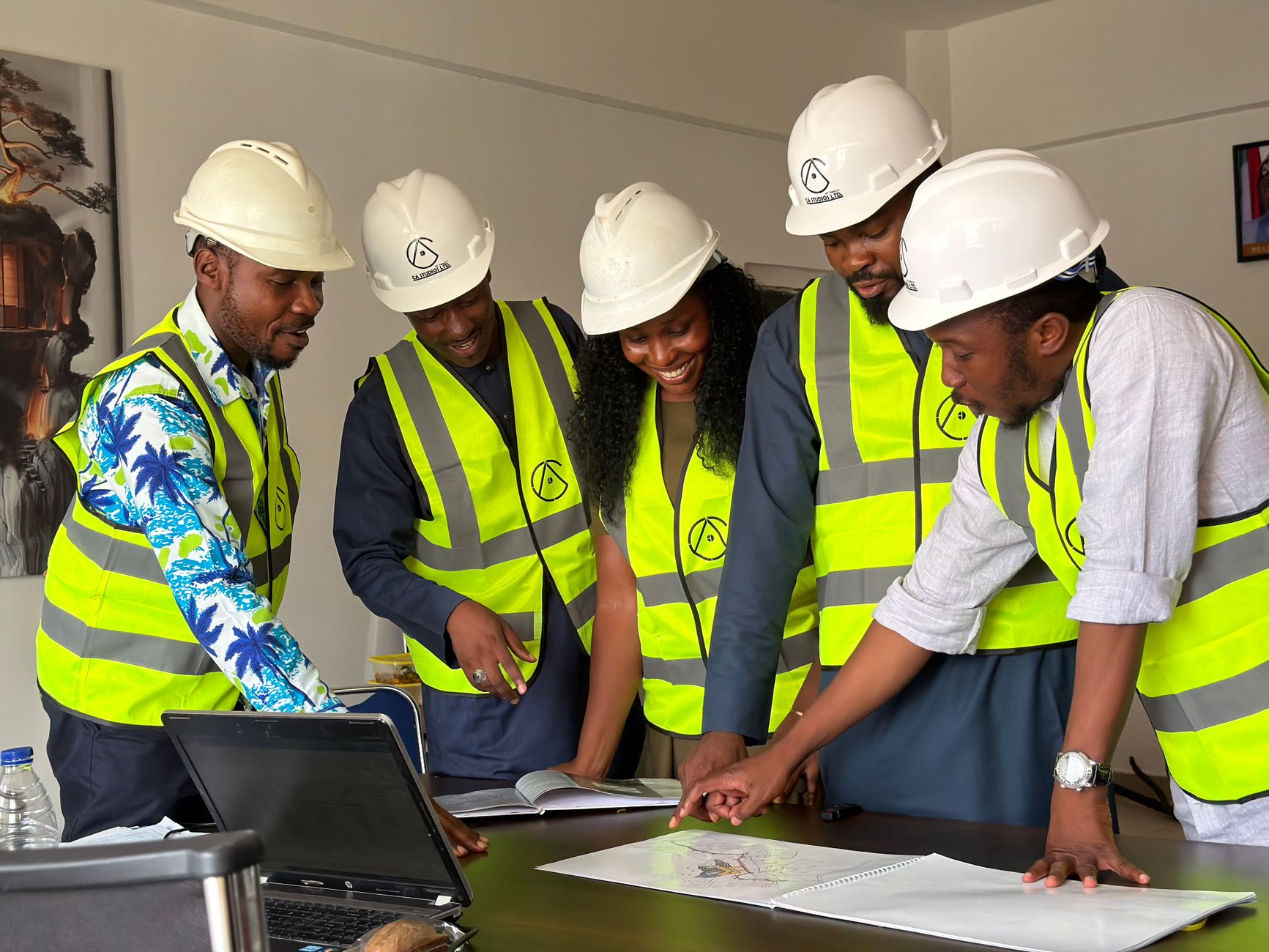
This example shows that construction layout robots can create value in two places at once: faster marking and earlier downstream work. The operational gain came from changing crew sequencing, not merely substituting a machine for a manual marking routine.
Service Robot Co. is a full-service, OEM-neutral commercial robot integrator for US businesses. We select equipment across manufacturers, then finance, deploy, integrate, train, and service every unit through a nationwide US engineer network. Contractors get a single accountable vendor for the whole lifecycle.
That model can pair site assessment mapping with a commercial robot demo or robot pilot program, operator training, go live support, and ongoing service under one operating plan. Robot leasing for business and monthly payment programs can be evaluated against project volume and utilization, including whether maintenance is included. Service Robot Co. did not run the deployment analyzed here.