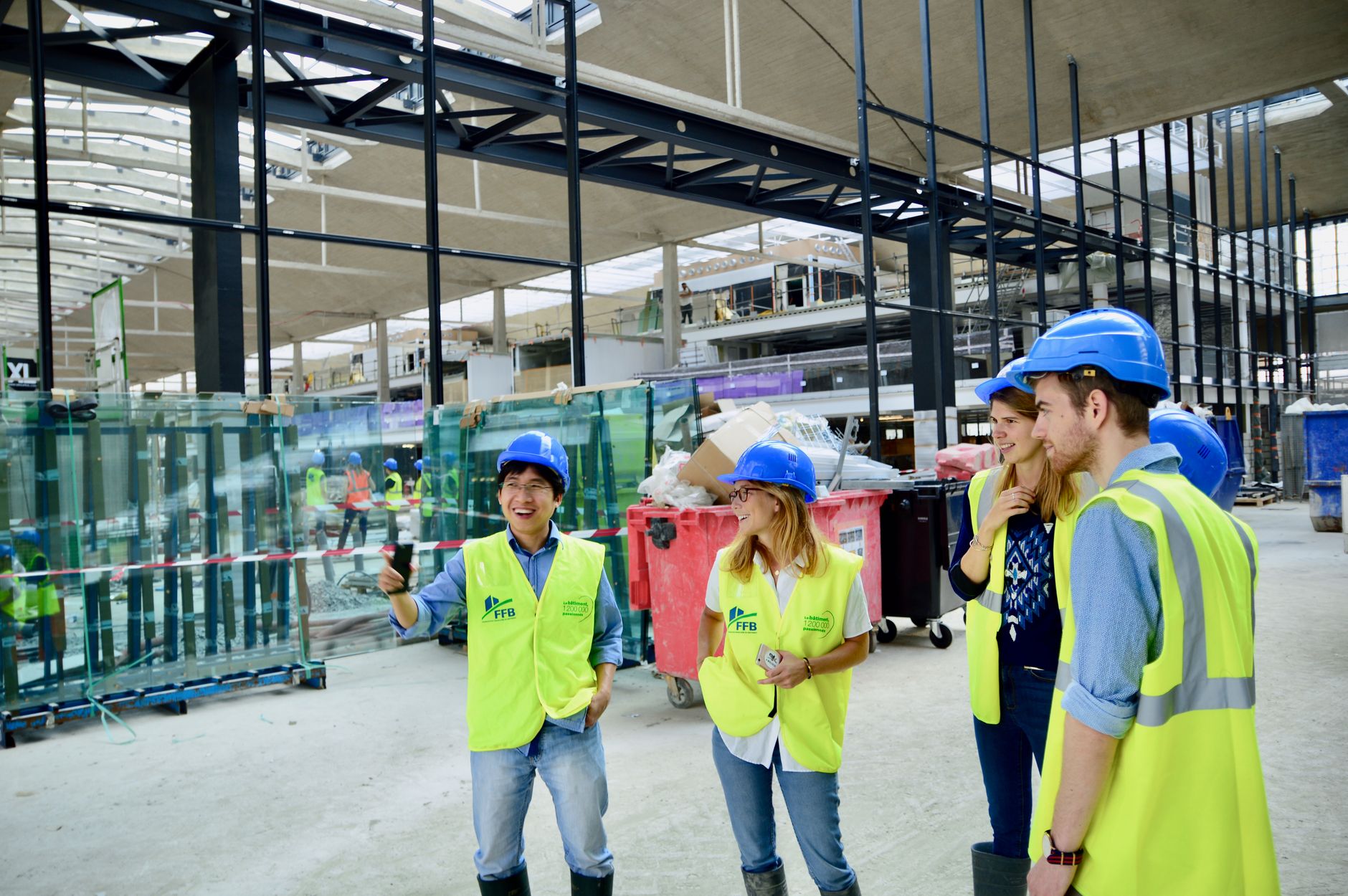
an eight-story medical-office construction project in Los Angeles
Autonomous Layout Cuts Labor Hours 68% and Rework 96%
See how autonomous multi-trade layout cut labor hours 68%, shortened layout duration 18%, and reduced rework 96% on a Los Angeles medical-office build.
- 68%
- fewer labor hours
- 18%
- shorter layout duration
- 96%
- less rework
- 0.25%
- robotic rework rate
Based on a documented real-world deployment. Figures are from public reporting; the organization is not named.

Four trades, one unforgiving layout
At an eight-story medical-office construction project in Los Angeles, drywall, mechanical, electrical, and plumbing crews would traditionally establish their own marks. Each handoff carried the risk that a small discrepancy would travel downstream into framing or building systems.
Manual layout also depends on experienced pairs working from control points, total stations, chalk lines, tape, and drawings. The work demands repeated bending and kneeling, while congestion, debris, weather, and competing site activity can interrupt progress.
The study needed a fair comparison without pretending it had observed both methods on the same floors. Robotic performance came from site observations, operator interviews, and system reports, while the manual scenario drew on contractor records, trade estimates, and historical experience.
- Unify drywall and building-system layout without losing trade-specific detail.
- Catch coordinate and design conflicts before marks reach the slab.
- Preserve safe clearances around shafts, edges, columns, and active work.
- Measure labor, duration, quality, and physical strain under real jobsite conditions.
Coordinate first, print floor by floor
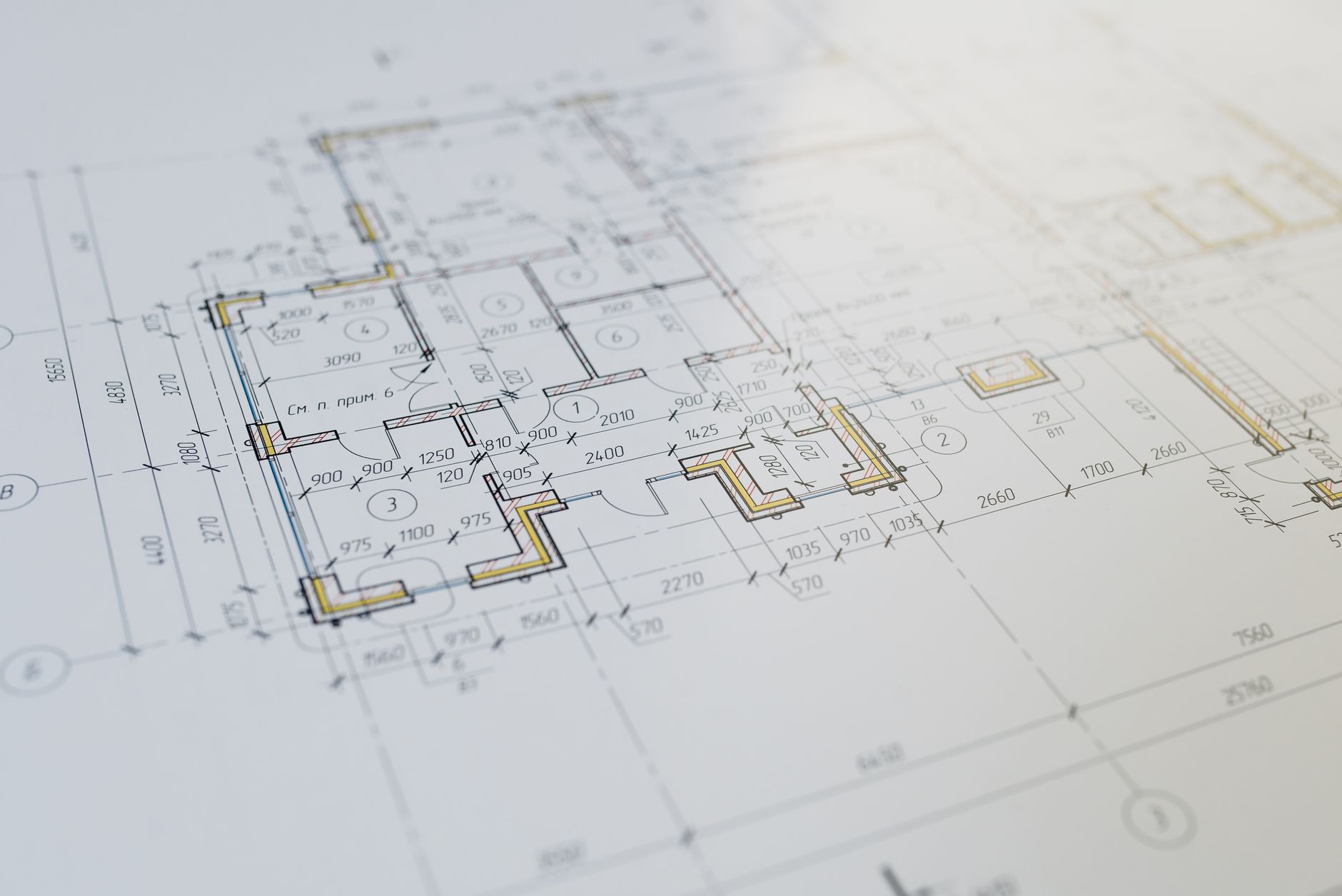
The team assessed task feasibility, then prepared the autonomous layout robot for multi-trade printing. Trade files were checked, combined into a single floor layout, and reviewed by the site superintendent so conflicts could be resolved before field printing.
Rollout began with operator training on the first floor. Four layout-experienced workers trained over one week, two stayed to operate the equipment on the project, and the workflow then advanced floor by floor.
On site, the operator cleared the print area, uploaded the file, calibrated the total station to control points, and defined safe boundaries. A second worker checked the output and applied clear coat, while areas blocked by obstructions or fall hazards returned to the trades for manual layout.
- Finalize drywall, mechanical, plumbing, and electrical layout data.
- Check coordinates and combine trade files before field release.
- Train operators on the first floor and carry the process upward.
- Calibrate against established control points and protect exclusion zones.
- Review printed work, report exceptions, and preserve the marks.
Less field effort, sharply lower rework
The study estimated total layout labor at 824.2 hours with the robot, compared with 2,500.58 hours for the modeled manual method. That is the reported 68% reduction in labor hours.
Start-to-end layout duration fell from an estimated 96.79 working days to 79.4 working days, an 18% reduction. Under the study assumptions, rework dropped from 6.42% to 0.25%, which the researchers reported as a 96% reduction.
The robotic work recorded one rework event after a drywall file arrived in the wrong coordinate system. The file was realigned and reprinted, with no further robotic rework found on the remaining project. The result underscores a hard boundary: automation reproduces the information it receives, so file governance remains critical.
From documented evidence to a deployable program
This is an independent, documented example that Service Robot Co. analyzes. Service Robot Co. did not run this deployment, and the findings should not be presented as a customer result or a promise for another site.
For a contractor considering robot deployment and integration, the operational lesson is clear: hardware selection is only one part of the job. File readiness, survey control, trade buy-in, operator training, site sequencing, and service coverage determine how much value reaches the field.
Service Robot Co. is a full-service, vendor neutral robot integrator for US businesses. We select equipment across manufacturers, arrange commercial robot leasing, robot leasing for business, or purchase financing, then deploy, integrate, train, and service every unit through a nationwide US engineer network. One vendor carries the whole lifecycle.