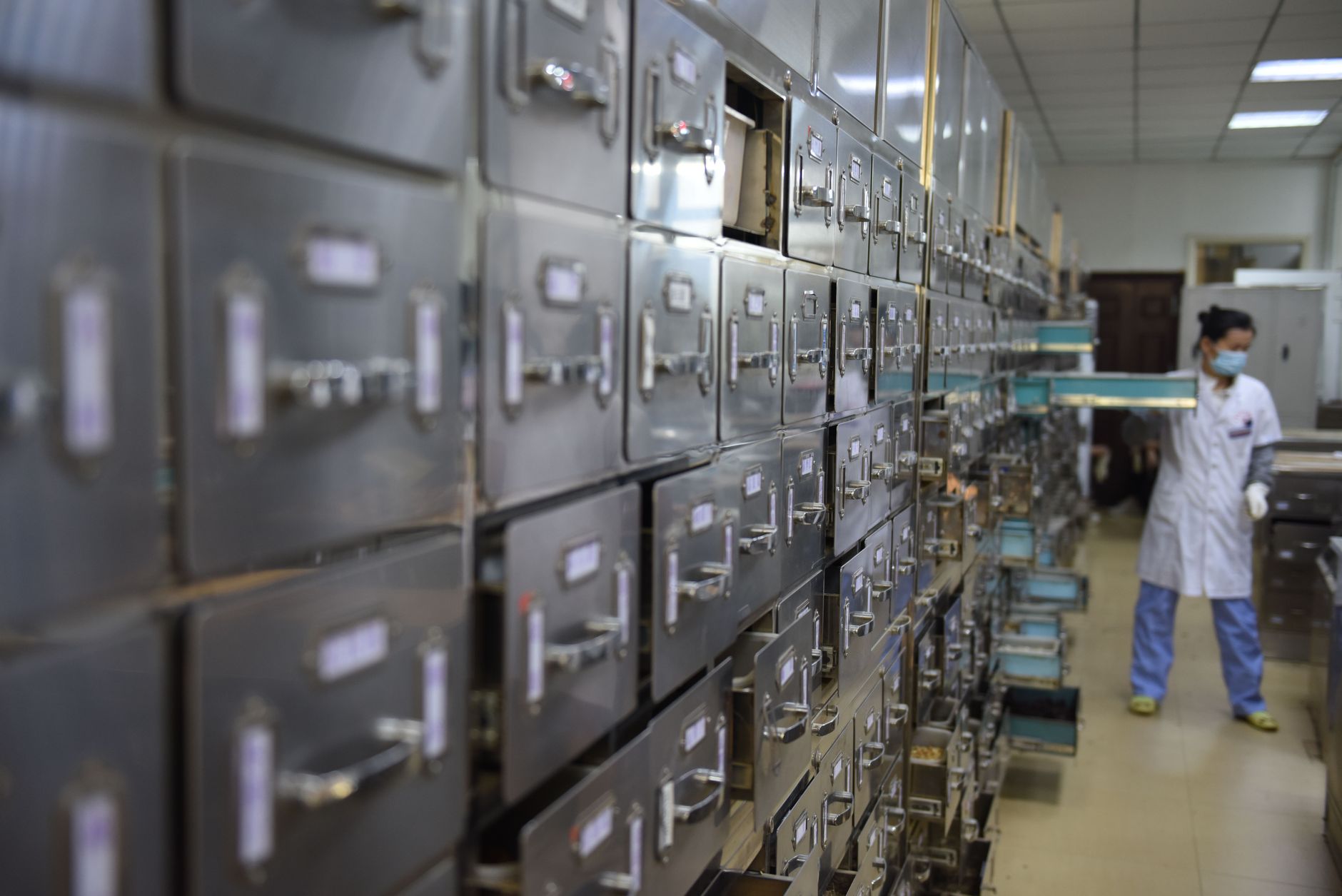
a 280,000-square-foot consolidated medical equipment repair center in the Midwest
How a Medical Repair Mega-Center Gained 66% More Productive Floor Space With AMRs
A consolidated Midwest medical equipment repair hub replaced batch cart pushes with on-demand AMRs, shrinking repair cells 40% while supporting 2,000+ weekly repairs.
- 66%
- More floor space
- 40%
- Smaller cells
- 2,000+
- Weekly repairs
- 280K sf
- Repair hub
Based on a documented real-world deployment. Figures are from public reporting; the organization is not named.

Batch cart moves starved shipping and floor space
A 280,000-square-foot consolidated medical equipment repair center in the Midwest had merged multiple U.S. repair sites into one high-volume hub. Technicians repaired imaging and patient-care devices that hospitals could not afford to leave offline long.
Material handling still relied on batch-pushed carts. Finished units waited on the nearest cart while other equipment types were collected, so trips to shipping stretched with mix and priority. Bulky carts and fixed lanes also ate aisle space and capped how many repair cells could fit on the floor.
- Cart batching delayed finished repairs
- Non-conveyable parts changed daily
- Floor space lost to manual move gear
- Lean goals clashed with growing volume
On-demand AMRs with pull-based moves
Leadership wanted moves triggered when a technician finished work, not when a cart filled. Heavy-duty autonomous mobile robots with fleet software now answer those calls without magnetic strips or fixed conveyors, so routes can shift as daily repair mix changes.
When a technician completes a unit, they summon a robot that arrives with the next part to repair and carries the finished unit straight to shipping. Flexible load fixtures handle differently sized, non-conveyable assemblies that vary every shift.
- Summon robots at repair completion
- Swap-in next part during pickup
- Direct finished units to shipping
- Route flexibility without floor tape
- Software logs moves for later analysis
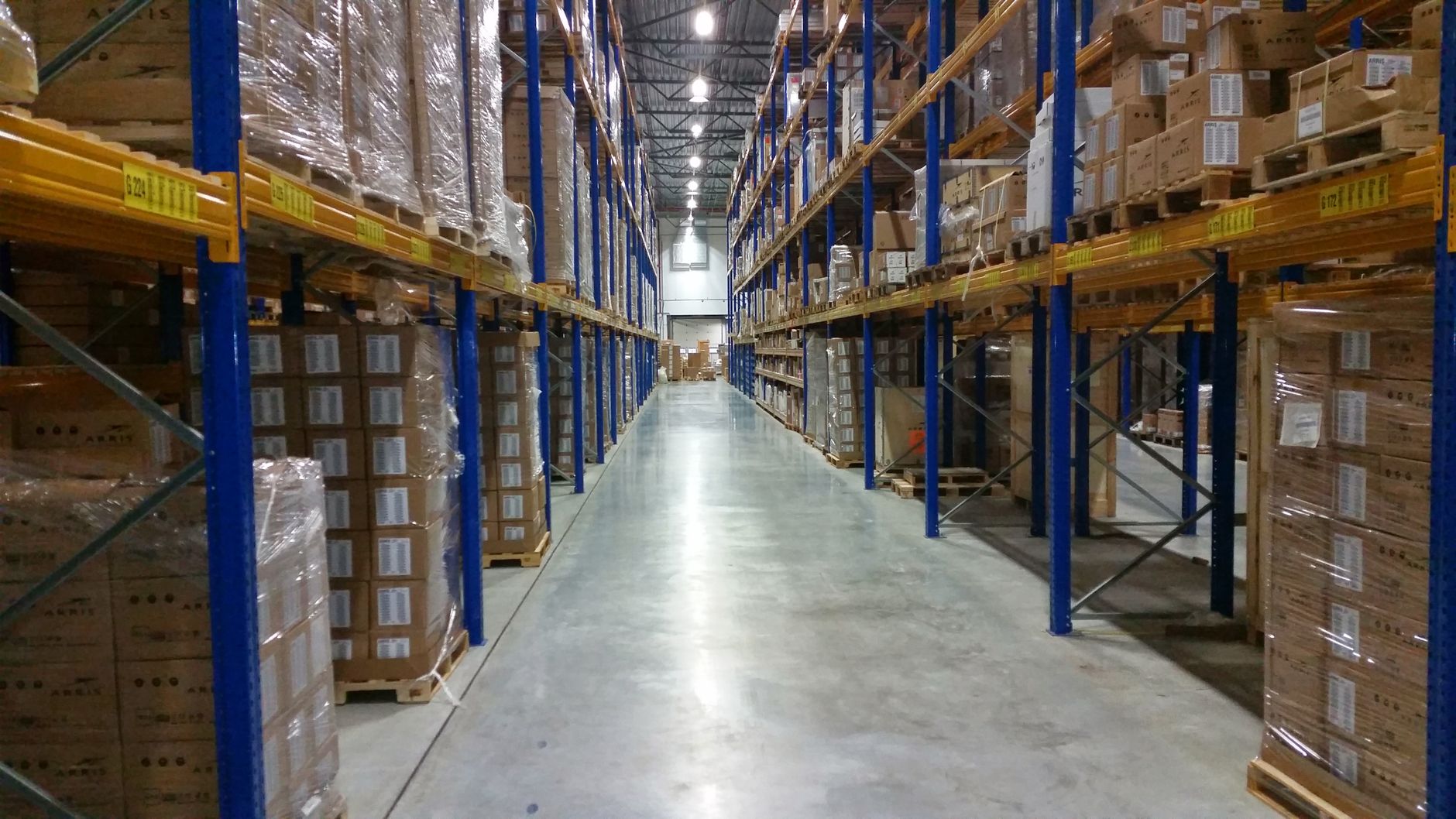
Cells tightened and throughput per square foot rose
The published deployment supports parts movement for more than two thousand medical equipment repairs each week across a human-dense shop floor. Technicians report quick pickups that let them pivot to the next job without hunting for an open cart.
Repair cells shrank about forty percent once large carts and extra infrastructure left the aisles. The site documents a sixty-six percent increase in productive floor space, which allowed more repair capacity in the same building footprint. Fleet analytics now show how people and robots share aisles so engineers can tune flow.
What hospital service groups and OEM repair sites can expect
When cart batching is the hidden bottleneck, autonomous mobile robot rental or warehouse AMR leases let you prove one corridor before you re-layout an entire depot. Service Robot Co. is vendor neutral: we match payload, attachment, and fleet software to your mix of non-conveyable parts, then finance, deploy, integrate, train, and service through regional engineers in all fifty states.
A free site assessment maps summon points, shipping lanes, and clearance for shared aisles. Month-to-month robot leasing can align payments with repair volume swings while maintenance stays on one service plan.