a US manufacturer of made-to-order medical procedure tables
How a Medical-Table Plant Cut Weld Grinding 20% and Saved $50K
Made-to-order medical tables needed thirty weldments and a three-day ship window. A paired welding cell cut grinding 20% and saved $50,000 a year.
- 20%
- Less weld grinding
- $50K/yr
- Grinding savings
- 18 mo
- Payback target
- 10%
- Less weld wire
Based on a documented real-world deployment. Figures are from public reporting; the organization is not named.
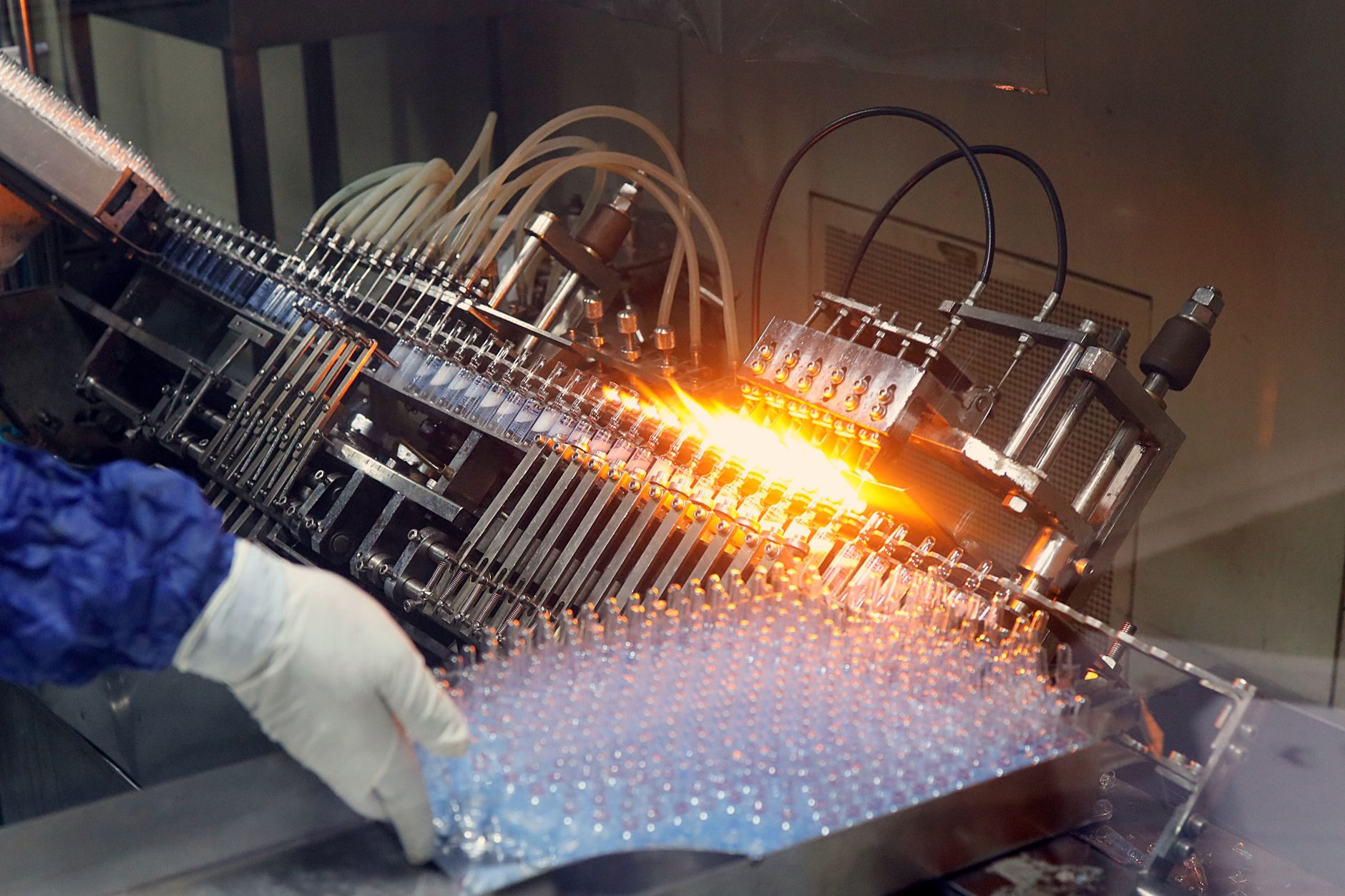
Custom tables with a three-day clock
A US manufacturer of made-to-order medical procedure tables builds highly customized power procedure tables with accessories that change from order to order. Each table can require roughly thirty separate weldments, and the business commits to shipping within about three days.
Manual welding had turned into a fixture shuffle. Three welders per shift were tied to the line, two welding while a third moved heavy fixtures on and off storage. Operators split some fixtures into segments just to lift them safely, which added handling steps and slowed changeovers.
- Small batches with many part configurations
- Heavy fixtures up to several hundred pounds
- Visible welds where finish quality matters
Paired handling and arc welding
Leadership installed a lean arc-welding cell where a material-handling robot swaps fixtures from a rack to dual load stations while a welding robot alternates between two weld positions. Operators load parts at one station while the cell welds at the other, which keeps the three-day promise without stacking extra weld booths.
Fixtures share a common base plate with a pneumatic tool changer and part-presence sensing so the handling robot moves one-piece units instead of segmented plates. RFID tags and scanned kanban cards error-proof fixture selection before the roll-up door opens for loading.
- Queue jobs from bar-coded kanban cards
- Verify fixtures with RFID before weld programs run
- Store finished weldments in fixtures to cut robot travel
- Run production sequencing from robot controller logic
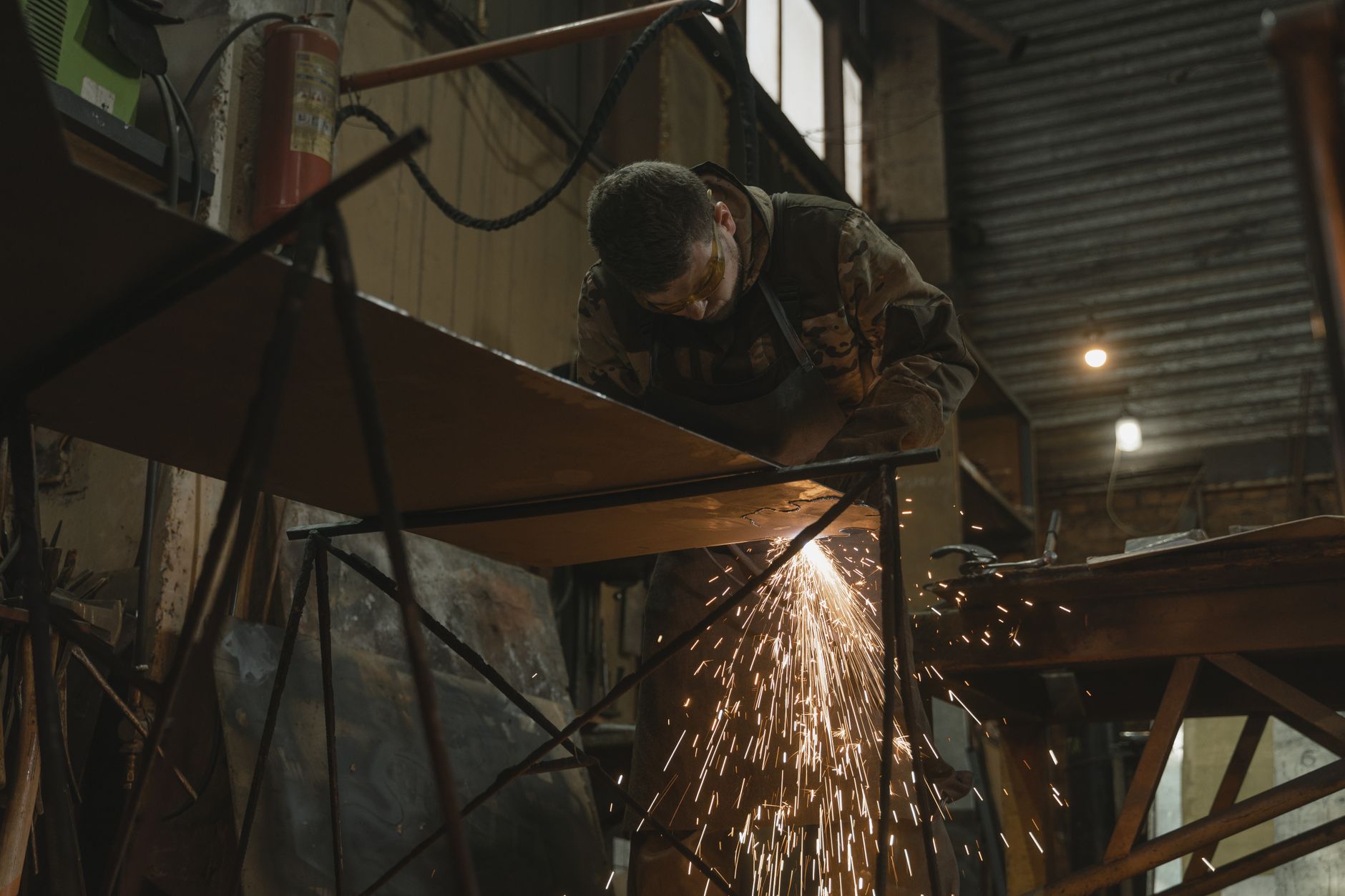
Measured savings on labor and consumables
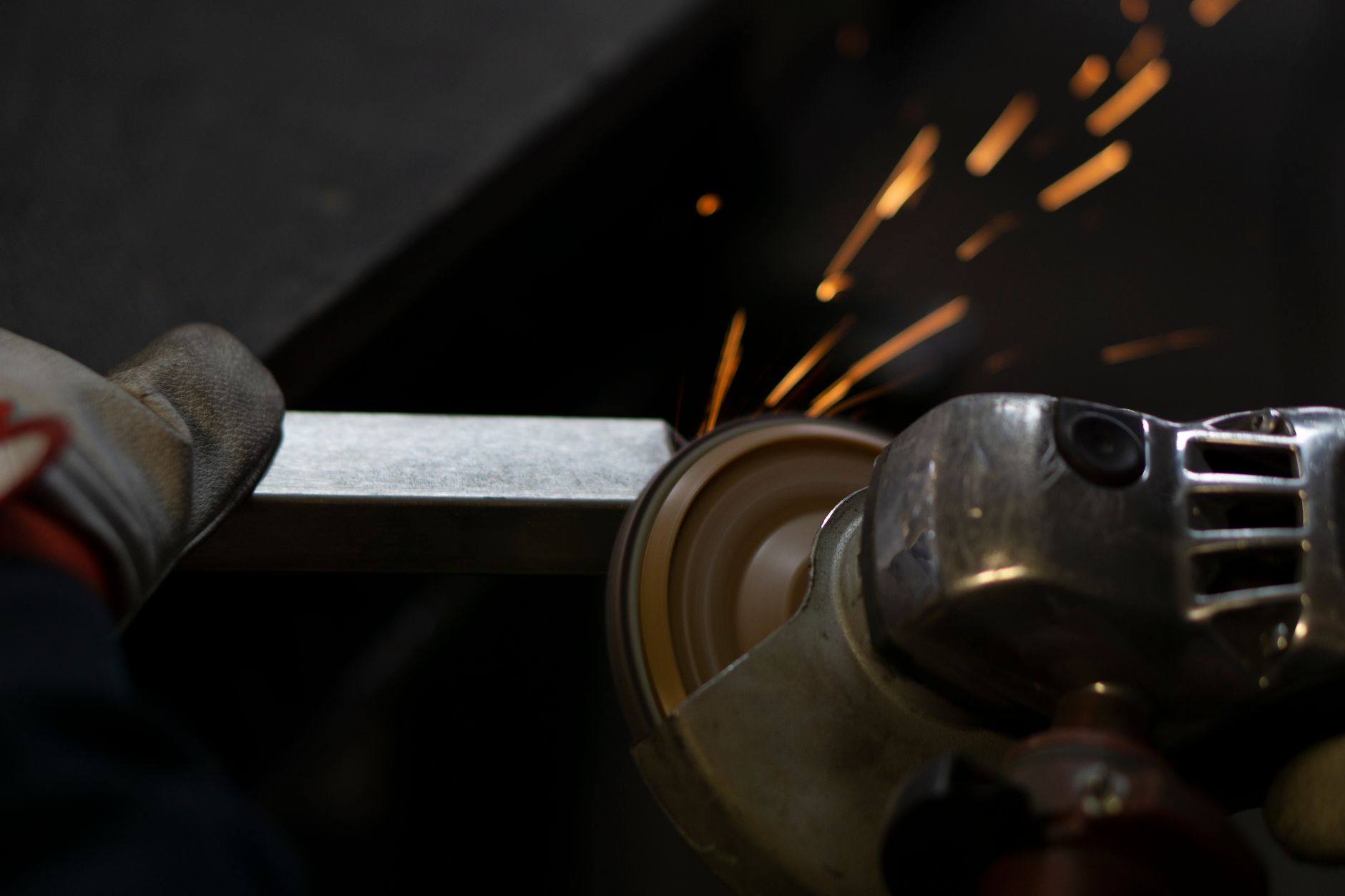
The cell holds output near prior levels while one operator covers work that previously needed three welders per shift, freeing skilled welders for other fabricating areas. The line processes on the order of one hundred fifty weldments per shift across two shifts with stronger consistency on visible joints.
Quality gains show up as fewer missed welds and less manual rework on length or fillet size. Consumables dropped about ten percent on weld wire, saving roughly fourteen hundred dollars per year, while downstream grinding fell about twenty percent for roughly fifty thousand dollars in annual savings. Management expected payback near eighteen months when ergonomics, safety, and labor were included.
What this means for high-mix fabricators
This story is a documented industry example, not a Service Robot Co. customer claim. It shows why OEM-neutral integrators matter when batch sizes swing and fixtures weigh hundreds of pounds.
Service Robot Co. selects handling and welding robots across vendors, then finances, deploys, trains, and supports them through a nationwide engineer network. A phased robot deployment with site assessment and go-live support lets medical equipment builders pilot one cell before expanding the remaining weldments.