a high-acuity memory-care senior living community in the United States
How a Memory-Care Community Returned 22 Staff Hours in 30 Days With Robot Vacuums
A documented U.S. memory-care pilot logged 86 autonomous vacuum runs, 72,058 sq. ft. cleaned, and 22.4 staff hours returned in 30 days while keeping resident safety central.
- 22.4 hrs
- Staff time back
- 72,058
- Sq. ft. cleaned
- 86
- Autonomous runs
- 30 days
- Pilot window
Based on a documented real-world deployment. Figures are from public reporting; the organization is not named.

Why floor care stays manual in memory care
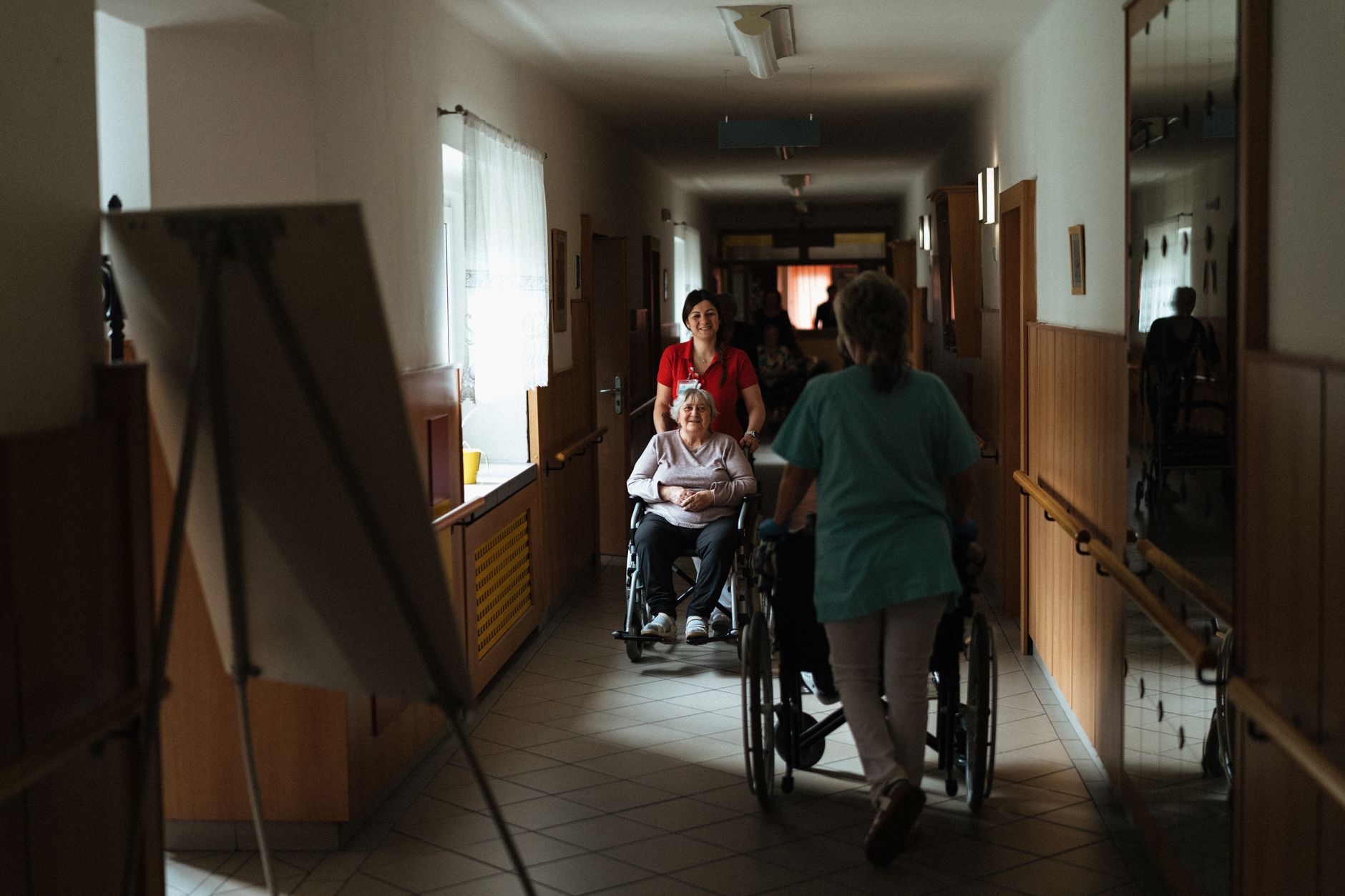
Memory-care buildings run on routines. Residents move through dining rooms, corridors, and activity spaces on tight schedules, and every wet floor or cord creates a fall risk supervisors take seriously.
Housekeeping teams are often thin. When vacancies hit, leaders keep staff on touch-heavy tasks while common-area vacuuming slips or gets rushed.
The community in this documented example wanted cleaner common areas without asking caregivers to trade resident time for repetitive carpet work.
- High foot traffic in shared spaces
- Safety rules that limit when wet mopping can run
- Staffing gaps that push vacuuming to the bottom of the list
A hybrid plan built around resident activity
Leadership evaluated whether autonomous carpet vacuuming could fit a high-acuity setting. The plan kept manual cleaning in zones where staff wanted direct control, and used autonomous routes where repeat laps made sense.
Partners helped map routes and adjust schedules around resident patterns so machines ran when halls were quieter. Operators received short training so the robot could be started, monitored, and returned to its dock without a dedicated technician on site.
The goal was not to remove people. It was to move repetitive vacuuming off the calendar so the same team could focus on resident-facing work.
- Pilot autonomous vacuuming in lower-risk common areas
- Keep manual methods in higher-acuity zones
- Tune run times around resident movement
- Train staff on start, monitor, and dock routines
What the first 30 days measured
During the first 30 days the team completed 86 autonomous cleaning runs and covered 72,058 square feet of floor area.
Those runs returned 22.4 staff hours to the department. Leadership reported visibly cleaner floors, faster dry times compared with traditional mopping in the same spaces, and more confidence that automation could support resident safety rather than fight it.
Residents noticed the machine and sometimes tested whether it would stop for them, which became part of daily life rather than a disruption.
What this pattern means for senior living operators
This deployment was documented by a senior-living supplier as a real-world memory-care pilot. Service Robot Co. did not run it. The lesson for operators is still practical: autonomous floor vacuuming can return measured hours when routes respect resident safety and staffing reality.
Service Robot Co. helps U.S. communities evaluate, finance, deploy, and service commercial cleaning robots as one vendor-neutral partner. A free site assessment can map where autonomous vacuuming fits, where scrubbers belong, and how monthly rental or lease options compare to purchase for your census and floor plan.
Nationwide service coverage matters in senior living because downtime in common areas is visible to families. One partner for selection, training, and repair keeps robots on route instead of sitting in a closet.