
a high-mix metal fabricator struggling to hire enough certified welders
Welding Cobot Case Study: Cost Cut to Half in High-Mix Fabrication
A documented welding cobot deployment let a high-mix fabricator cut welding cost to half of manual work and quote short-run jobs despite a welder shortage.
- 50%
- lower welding cost
- 15 min
- part changeovers
- 3 shifts
- coverage from one robot
- 30 welders
- demand beyond hiring
Based on a documented real-world deployment. Figures are from public reporting; the organization is not named.
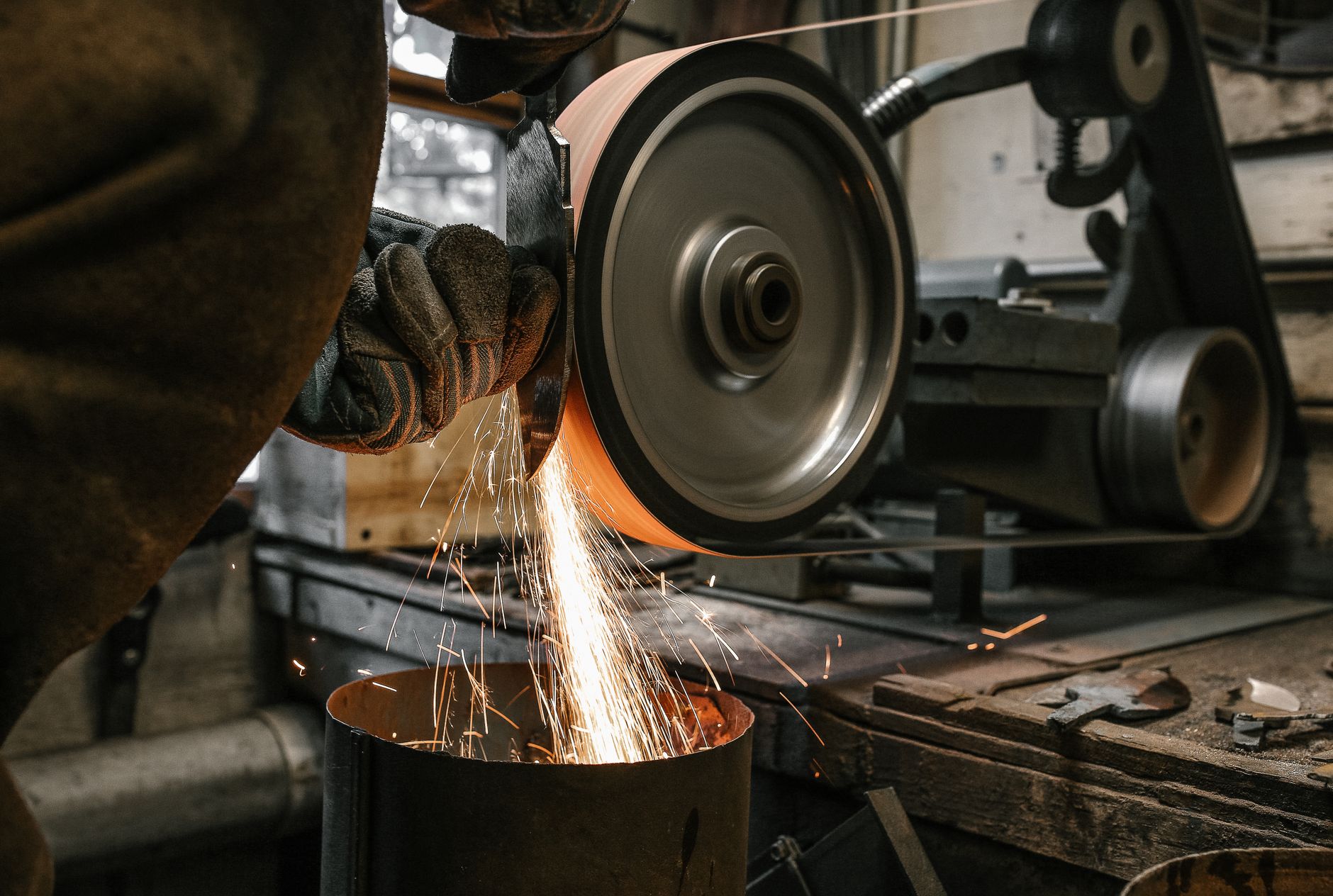
The hiring bottleneck on the weld side
This was not a narrow production shop. The documented operation was building hundreds of different stamped and welded metal parts for heavy equipment, automobiles, appliances, and more. In a tight labor market, that product mix ran straight into a shortage of certified welders, and the shop had only about seven welders on staff.
That staffing level was already below what incoming work required. Some jobs needed nine or ten welders, and the operations leader said the quote pipeline was deep enough that the business would have needed 30 more welders to cover it. The constraint was not demand. It was weld capacity.
Conventional automation did not fit the job mix cleanly either. The shop already knew that traditional robotic welding could require tooling fixtures that took up to 16 weeks to build, and for small runs those fixtures were simply not cost effective.
- About seven welders were on staff
- Some jobs needed nine or ten welders
- Quoted demand implied 30 more welders would have been needed
- Traditional robotic fixtures could take up to 16 weeks to build
A collaborative welding setup built for short runs
The fabricator did not jump into welding automation cold. It had already used two collaborative robots on mechanical presses, which gave the team a working proof that collaborative automation could fit the floor and coexist with operators.
For welding, the shop moved to a collaborative cell that did not need a large guarding package after risk assessment. The source describes the setup as small, easy to use, and easy to teach, which is exactly the profile a high-mix shop needs when parts change often and short runs cannot carry heavy setup burden.
The rollout was unusually fast. The provider had the system set up within two hours, and the shop's automation lead said he was running it and teaching it within half an hour. With mapped tables, photos, and a mobile workflow, he could swap between parts in about 15 minutes even though he was not a certified welder.
- Build on earlier cobot experience from two press-tending deployments
- Introduce a collaborative welding cell sized for short runs
- Certify the robot program so the cell can be tended without a certified welder at the station
- Train operators through a mobile workflow and repeatable table layouts
- Use quick changeovers to move between parts in about 15 minutes
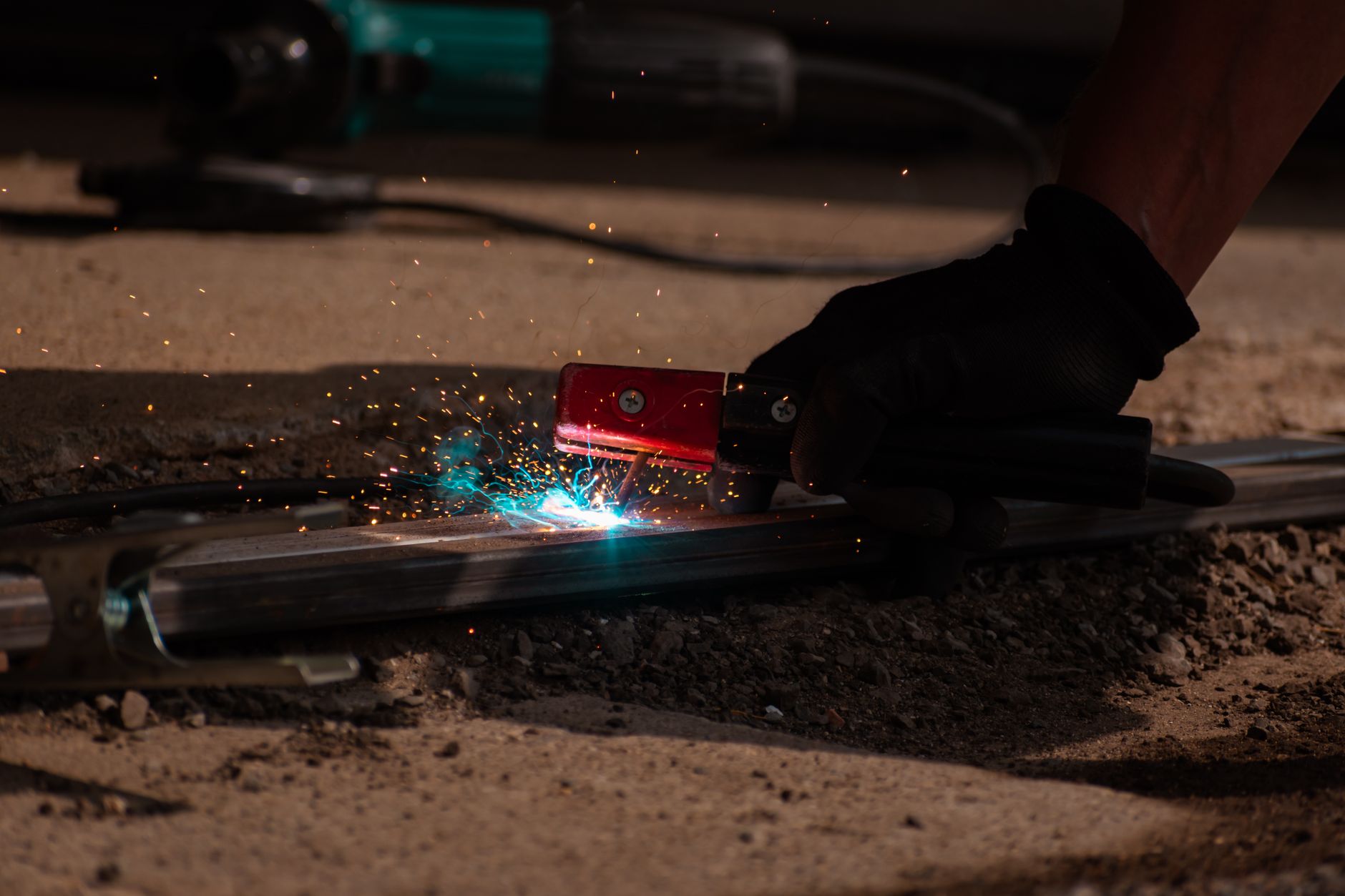
What changed on cost, quoting, and staffing
The headline economics were blunt. The operations leader estimated the collaborative welding setup was saving about half of what the company would pay a normal welder once wages and overhead were counted. That is the core outcome in this case, and it is substantial because it came in a job mix that had resisted traditional automation.
Capacity opened at the exact point where the business had been stuck. The source says the shop could now quote welding work it had previously passed on, because it knew a robot could be brought in and made ready before the first purchase order even arrived.
Staffing pressure eased without pretending the work vanished. Once the weld program was certified, the company no longer needed certified welders to oversee that operation, so any operator could tend the cell. The operations leader said one robot could run across three shifts and remove the need to hire three welders for that coverage.
The labor effect was also more surgical than blunt-force replacement. Existing manual welders were moved toward larger weldments with better margins, while the robot handled smaller welds that had been awkward to staff and hard to justify on fixed automation.
What this means for manufacturing owners
This is a documented third-party deployment, not a Service Robot Co. install. What makes it useful is the operating pattern it exposes. A welding cobot earns its keep when the shop is high mix, short run, boxed in by certified labor, and unable to justify a fixed cell built around long repeats and expensive fixtures.
Service Robot Co. is a full-service, OEM-neutral commercial robot integrator for US businesses. For owners comparing collaborative robot arm leasing, cobot leasing for manufacturing, robot leasing for business, monthly payment programs, leasing, or a purchase or lease structure, we select the right system, handle robot deployment and integration, train the floor, and service the unit through one partner for the full lifecycle. That matters when you want no upfront capital, a phased deployment no shutdown, RoboCare™ service, and a commercial robot demo or robot pilot program before broader rollout.