
a high-mix metal fabricator in Ohio
Ohio Fabricator Raises Welding Production 200% With Cobots
A high-mix Ohio metal fabricator used flexible welding cobots to raise production 200%, handle complex TIG work, and reach payback in less than 12 months.
- 200%
- higher welding production
- <12 mo
- documented payback
- 2x to 6x
- faster TIG welding
- 4
- cobot weld cells
Based on a documented real-world deployment. Figures are from public reporting; the organization is not named.
Complex Welds, Short Runs, Constant Change
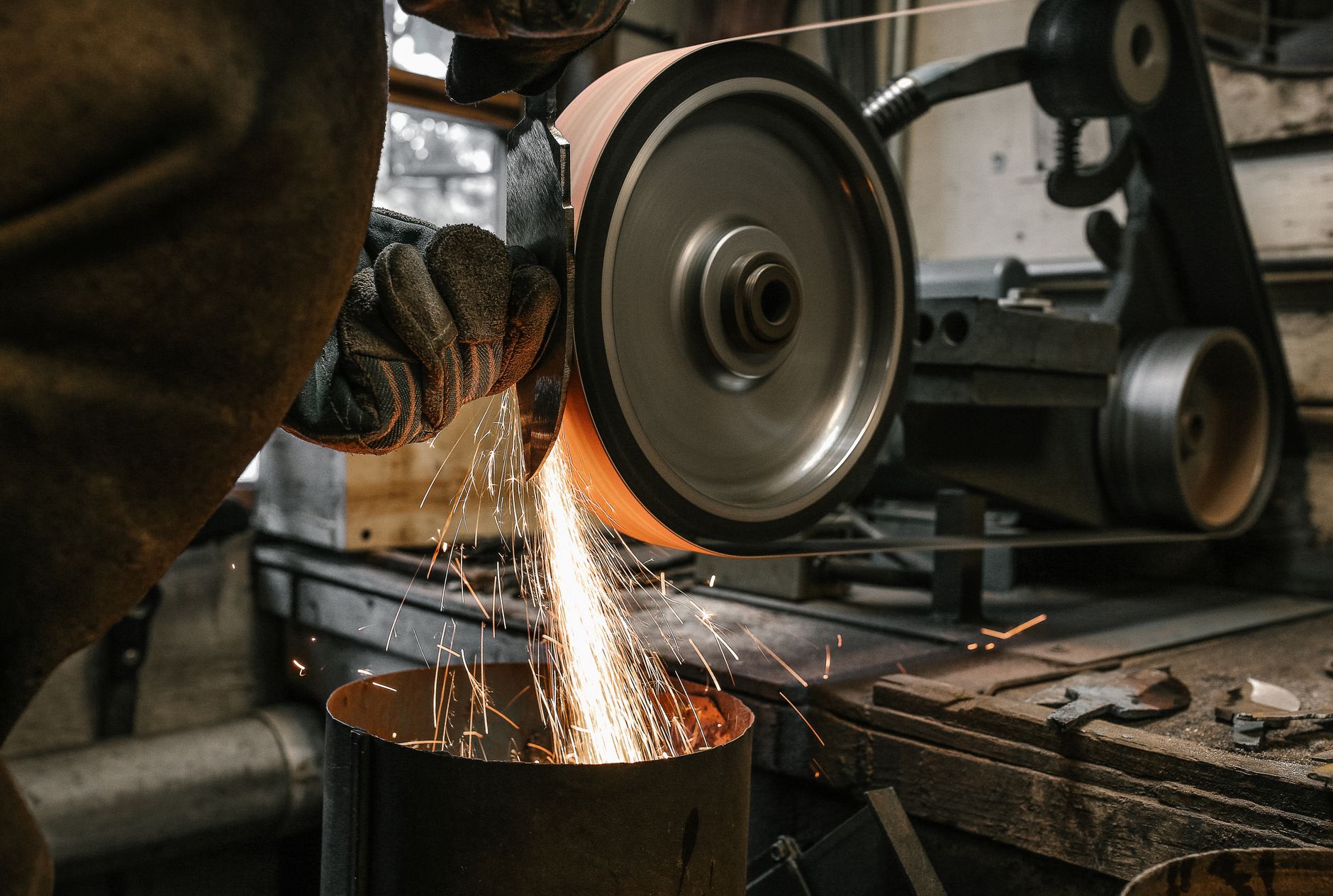
A high-mix metal fabricator in Ohio was broadening its capabilities as customers consolidated work among fewer suppliers. That ambition collided with a difficult production reality: many different parts, modest batch sizes, frequent changeovers, and automation that traditionally favored long, repetitive runs.
Complex aluminum assemblies were a particular constraint. Their TIG welds required work above and below the part, exact torch positioning, difficult angles, careful heat control, and repeated manual repositioning. The shop needed more capacity without burying each low-volume job beneath elaborate fixturing.
Skilled labor was another limiting factor. Welding processes were difficult to staff, and conventional automation lacked the adaptability the product mix demanded.
- Automate high-mix, low-volume welding without rigid, part-specific tooling
- Handle demanding TIG geometry while preserving weld precision
- Give existing welding personnel an approachable way to program new work
- Expand output despite persistent staffing constraints
Prove the Work, Then Broaden the Cell
The documented deployment began with the shop's own parts. During a four-hour hands-on evaluation, the team programmed 20 weld points and ran production samples. That practical test established that changeover and programming could fit the cadence of a fabrication shop.
The company installed four collaborative MIG welding cells first. Two operators typically managed two cells apiece, loading one while the other welded. After that application proved itself, the shop extended the approach to more intricate TIG work.
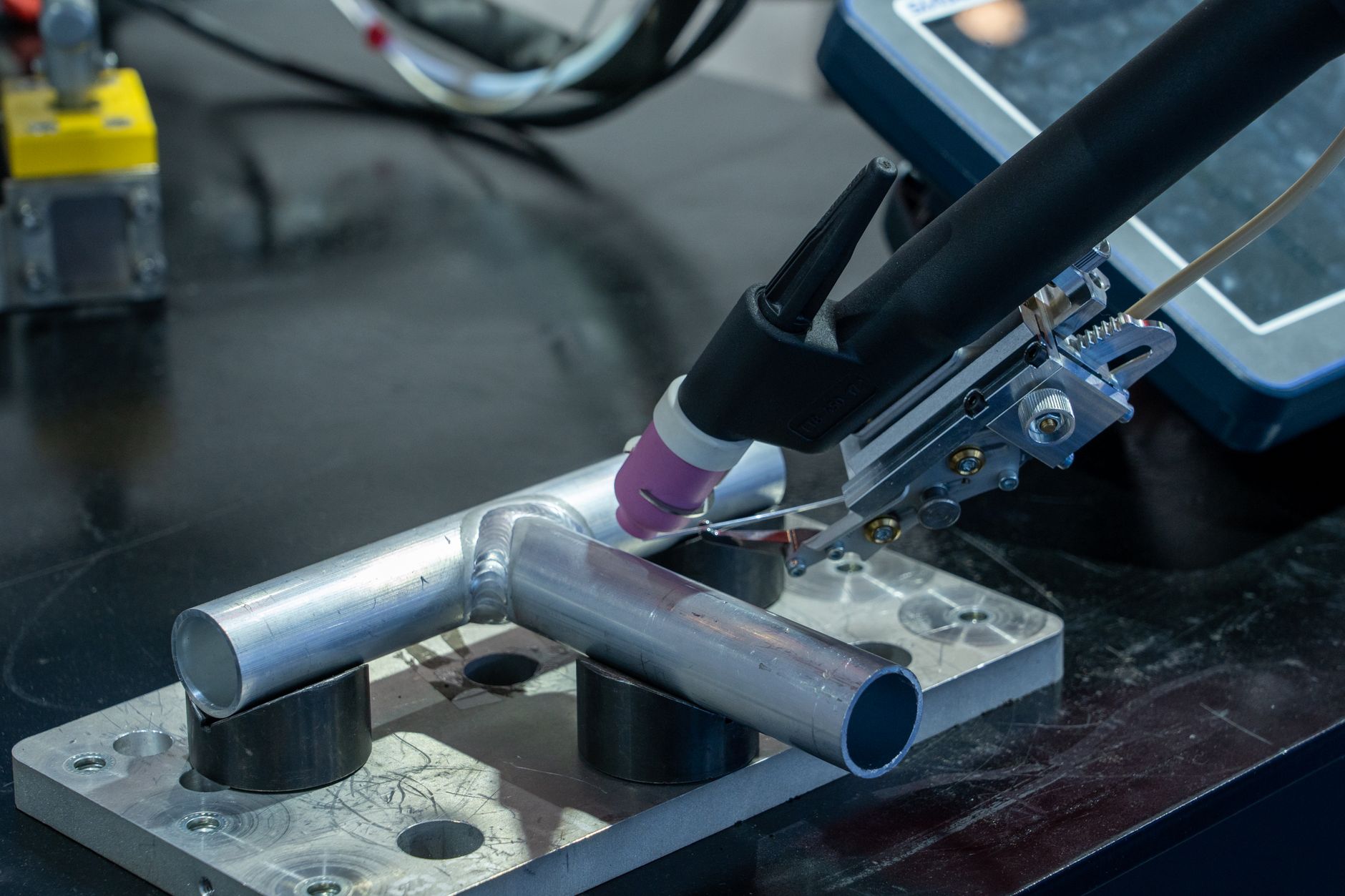
The TIG configuration used automated torch movement instead of forcing a welder to rotate and manipulate the fixture. It handled stainless steel and aluminum on the same system, supported varied weld paths and positions, and required only minimal manual fixturing. Programming was performed through the cell interface by moving the arm to the required point and angle.
Training for new systems was offered over one to three days. Subsequent support conversations reportedly centered on advanced capabilities rather than keeping the equipment operational, indicating that operators became increasingly self-sufficient.
- Validate the application with representative production parts
- Start with the more readily repeatable MIG workload
- Let trained operators alternate between active cells
- Apply lessons from the first cells to complex TIG welding
- Build operator capability through hands-on programming and training
More Welding Capacity From the Same Shop Floor
The headline result was a 200% increase in welding production. For complex TIG work, automated welds ran two to six times faster than manual welding, with the cobot moving around the workpiece instead of requiring repeated fixture manipulation.
On one aluminum part, weld time fell from 15 minutes manually to five or six minutes. Another part dropped from three or four minutes to 30 to 40 seconds. Those gains came without narrowing the shop to a single repetitive product.
The four welding cells also changed labor coverage. Two operators could each attend two cells, loading one while its counterpart ran. The documented investment reached payback in less than 12 months and allowed the fabricator to accept work that had previously exceeded its available manpower.
A Practical Model for High-Mix Automation
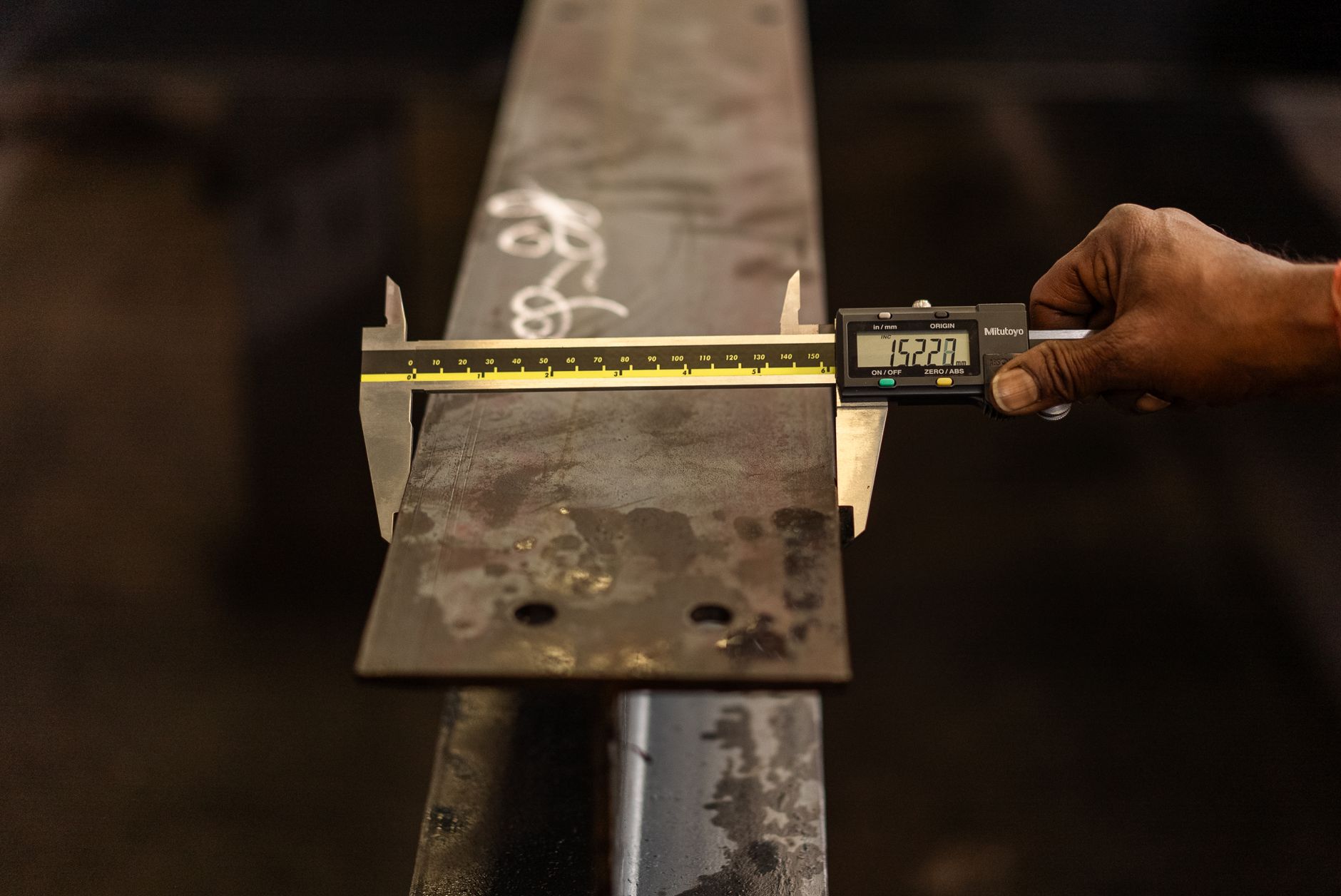
This documented example was not a Service Robot Co. deployment. It shows why welding automation should begin with parts, process variation, fixturing, and operator workflow rather than a predetermined brand or machine.
Service Robot Co. is a full-service, OEM-neutral commercial robot integrator for US businesses. As a vendor neutral robot integrator, we select equipment across manufacturers and provide robot financing for small business, collaborative robot arm leasing, cobot leasing for manufacturing, or purchase paths according to the operating case.
The same team handles the commercial robot demo, robot pilot program, robot deployment and integration, training, and continuing care. RoboCare™ service programs can combine remote triage, on-site dispatch, and a robot maintenance service plan through a nationwide US engineer network. It is one vendor for the full lifecycle, with one partner one number when production needs attention.