
a large aluminum extrusion and CNC metal processing plant with about 39,600 square feet of shop floor to clean
How a Metal Processing Plant Boosted Cleaning Efficiency 30% With Autonomous Scrubbers
A metal fabrication plant deployed scheduled autonomous scrubbers on a 39,600 sq ft CNC floor, cutting cycles to 20-25 minutes and reporting a 30% efficiency boost.
- 30%
- Efficiency boost
- 20-25 min
- Large-area cycle
- 39,600 sf
- Shop floor scope
- 4 modes
- Floor modules
Based on a documented real-world deployment. Figures are from public reporting; the organization is not named.
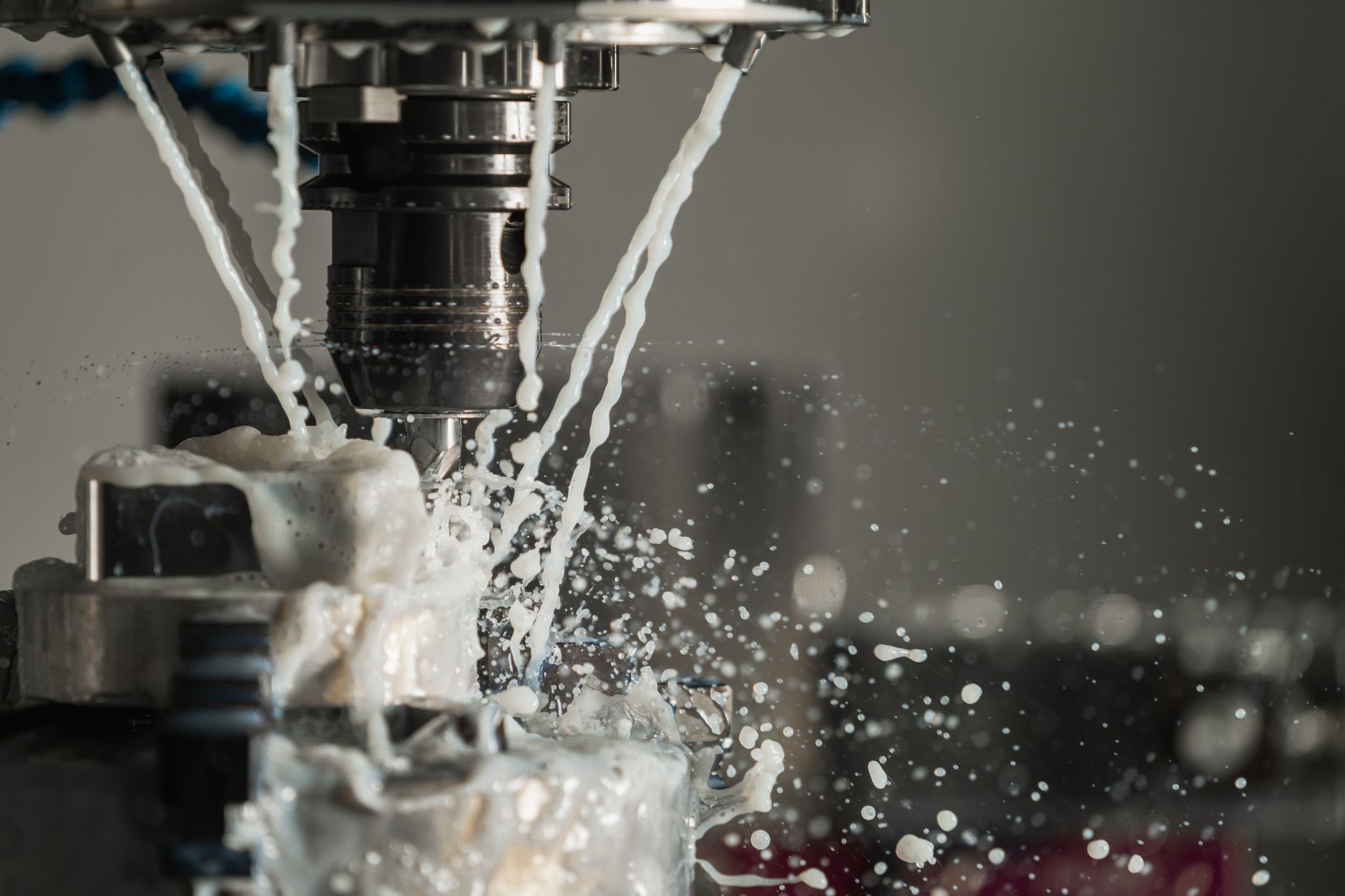
Oil, chips, and dust across a CNC floor too large to mop by hand
Metal cutting never really stops at this plant. Cutting fluid, aluminum chips, and fine dust settle on concrete aisles around large CNC lines, creating slick patches and airborne grit that make the dirtiest jobs the ones nobody wants on a résumé.
The shop floor spans roughly 39,600 square feet, so a single manual pass can eat an entire shift transition. Supervisors struggled to hire dedicated cleaners and even harder to prove every zone was done before production ramped back up.
- Mixed contamination: oil films, metal chips, and dust in the same aisle
- Coverage area large enough to force tradeoffs during shift changes
- Manual cleaning performance that was difficult to audit consistently

Scheduled autonomous scrubbing with interchangeable floor modules
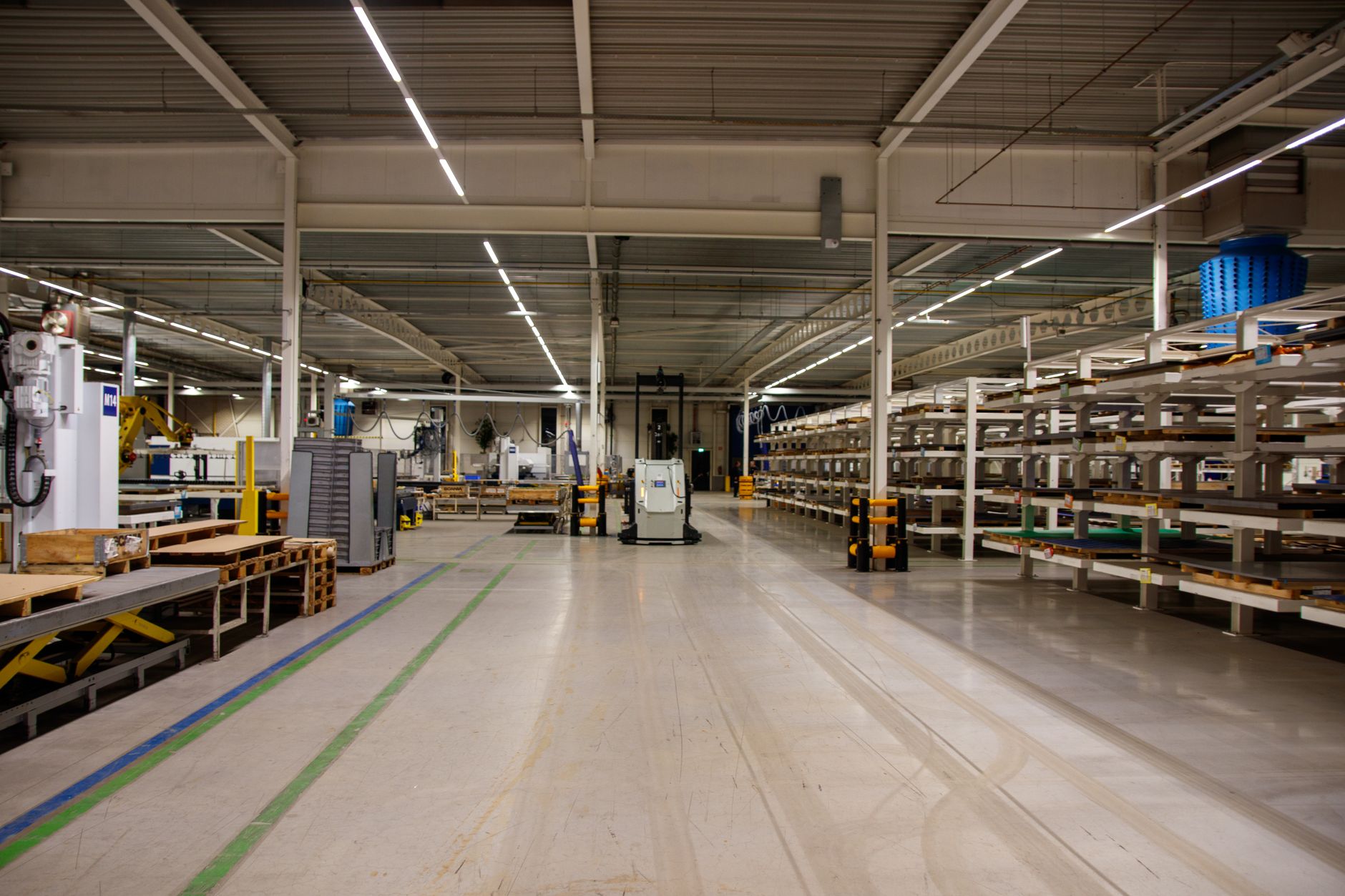
Leadership paired the facility layout with an autonomous floor scrubber that swaps vacuum, sweep, scrub, and dust-mop modules so one platform could match each zone instead of sending multiple machines.
Runs were scheduled for quiet windows so employees no longer had to reserve shift-change minutes for mopping. The robot followed mapped routes without an escort, which kept technicians on production tasks while the floor care plan stayed visible on a calendar.
- Map high-traffic CNC aisles and loading lanes before the first live scrub
- Match module sets to oil-heavy zones versus chip-heavy zones
- Lock in recurring schedules so cleaning happens even on thin staffing days
Shorter cycles, cleaner concrete, and a documented efficiency lift
After rollout, each large-area cleaning cycle finished in about 20 to 25 minutes, a sharp drop from the open-ended manual blocks that used to collide with shift start times.
Before-and-after photos in the public write-up show stubborn oil stains and metal debris cleared from previously neglected lanes. The operator reported an overall 30% cleaning efficiency boost once scheduled autonomy replaced ad hoc mop crews.
Employees stopped budgeting transition time purely for floor care, which let supervisors treat cleaning as a controlled utility rather than a daily argument over who stays late.
What US fabricators can borrow from the rollout
This deployment was documented by the robot supplier, not Service Robot Co., yet the pattern is familiar across US machine shops: you need proof on oily, chip-strewn concrete without pulling machinists off spindles.
Service Robot Co. stays OEM-neutral, so we compare scrubber platforms on your actual aisle widths, pit drains, and night-shift windows, then finance, deploy, train, and service the fleet through a nationwide network of regional service engineers.
A free site assessment is the practical first step when you want scheduled autonomy on a floor this large before you commit capital.