
a 103.8-km, 56-station automated metro network
Rail Inspection Case Study: Over 2,400 Hours Down to About 700
A documented rail transit case study on a 103.8-km metro network shows autonomous inspection cutting full-network work from over 2,400 to about 700 man-hours.
- 75%
- Inspection duration cut
- ~700 hrs
- Full-network cycle
- 70%
- Manual inspections reduced
- 40%
- Assessment improvement
Based on a documented real-world deployment. Figures are from public reporting; the organization is not named.
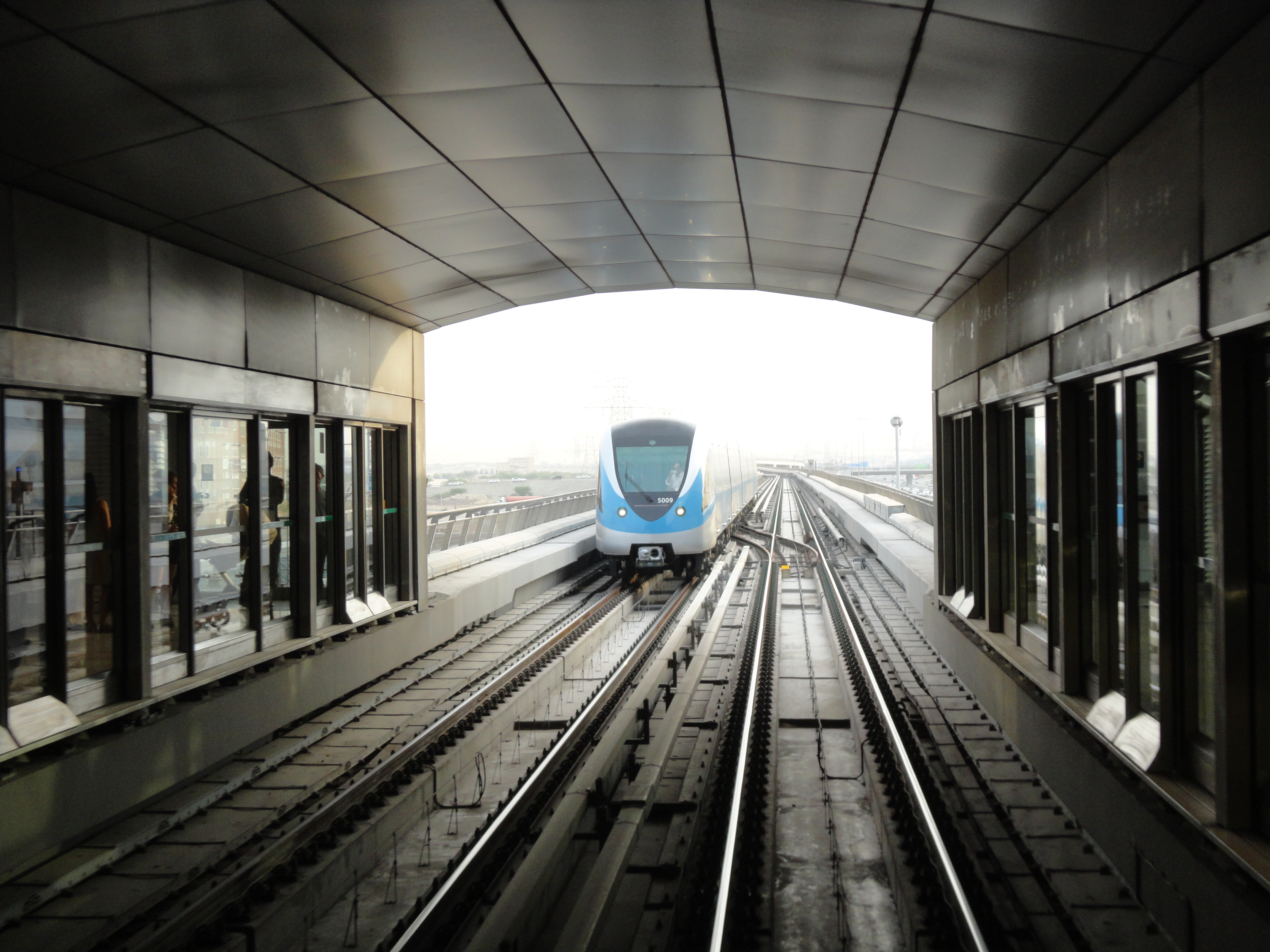
Manual walking could not keep pace
For a 103.8-km, 56-station automated metro network, full-network inspection by walking the line was a punishing maintenance task. The documented source says one complete cycle required more than 2,400 man-hours, which put a heavy burden on track teams and constrained how often the network could be checked.
That workload created a second problem beyond labor. Manual rounds could not deliver the consistency or frequency of condition data needed for predictive maintenance, so the operator needed a way to inspect more often, assess more accurately, and keep fewer people exposed on the track.
- More than 2,400 man-hours were tied up in one full inspection cycle
- Inspection frequency was limited by the sheer effort of walking the network
- Manual rounds did not produce the consistency needed for stronger condition-based maintenance
A staged autonomous inspection rollout
The deployment introduced an autonomous rail inspection robot only after the platform had been validated against the network's operating conditions. The robot then took on repeatable inspection work across track and rail assets, capturing structured condition data without requiring staff to walk the full line.
The source also makes the integration point clear. Inspection findings were fed into maintenance planning systems, which helped shift the program away from fixed schedules and toward actual asset condition. The source does not publish training hours, staffing ratios, or service-contract terms, so those details are not inferred here.
- Validate the robot against live network conditions before go-live
- Use autonomous runs to capture structured condition data across the full network
- Feed findings directly into maintenance planning systems
- Reduce walking exposure while keeping engineers focused on assessment and intervention decisions
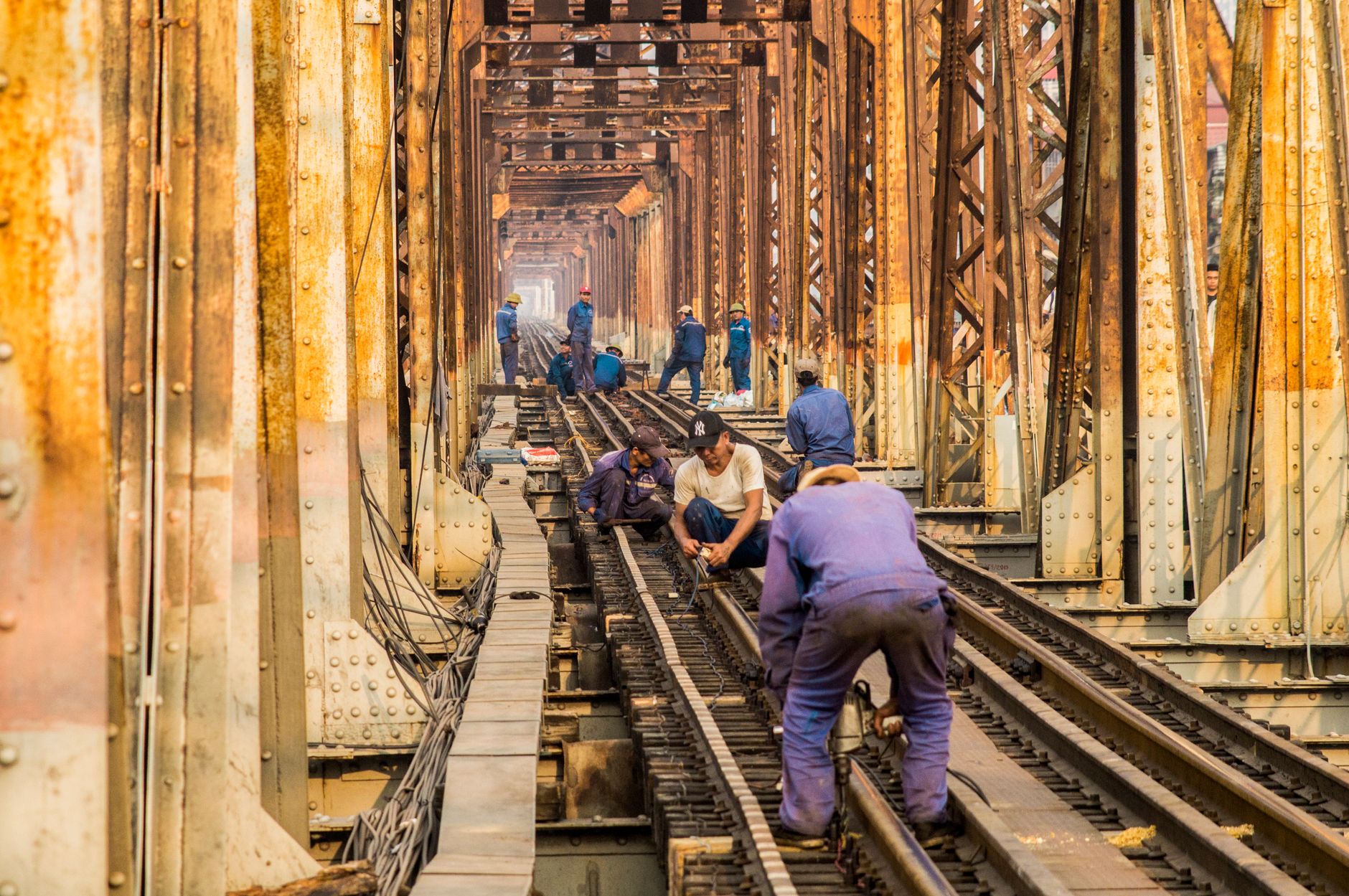
The cycle got shorter and the data got sharper
The measured gain was stark. Full-network inspection fell from over 2,400 man-hours to approximately 700, which the source describes as a 75% decrease in inspection duration. In rail transit, that kind of compression changes how realistic it is to inspect the whole estate on a tighter cadence.
The source also reports manual inspections reduced by up to 70% and infrastructure-condition assessment improved by 40%. Read together, those figures point to more than labor relief. The operator gained a more repeatable picture of asset health and a firmer base for predictive maintenance.
What this means for U.S. rail operators
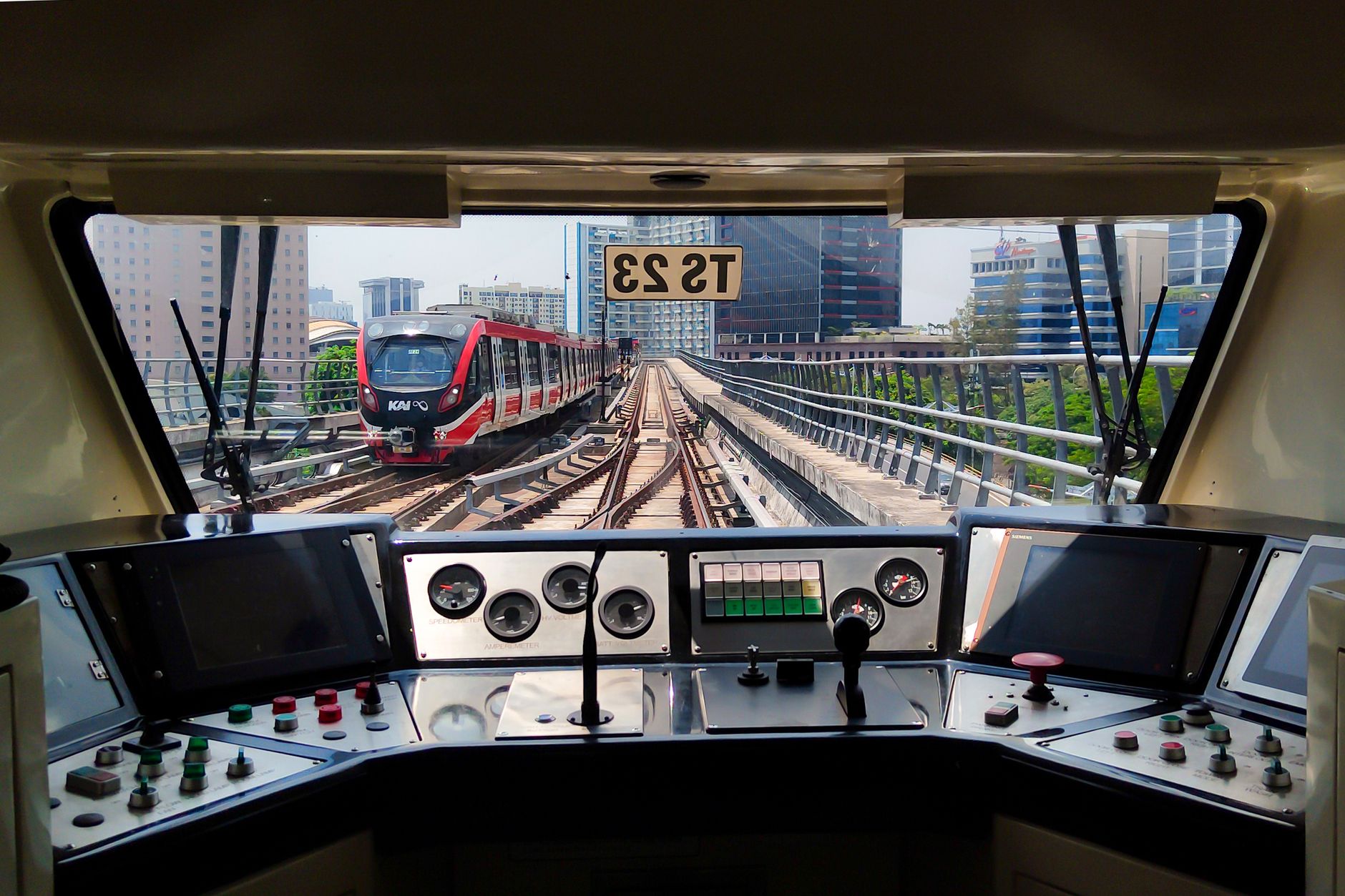
This is a documented market example, not a claimed Service Robot Co. deployment. Its value is operational. When inspection coverage spans a long, intricate rail corridor, an autonomous rail inspection robot can reduce walking exposure while raising the cadence and consistency of condition capture.
For U.S. operators exploring inspection robot leasing, the buying task reaches beyond the machine. Service Robot Co. is a full-service, OEM-neutral commercial robot integrator for U.S. businesses that can handle site assessment mapping, robot deployment and integration, phased deployment no shutdown, team training, and RoboCare™ service support through remote triage and on-site dispatch. In practice, that gives a rail buyer one partner one number across the lifecycle.