
a Michigan dairy farm that pushed feed by hand before installing a robotic feed pusher
A Michigan Dairy Ends Hand Feed Pushing With a Robotic Feed Pusher
A Michigan dairy farm that pushed feed by hand reports 2 to 3 lb more intake per cow and fuel and skid loader savings after a robotic feed pusher went in.
Deployment at a glance
- 2.5 hours
- Daily hand pushing before the switch, operator reported
- 2 to 3 lb
- More feed intake per cow, operator reported
- Fuel
- Less fuel and skid loader work, operator reported
Based on a documented real-world deployment. Figures are from public reporting; the organization is not named.
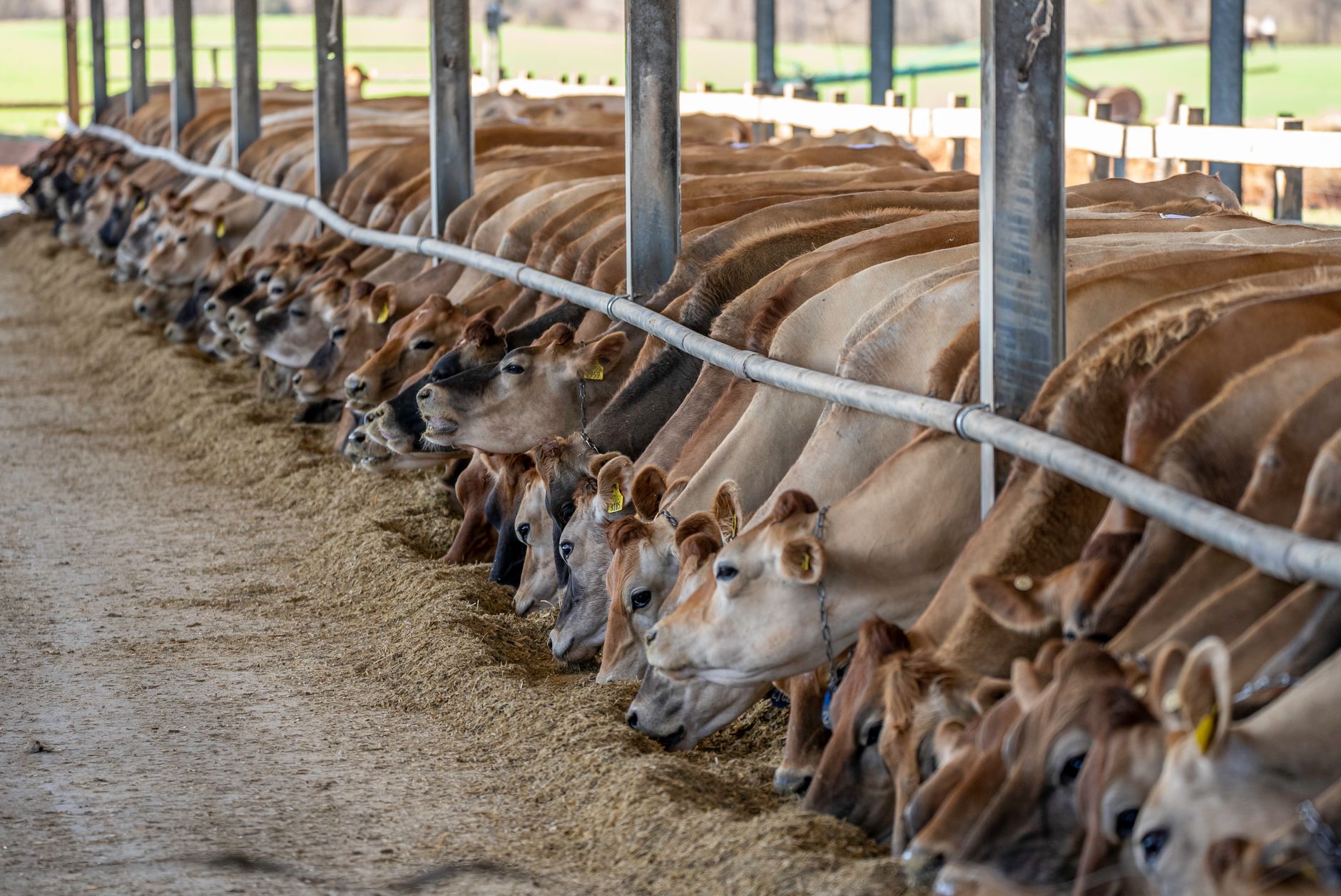
Hours of hand pushing at the feed bunk
Feed does not stay where it is put. As cows pull and nudge the ration away from the bunk, it has to be brought back within reach, and that work never really ends. A Michigan dairy farm that pushed feed by hand before installing a robotic feed pusher carried that load personally, and the operators put the daily cost at about 2.5 hours.
Hand pushing is physical, repetitive, and tied to a person being present at the right hour. When a shift runs long or the crew is short, the push slips, and the feed line can suffer before anyone notices. Fresh feed matters to intake, so the timing of that push is no small detail.
Fuel and equipment time added to the bill. Pushing with a skid loader kept a machine busy that could have handled other chores on the place, and the operators tied that work to fuel use and skid loader hours.
Replacing the hand push with a robotic feed pusher
The change was simple to describe. Hand pushing gave way to a robotic feed pusher that moves feed up to the cows on a set schedule, so the job stopped depending on someone being there for every pass.
The basic routine of laying out feed and keeping the alley clear stayed with the operators.
For a commercial operation weighing a similar change, the decisions that count come before the machine arrives. Feed alley layout, how often the pusher should run, and who checks the feed line each day all shape what the robot can deliver. Those questions belong in a site assessment, and a lease quote follows from that assessment.
- Walk the feed alley and note its width, grade, and obstructions
- Set the pusher schedule together with the crew
- Assign one person to check the feed line each day
- Track intake on the herd before and after the change
What the operators report
The headline figure is 2 to 3 lb more feed intake per cow, as reported by the operators of a Michigan dairy farm that pushed feed by hand before installing a robotic feed pusher.
Before the switch, about 2.5 hours a day went to pushing feed up to the cows by hand. The operators also reported fuel and skid loader savings alongside the change.
These are the operators' figures from their operation. Read them as one operation's account of its feed line, since results depend on herd makeup, ration, and how the pusher is set up.
What this means for a commercial operation
Service Robot Co. is a full service robot integrator for US businesses that stays neutral across manufacturers. We select the right robots from several makers, then finance, deploy, integrate, train, and service every unit through a nationwide US engineer network, so one partner handles the whole lifecycle. The pattern carries over to any task that eats labor hours and runs on a schedule, from feed and floors to freight.
Our offer is a lease. Service Robot Co. leases robots through financing on a three year lease, with one fixed quote after a site assessment. That is how commercial robot leasing usually works for a business that wants automation without a large upfront outlay, and it fits robot lease financing programs built around a single quote.
Every case starts with a site assessment, because fit is decided on the ground. A feed alley, a warehouse aisle, and a hospital corridor each need different things from a machine, so our engineers map the site before anything is quoted. That is how we approach robot deployment and integration, with one partner and one number for the lifecycle.
Frequently asked questions
Want a robot working for you?
Tell us the job and the site. We will recommend the robot, quote the lease, and keep it serviced.