
a Mid-Atlantic health system running cobots for hospital deliveries
A Mid-Atlantic Health System Runs Cobots on Daily Hospital Deliveries at Scale
A Mid-Atlantic health system's cobots logged more than 48,600 hospital deliveries and about 32,100 operating hours by August 2025, a case study in scale.
Deployment at a glance
- 48,600+
- Deliveries logged by the cobots by August 2025
- 32,100
- Approximate operating hours by August 2025
- 8,300
- Approximate miles traveled over the same period
- 3+ years
- Program span from April 2022 to August 2025
Based on a documented real-world deployment. Figures are from public reporting; the organization is not named.

Hallway runs that pulled nurses away from patients
Every hallway trip for a supply, a specimen or a meal tray pulls a clinician away from the bedside. On a large hospital campus those trips repeat across units, labs and storage areas on every shift, and the time they absorb adds up quietly. The health system's aim was to give nurses more time for patient care.
The question was never whether one robot could make one run. It was whether a fleet could carry ordinary daily transport across many departments without stalling, and whether the work could be measured well enough to show it. That is a test of scale, not of a single demonstration.
A nurse-led start, then a handover to operations
The program began with a nurse-led research team, which introduced collaborative delivery robots onto hospital routes and set up how deliveries and travel would be recorded. The cobots came from one robot supplier, and the early work was about learning which runs suited the robots and how the team measured them.
Over time, ownership moved from the research team to operational departments. The health system used a RACI framework (Responsible, Accountable, Consulted, Informed) to define who does the work, who answers for outcomes, who is consulted and who is kept informed. That clarity is what turns a promising trial into a standing service.
- Nurse-led research team introduces cobots onto daily hospital routes
- Deliveries and miles are logged from April 2022 onward
- Operational departments take on ongoing responsibility for the program
- A RACI framework assigns roles across the handover
- Operating hours accumulate through daily runs into 2025

Deliveries and operating hours, April 2022 to August 2025
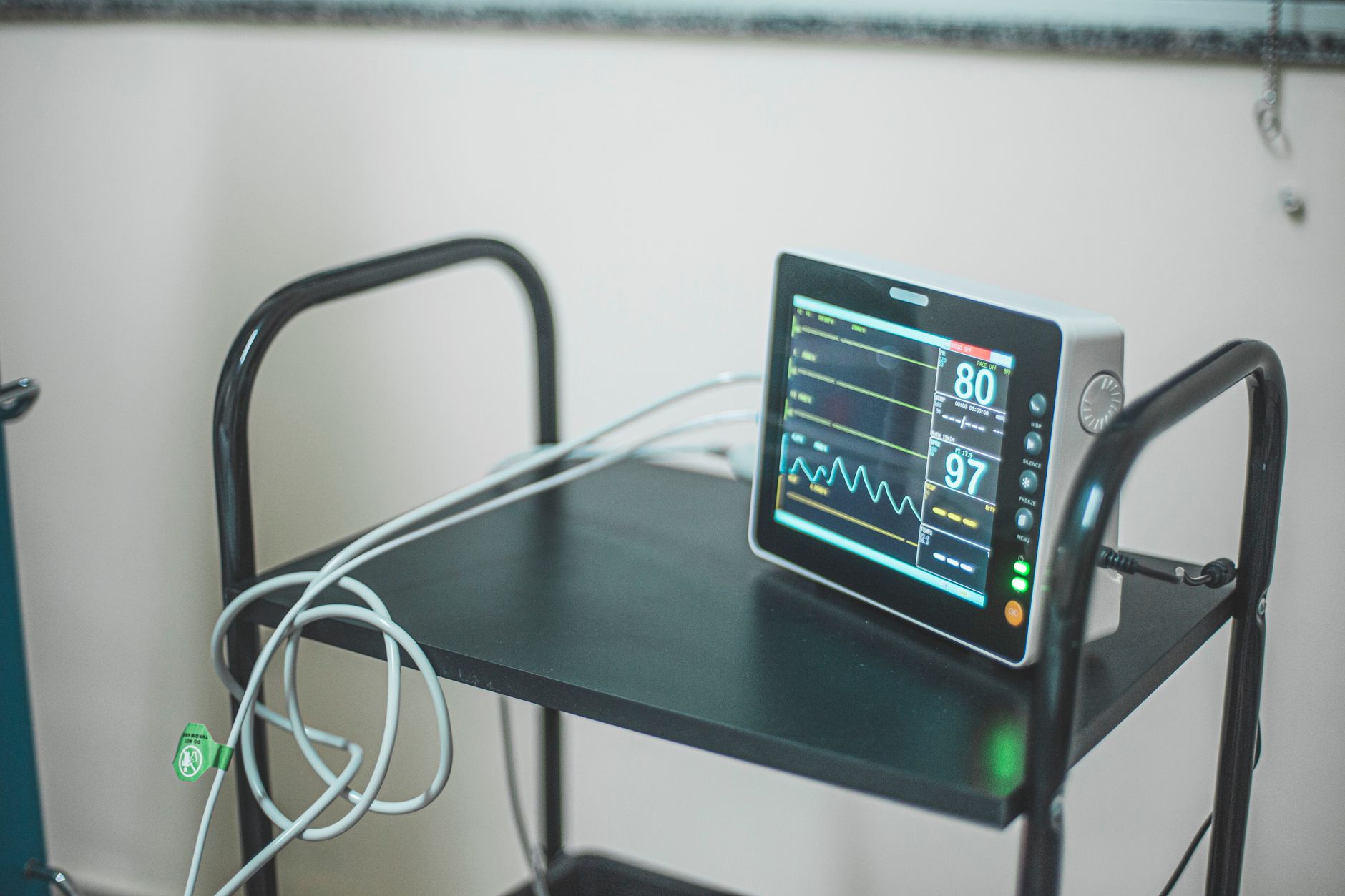
By August 2025, the cobots had logged more than 48,600 deliveries, according to the health system's account. Over the same stretch they traveled about 8,300 miles and reached about 32,100 operating hours. Those totals describe a fleet that kept moving through thousands of ordinary runs, not a pilot that happened to have a good month.
Scale is the finding. One delivery looks small, but tens of thousands of them show that the cobots became part of routine hospital logistics, handling the same kind of transport again and again. The growing role of operational departments in running the program points the same way: the work has moved from a project into daily operations.
What this deployment asks of a robot buyer
A program like this runs on more than the robot. It needs a site assessment that maps corridors, doors and elevators, a clear owner for daily operations, go live support, and a service path that gets a stalled unit back into service. Service Robot Co. is a full-service, OEM-neutral commercial robot integrator for US businesses, so selecting robots across manufacturers, deploying, integrating, training and servicing each unit can sit with one partner.
Service Robot Co. works through commercial robot leasing only, on a 3-year lease with one fixed robot lease payment quoted after a site assessment. Maintenance, on-site dispatch and remote triage run through a nationwide US engineer network, so a hospital calls one number. This study describes another organization's documented program, which we analyze as an example, not as a client story.
Frequently asked questions
Want a robot working for you?
Tell us the job and the site. We will recommend the robot, quote the lease, and keep it serviced.