a community-owned integrated healthcare system in the upper Midwest
How a Midwest Healthcare Campus Doubled Hourly Floor-Cleaning Coverage
Two autonomous scrubbers on mapped clinic and OR routes helped a community health system raise cleaning productivity about 50% across 400,000+ square feet.
- 50%
- Cleaning productivity gain
- 2x
- Sq ft per hour vs 1,500 benchmark
- 400K+
- Square feet to maintain
- 8-10 hr
- Daily autonomous runtime
Based on a documented real-world deployment. Figures are from public reporting; the organization is not named.
More floor area than hands on deck
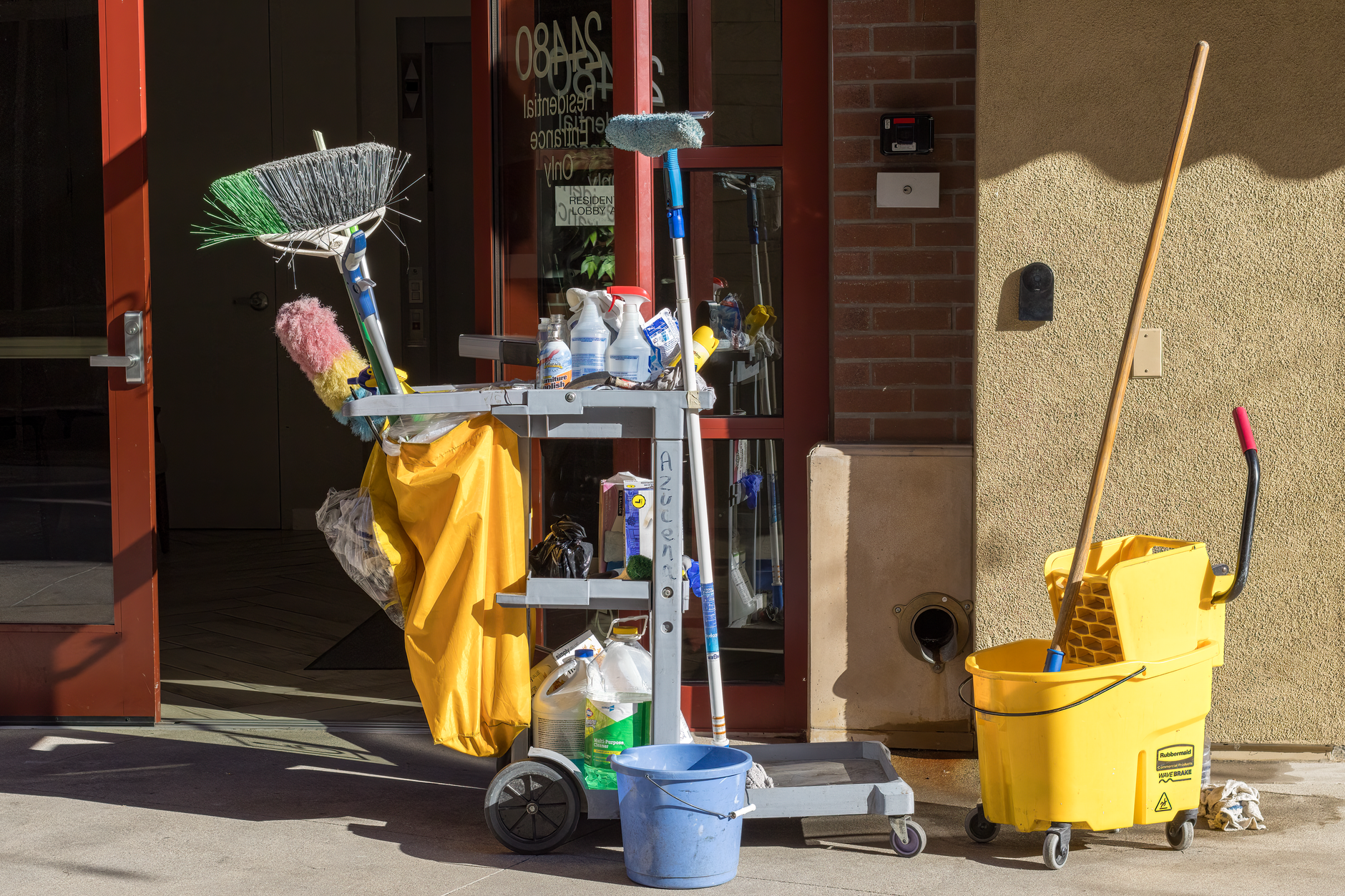
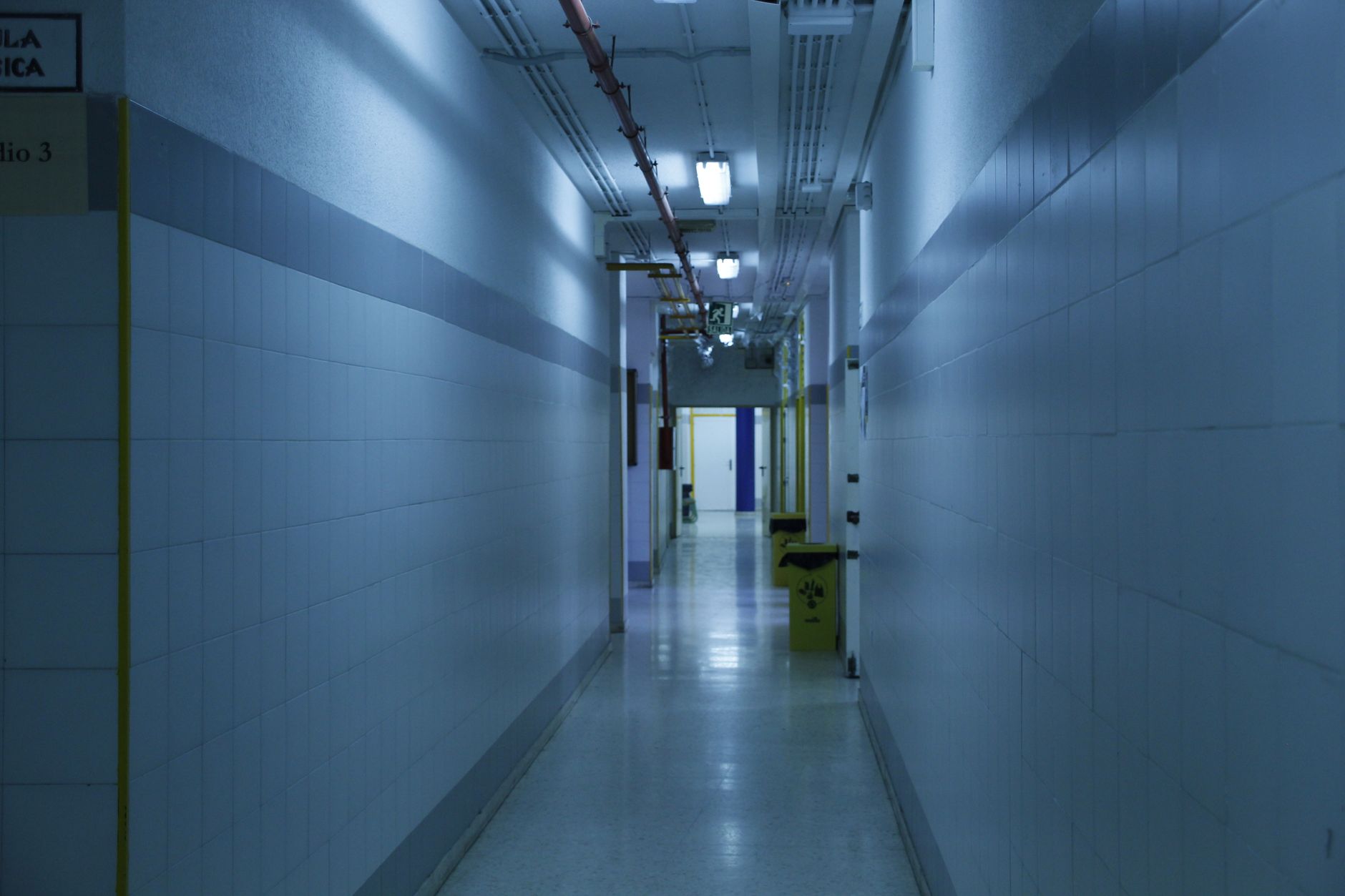
Environmental services leads oversee more than 400,000 square feet of mixed flooring, from linoleum and terrazzo to ceramic tile with grout that shows every missed pass. Healthcare cleanliness rules leave little margin for shortcuts, yet every route still has to be scrubbed at least once per day.
Floor technicians also handle laundry runs and infectious waste pickups, so the clock runs out before the last corridor gets wet scrubbed. A floor tech vacancy sat open for six to eight months, and for several years the team has often been down one full-time floor tech. Time constraints, not lack of care, became the bottleneck.
- Strict daily floor coverage across a large acute and clinic footprint
- Shared staff time between scrubbing, laundry, and regulated waste pickups
- Long-running hiring gaps in specialized floor tech roles
Mapped zones, two scrubbers, one site champion
Leadership approved two compact autonomous scrubbers and paired them with a floor technician trained as the on-site automation lead. That person mapped clinic hallways, operating room zones, and other high-traffic paths, then saved repeatable routes the whole crew could launch with minimal taps.
In the surgical clean room, staff sterilize the scrubber shell, wipe it down, and start a mapped pass so technicians skip manual mopping inside restricted space. Housekeeping teammates in long-term care units now request turns on the machines after quick fill-and-go training. The units typically run eight to ten hours per day while people parallelize other work.
- Route mapping for clinic corridors, OR areas, and shared care zones
- Designated automation champion to tune zones and train peers
- Parallel scheduling so one machine scrubs while staff prep the second route
Measured throughput and happier shifts
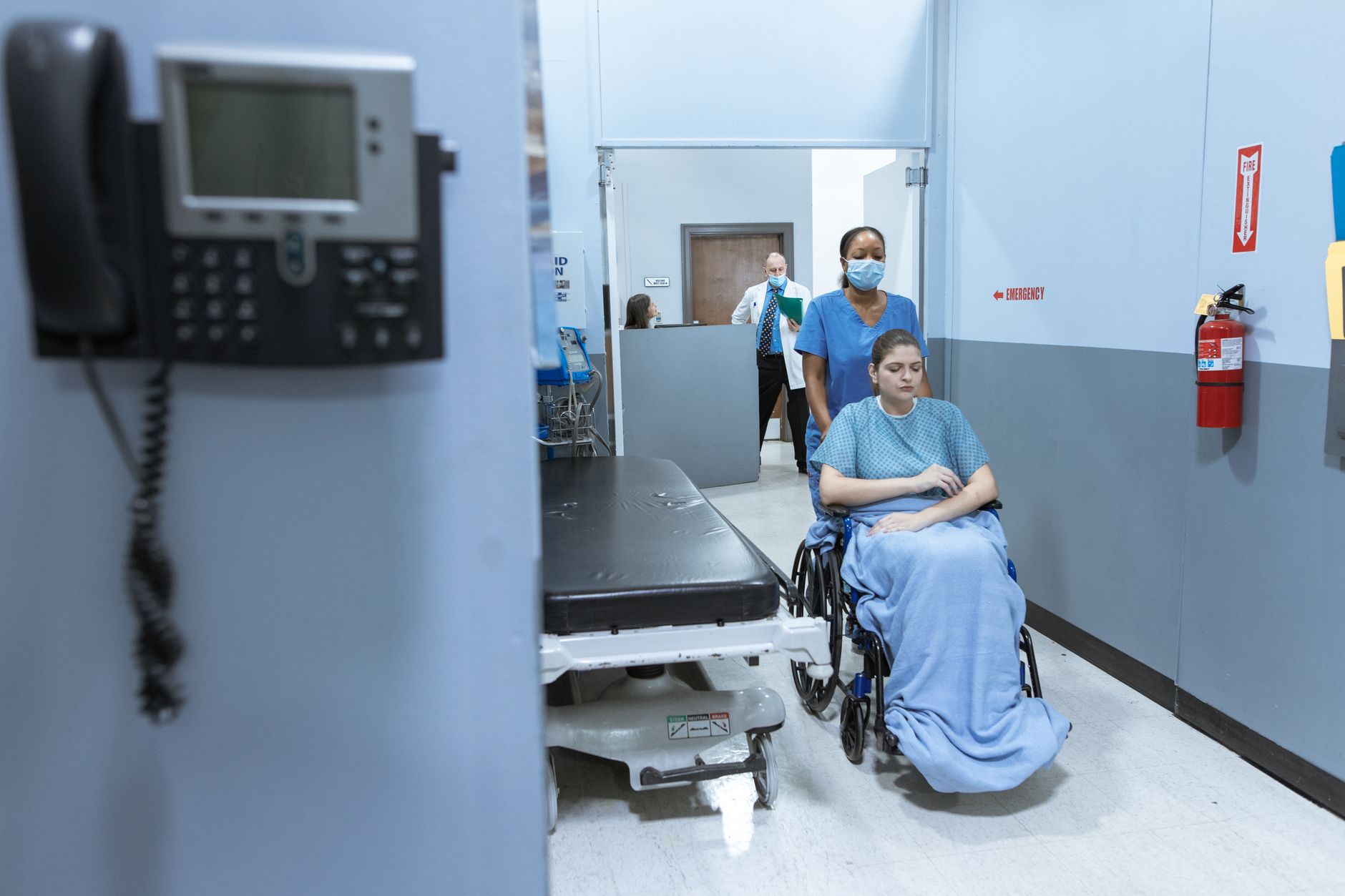
Managers report cleaning productivity up about 50 percent since the autonomous program began. Staff can shift hours to other departments that needed help, because scrubbing no longer blocks the whole shift.
On a roughly 8,000 square foot ceramic clinic hallway split into three routes, a supervisor starts the scrubber on the first leg, returns about forty-five minutes later for the second, then the third, and still finishes morning office tasks the same day. Technicians start one machine, then stage the second on another route so multiple zones advance at once.
The environmental services manager cites a national housekeeping floor-care benchmark near 1,500 square feet per hour and says measured throughput is essentially doubling that rate. Cashier and clinic staff noticed cleaner grout lines after autonomous passes, and other cleaners ask to run the units when their zones are due.
What this pattern means for your campus
Service Robot Co. is a full-service, OEM-neutral commercial robot integrator for U.S. businesses. We help facilities teams choose the right autonomous floor scrubber for mixed healthcare flooring, then handle financing, deployment, mapping support, training, and nationwide service so environmental services is not left alone after go-live.
A commercial cleaning robot rental or month-to-month autonomous floor scrubber program can cover peak square footage without waiting on a long hiring cycle. Vendor-neutral selection, one partner for integration and maintenance, and mapped overnight or day-shift routes are how campuses hold infection-control visuals steady when laundry, waste, and detail work still need human judgment.