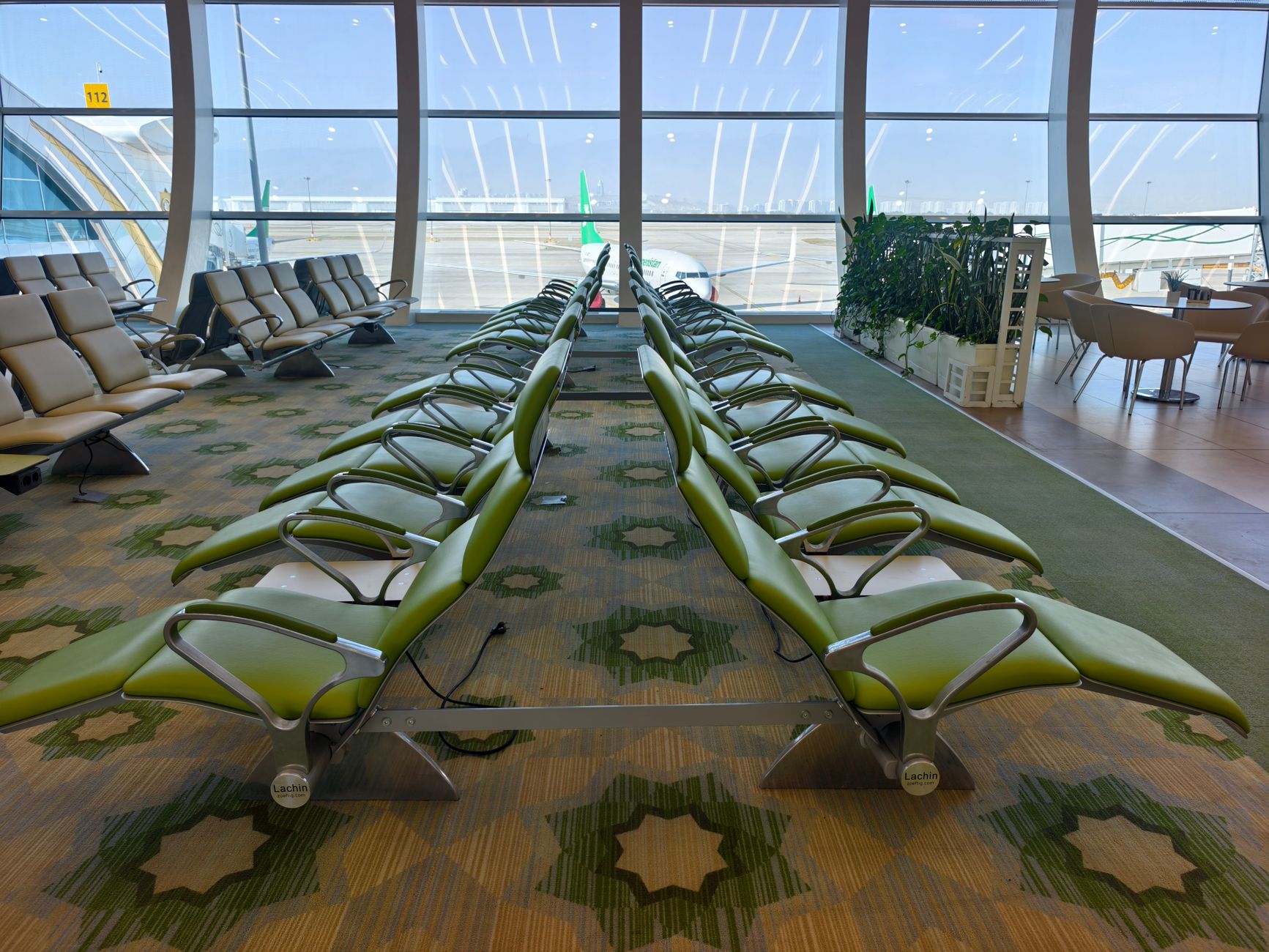
a mid-size US passenger airport in the Midwest
How a Midwest Passenger Airport Freed 24 Labor Hours Per Floor Cleaning Cycle
A Midwest passenger airport replaced 24 daily floor-scrubbing labor hours with an autonomous scrubber running three to four passes so housekeeping could focus on high-touch work.
- 24 hrs
- manual floor labor daily
- 3-4x
- autonomous scrub passes
- 120
- housekeeping staff scale
- 6 hrs
- runtime per charge
Based on a documented real-world deployment. Figures are from public reporting; the organization is not named.
Around-the-clock traffic erased the overnight cleaning window
Passenger volume at a mid-size US passenger airport in the Midwest doubled within a few years, pushing the terminal from a schedule that could close overnight into true around-the-clock operation. Terminals that once shut by 10 p.m. and reopened in the morning had given housekeeping a predictable third shift for wide-open concourses.
That quiet period disappeared as foot traffic climbed from roughly 4.5 million to 9.1 million travelers annually. A three-person team had been scrubbing hard floors overnight, averaging about 24 labor hours per day on routine passes alone. Burnishing, recoating, and detail work still sat on the same crew.
Leadership had already wired restrooms with traffic sensors so cleaners could respond to real use patterns. Floor care remained the bottleneck. An earlier robotic scrubber pilot lasted about a year and a half before the unit was returned over leaks and reliability problems, which made a skeptical housekeeping team even less eager to try again.
- Routine terminal scrubbing consumed roughly 24 labor hours per day before automation
- A 120-person housekeeping organization faced rising passenger loads without extra overnight hours
- A failed first-generation scrubber pilot hardened staff attitudes toward robotics
A second pilot built around mapping, metrics, and staff buy-in
After seeing autonomous scrubbers operating in other major airports abroad, innovation leaders prioritized reporting and route intelligence over novelty. They selected an autonomous floor scrubber with live coverage maps and productivity dashboards so managers could see missed zones and adjust plans instead of guessing.
Technicians mapped concourses onsite, set no-go and slow-down zones, and trained supervisors alongside frontline cleaners on hardware care and software checks. Leadership framed the robot as a way to upgrade work, not cut headcount, pointing to manufacturing lines where automation shifted people into equipment and quality roles.
The first unit went live in November 2019. During early trials the scrubber averaged about 200,000 square feet of flooring cleaned per week while running multiple autonomous cycles each day.
- Onsite mapping and customized cleaning plans for high-traffic terminal zones
- Supervisor training on dashboards, coverage maps, and exception handling
- Staff messaging that tied robotics to higher-touch cleaning priorities
Routine scrubbing moved off the overnight roster
Manual terminal floor scrubbing that had required a three-person overnight team and about 24 labor hours per day shifted to an autonomous unit programmed for three to four cleaning runs daily. Housekeeping reallocated time toward restrooms, seating areas, and other high-touch surfaces passengers notice first.
Managers gained shift-by-shift visibility into water use, route completion, and obstacles the scrubber learned to avoid, such as permanent art displays or recurring passenger clusters. Passenger notes frequently mentioned visible floor care, reinforcing cleanliness scores that already ranked the airport among top North American facilities serving five to fifteen million travelers.
Heavier maintenance such as burnishing and recoating stayed with trained staff, while the autonomous scrubber handled the repetitive wide-area passes that had been eating the overnight window.
What this pattern means for airport operators evaluating rentals
Airport facilities teams rarely need another piece of hardware sitting in a closet. They need a vendor-neutral partner who can match scrubber size and battery runtime to concourse layouts, finance the pilot, integrate with existing housekeeping schedules, and keep the unit running when a gate change reroutes passenger flow.
Service Robot Co. selects autonomous floor scrubbers across manufacturers, then handles deployment mapping, staff training, and nationwide service so one contract covers the lifecycle. Month to month commercial cleaning robot rental paths let you prove three to four daily passes on one concourse before you expand to rental-car facilities or satellite terminals.
When a first pilot fails, as it did here, the lesson is to fix selection and onboarding fast rather than abandon automation. The right integrator shortens that second attempt with site assessment, spare coverage, and dispatch when brushes or sensors need attention between peaks.