a 600,000-square-foot pet-products distribution center in the Midwest shipping to big-box and independent retailers
How a Midwest Pet-Products DC Doubled Case-Picking Throughput With AMRs
A 600,000-square-foot pet-products 3PL raised case-pick productivity about 85% with robot-assisted picking and returned from three shifts to two.
- 85%
- Avg productivity gain
- 150%
- Peak day gain
- 2x
- Manual EPJ volume
- 200%
- New hire day-one rate
Based on a documented real-world deployment. Figures are from public reporting; the organization is not named.
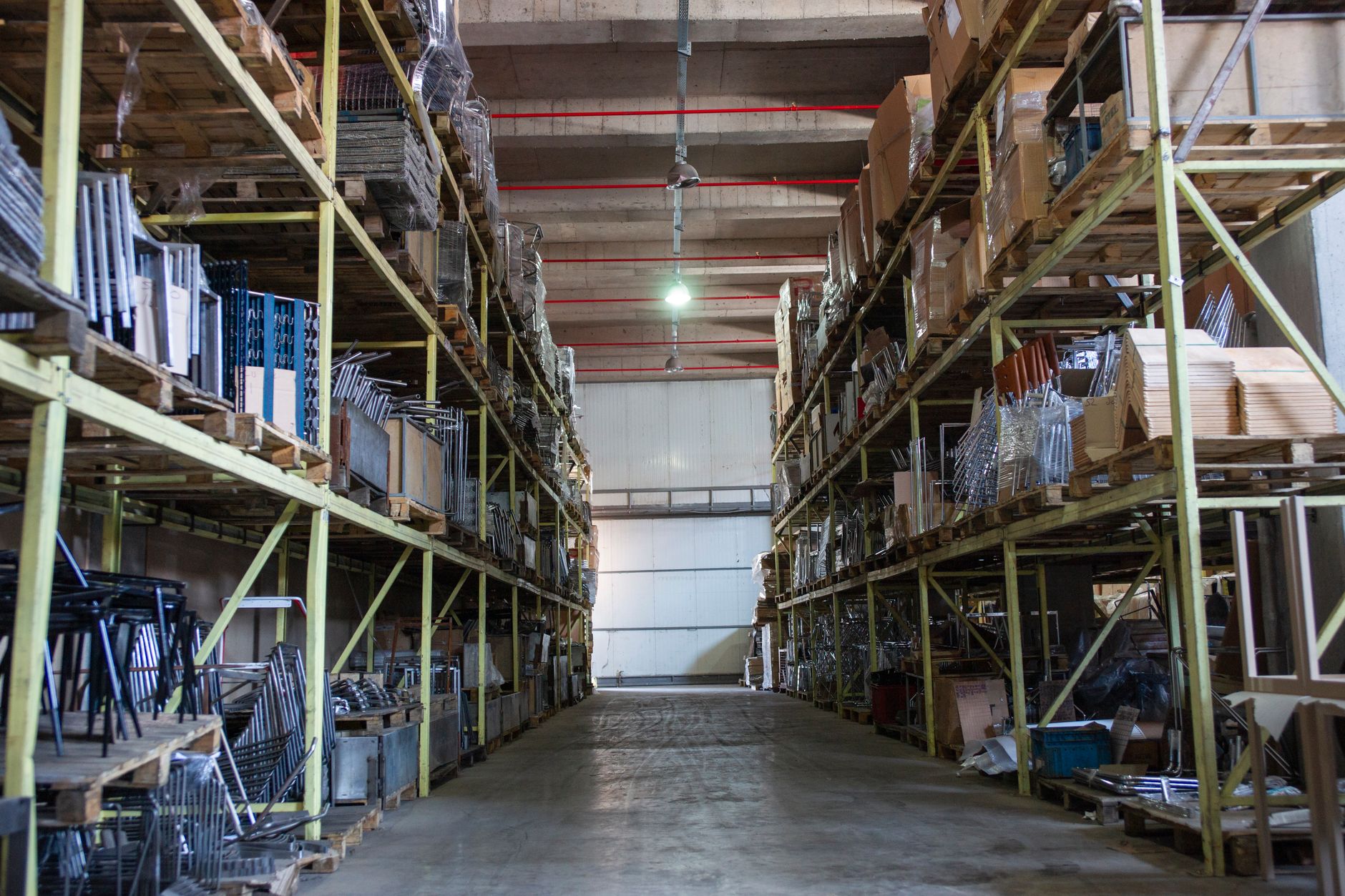
Case picking hit a ceiling on manual pallet jacks
Roughly three quarters of volume at this Midwest 3PL site moves as case picks for litter, toys, and similar pet products headed to big-box chains and independent stores. During the pandemic surge, the building ran three shifts around the clock with nine electric pallet jacks per shift just to keep pallets moving.
At full manual performance those jacks still capped how much freight could exit the 600,000-square-foot building. Associates spent hours driving equipment, building pallets in aisles, and staging loads instead of scanning cases. Training meant learning trucks, warehouse navigation, and the WMS before anyone reached steady productivity.
- 75% of volume is case picking with inner-pack and full pallet making up the rest
- Nine manual electric pallet jacks per shift before automation
- Three-shift operation during peak pet-product demand
- Congestion and safety exposure from powered trucks in pick aisles
Autonomous pallet robots took over aisle travel
Leadership mapped the case-pick path and redeployed autonomous mobile robots to carry pallets through aisles while people picked directly to the robot. The workflow broke travel away from scanning so pickers could stay at the line and release completed pallets to the fleet for staging.
Training shifted to the robotic interface first. Supervisors used guided screens for exceptions instead of asking new hires to master truck controls on day one. Change management focused on safety, accuracy, and keeping experienced pickers on the floor during phased rollout.
- Co-design pick-to-robot workflow with operations and IT
- Phase robots into live case-pick aisles without shutting the building
- Train on the robotic UI before WMS depth skills
- Monitor daily productivity boards with shift leads
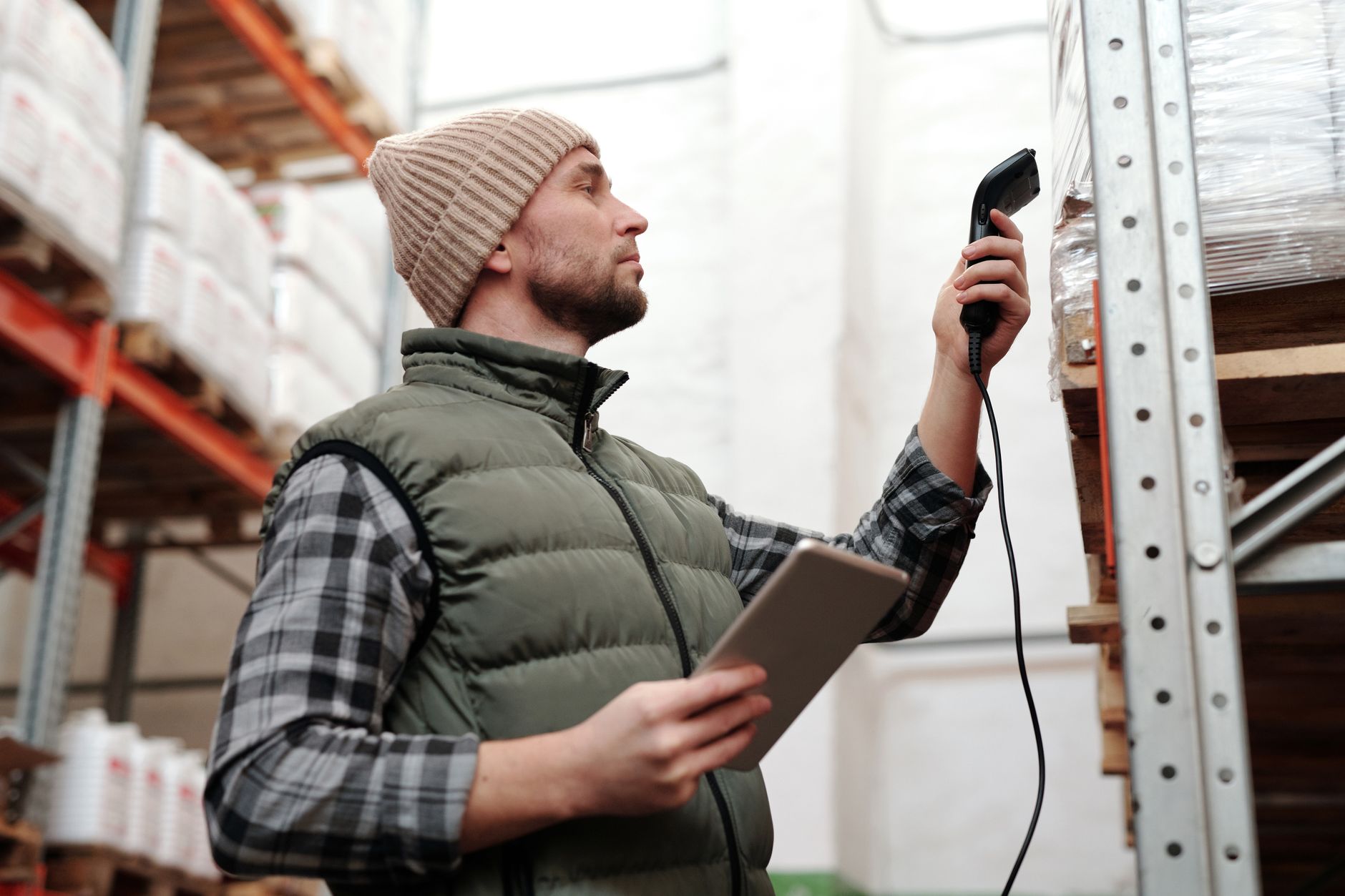
Published gains reached 85% average and double manual throughput
Reported results show productivity up about 85% on average, with certain days near 150%. Leadership described picking about twice the volume previously achieved on manual electric pallet jacks. New pickers working with robots often started near 200% of the old manual performance level because travel was no longer on their shoulders.
The added throughput let the site drop from three daily shifts back to two and reduce average picker headcount while offering redeployment elsewhere in the campus. Safety improved as powered truck miles fell and pickers handled fewer long walks with partial pallets.
What contract logistics teams should ask an integrator
This deployment is a documented industry example, not a Service Robot Co. client project. It still shows how a vendor-neutral integrator should scope AMR rental: measure travel minutes per case, not robot count alone.
Service Robot Co. selects autonomous mobile robot platforms across manufacturers, then structures warehouse robot rental or lease paths, WMS integration, training, and nationwide service. Month to month commercial robot rental can prove throughput before capital buys a fleet.
Pet-product and general merchandise 3PLs with case-heavy profiles should pilot one aisle, compare picker UPH and shift count, then scale. One partner should own site assessment, go-live support, and maintenance included service plans so robots stay productive after peak season.