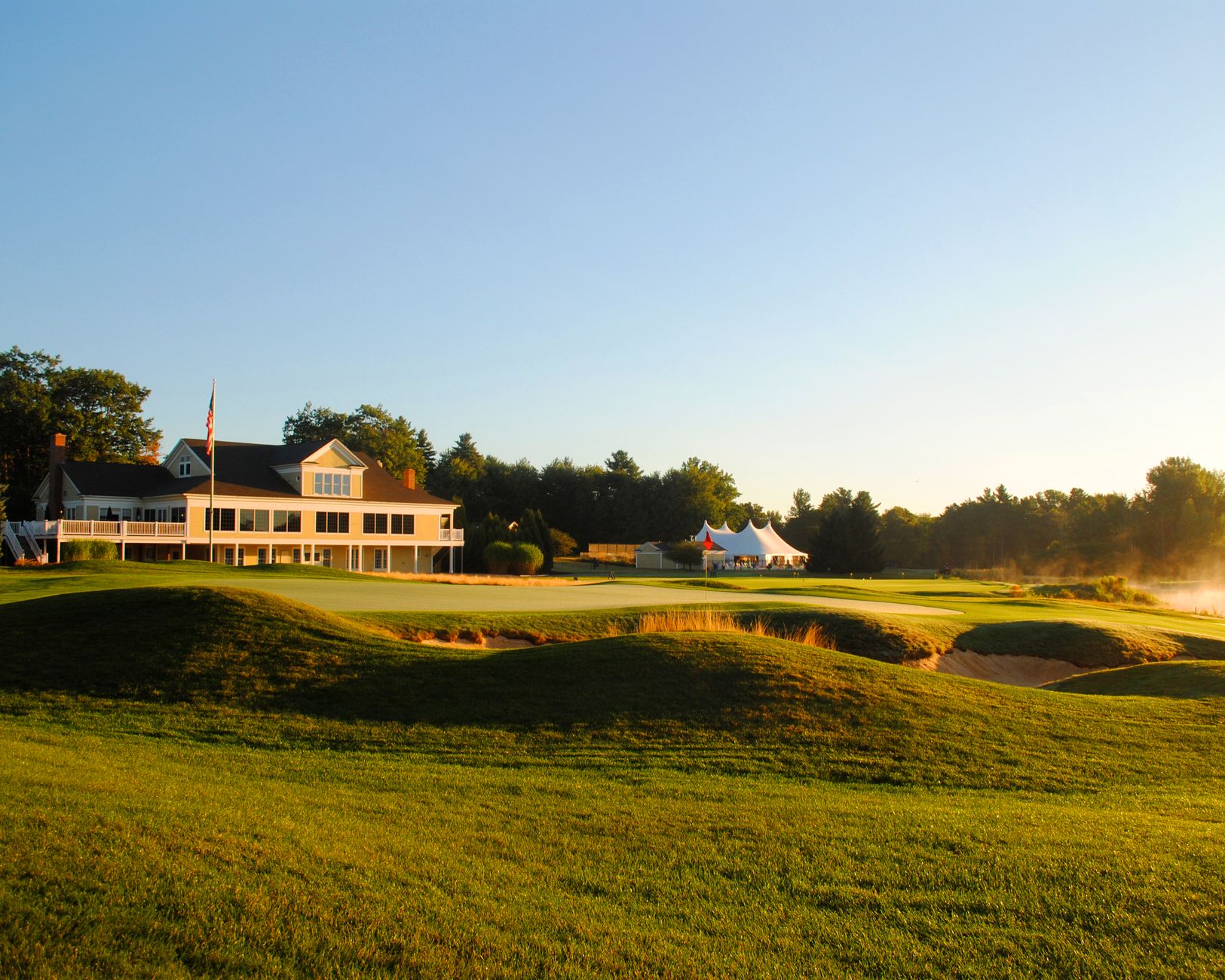
a military-affiliated 18-hole golf course in southern England
How a Military-Affiliated UK Golf Club Will Reclaim 800+ Staff Hours a Year
Documented UK golf case: autonomous mowers cover 85% of rough and carry while leadership plans to shift 800+ staff hours a year into bunker and presentation work.
- 800+ hrs
- Annual shift
- 85%
- Rough and carry
- 155 ac
- Course footprint
- 7 units
- Autonomous fleet
Based on a documented real-world deployment. Figures are from public reporting; the organization is not named.
Routine Mowing Ate the Detail Budget
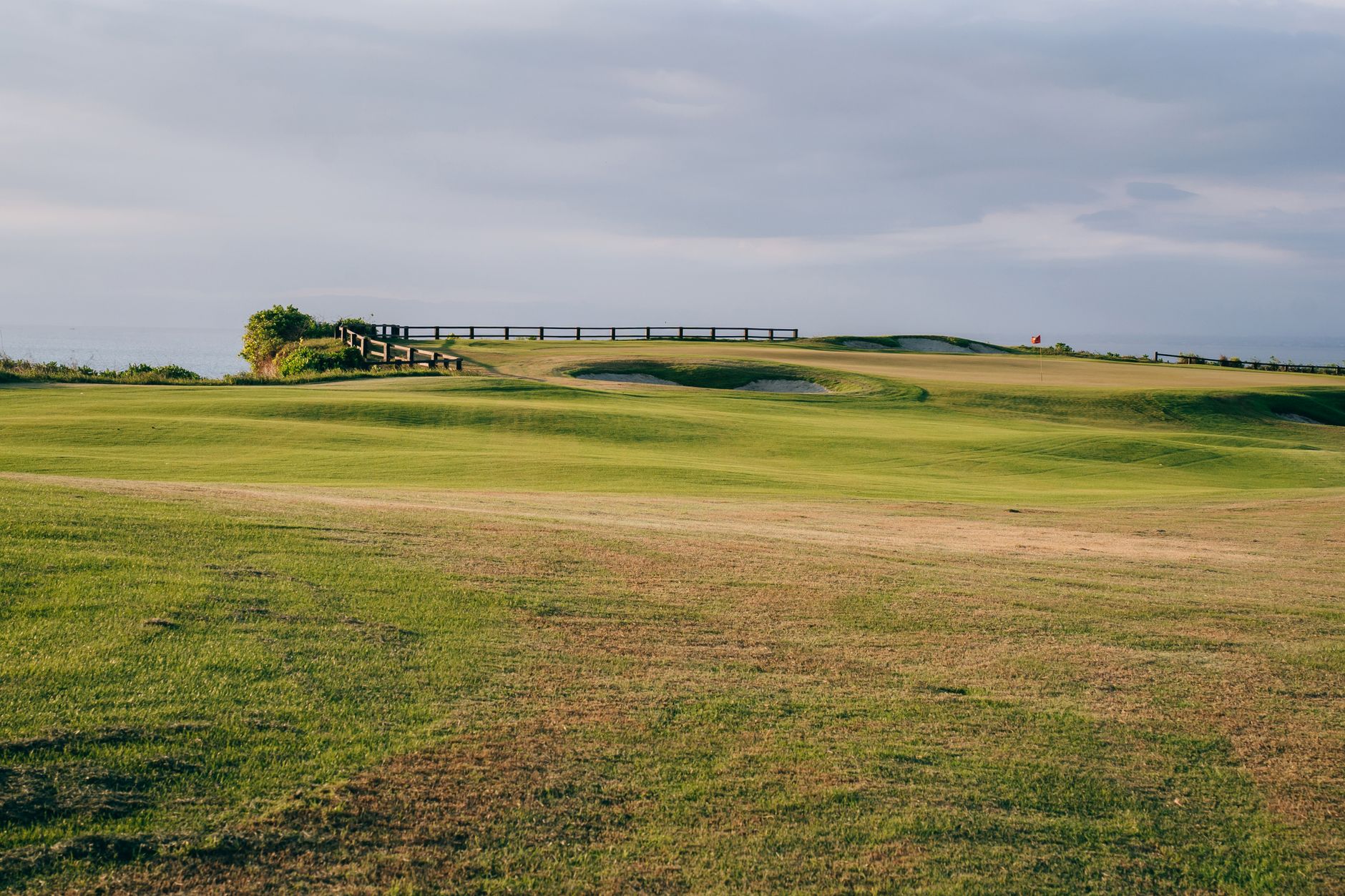
A military-affiliated 18-hole golf course in southern England sits on downland turf where members expect consistent play through wet winters and dry summer weeks. Leadership had already invested in bunkers, irrigation, and a maintenance facility, but routine cutting still consumed the greenkeeping week.
Before autonomous mowing, published reporting put summer mowing load at up to 28 staff hours weekly on greens, about 24 on fairways, 20 on rough, and 12 on approaches. The team wanted to add presentation work without growing headcount on a 155-acre site.
The board and course manager targeted the last five to ten percent of conditioning that members notice: bunker edges, tee surrounds, and semi-rough management that slip when everyone is on a mower seat.
- Shift hours from repetitive cutting to bunker and surround detail
- Cover rough and carry without adding full-time mower operators
- Run late-day and overnight passes to reduce golfer contact with equipment
A Mixed Autonomous Fleet for Large and Tight Areas
Course leadership selected a seven-unit autonomous fleet sized for a 155-acre layout, pairing larger-area machines with units built for gradients and narrow paths. Wireless reference stations supported mapping across tree-lined corridors.
Published figures say the fleet can manage about 85 percent of rough and carry areas with minimal daily intervention, cutting little and often to encourage denser turf. Mowing windows moved to late afternoon and overnight so members saw fewer greenkeepers on traditional ride-ons.
The club framed the project as modernising course management while keeping skilled staff on agronomy and presentation instead of replacing them.
- Map rough, carry, and transit paths before the first autonomous cycle
- Pair wide-area autonomous units with machines for slopes and tight routes
- Schedule passes when play is light to keep fairways ready at opening
- Train staff to monitor schedules and fleet health alongside hand work
Hours Returned to Bunkers and Surrounds
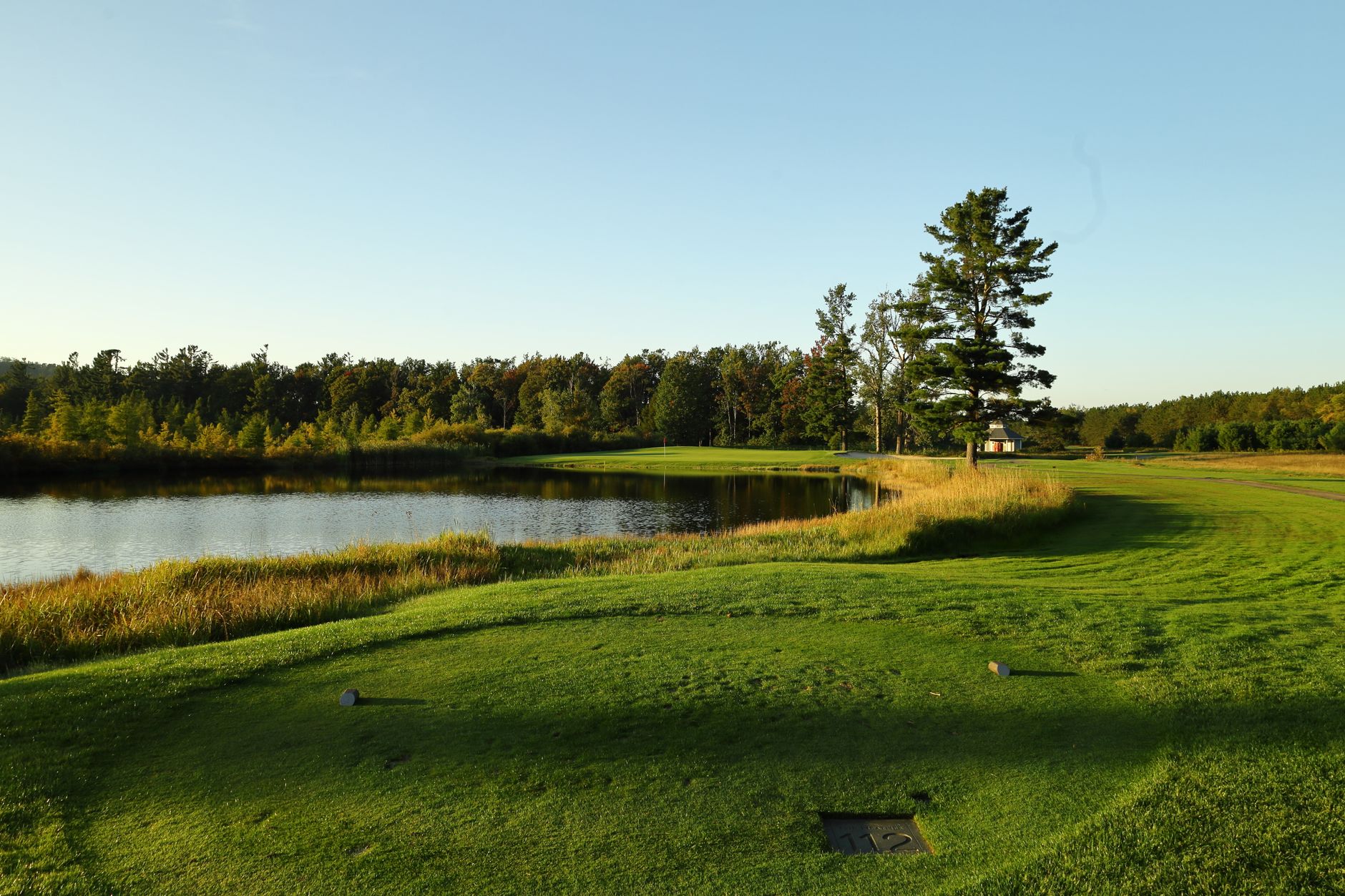
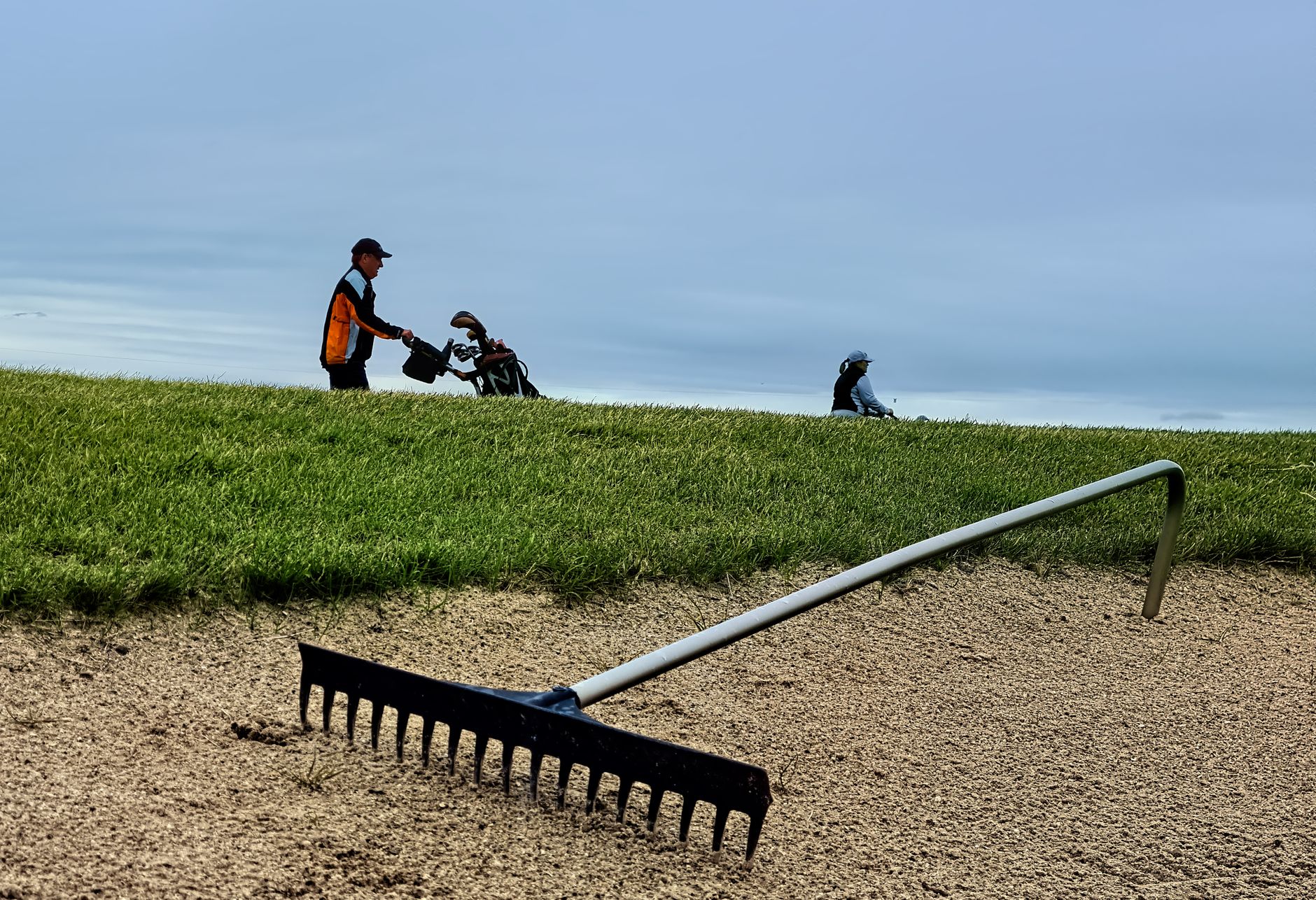
With autonomous units handling most rough and carry mowing, leadership reports significantly less time on routine cutting tasks. The course manager estimates more than 800 staff labour hours a year can move into bunker work, clubhouse environs, surface refinement, and peripheral presentation.
Members backed the change, citing more consistent cut quality and frequency while golfer contact with mowing equipment dropped. Leadership also expects a lighter equipment footprint to help winter mowing performance on sensitive turf.
The operation treats the fleet as a long-term investment in presentation and proactive turf management rather than a one-season experiment.
What US Superintendents Can Benchmark
This is a documented real-world example, not a Service Robot Co. deployment. It still shows how UK courses size mixed autonomous fleets for rough and carry, then bank hours for detail work members actually feel.
Service Robot Co. maps fairways, rough, and paths separately, stays vendor neutral, and packages autonomous mowing with clubhouse scrubbers, path sweepers, and lot cameras when a property wants one monthly program. Buy or lease financing, deployment, training, and RoboCare support are built for clubs that need predictable coverage without growing the mower roster.