a large academic medical center spanning five city blocks and 13 stories
How a Large Academic Hospital Reallocated 3,233+ Hours From Linen and Waste Hauls
Documented EVS case study: a five-robot tug fleet logged 78,000 deliveries and reallocated 3,233+ walk hours so staff could focus on patient-area sanitation.
- 3,233+ hrs
- Walk time back
- 78,000+
- Deliveries
- 9,700 mi
- 2024 travel
- 5 robots
- EVS fleet
Based on a documented real-world deployment. Figures are from public reporting; the organization is not named.
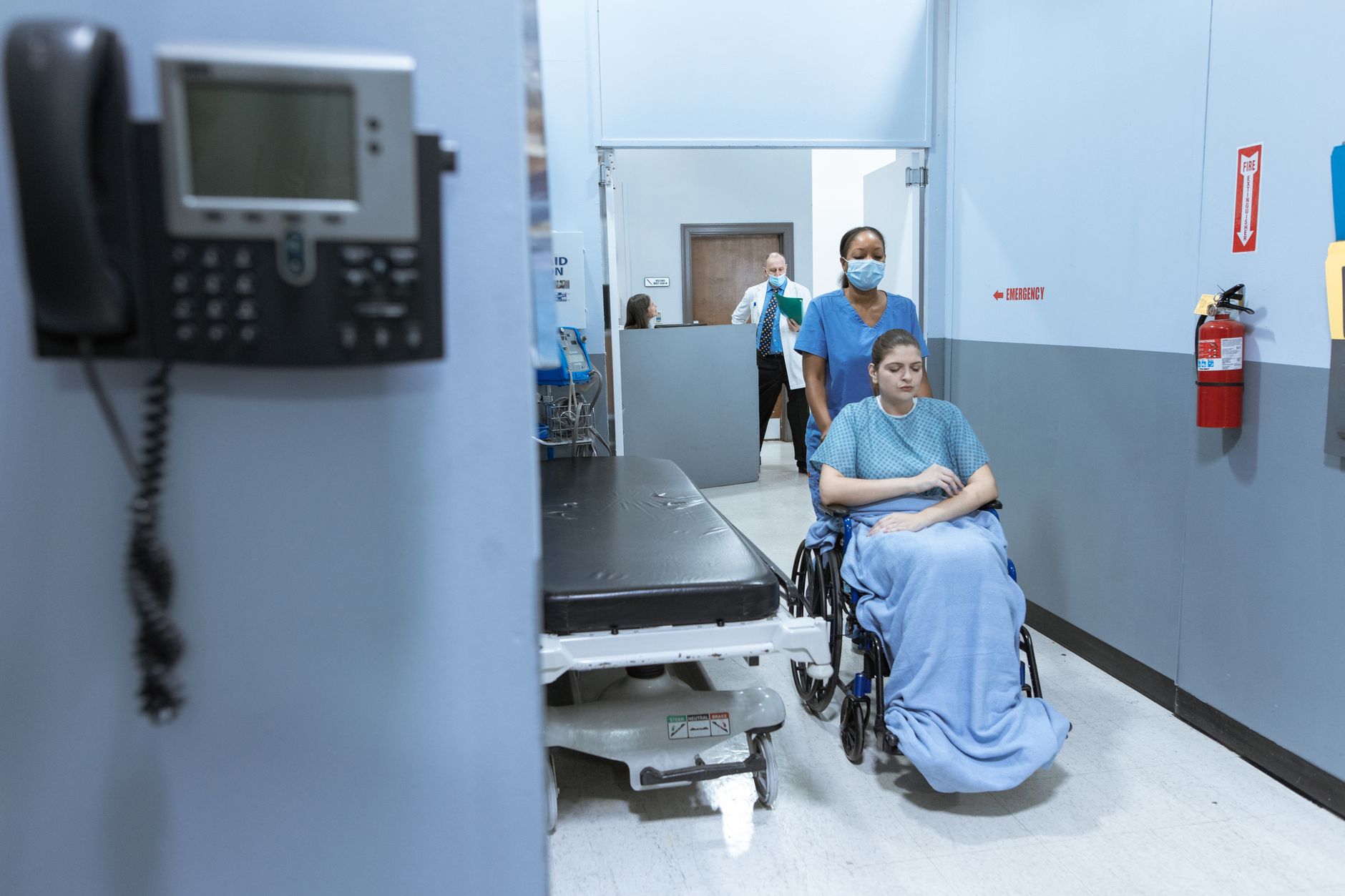
Heavy carts across a vertical campus
Environmental services at a large academic medical center spanning five city blocks and 13 stories faced a simple math problem. Soiled linen, trash, recycling, and regulated medical waste all had to reach the dock, and the building footprint measured about two and a half million square feet.
That work fell on a 22-person EVS team already responsible for patient-facing sanitation. Hauling loaded carts through corridors and elevators pulled staff away from rooms, units, and support areas that needed human attention.
Construction on campus later tightened some routes, which made dependable internal transport even more important. Leadership needed repetitive transport automation that could run on a schedule without adding another full-time walker on every shift.
- Move linen and waste carts without constant manual towing
- Protect a small EVS team from strain on long indoor routes
- Keep sanitation coverage steady during campus construction
Queue-based tugs with human oversight
The hospital introduced a five-robot fleet of autonomous mobile tugs that attach to laundry and waste carts, lift them, and tow them along assigned routes. Supervisors queue transport jobs while staff monitor runs from a workstation or tablet.
The units use forward-facing sensors to detect obstacles and move slowly around blockages. Each robot runs about twelve hours per shift and returns to a charging dock automatically. EVS staff also trained other departments on how to share corridors without disrupting deliveries.
The fleet has operated on campus since 2023, with 2024 treated as the first full year of measured mileage and delivery counts in the public reporting.
- Assign cart moves to a supervisor-managed job queue
- Let tugs handle attach, tow, and dock charging cycles
- Keep a human monitor for exceptions and cross-department coordination
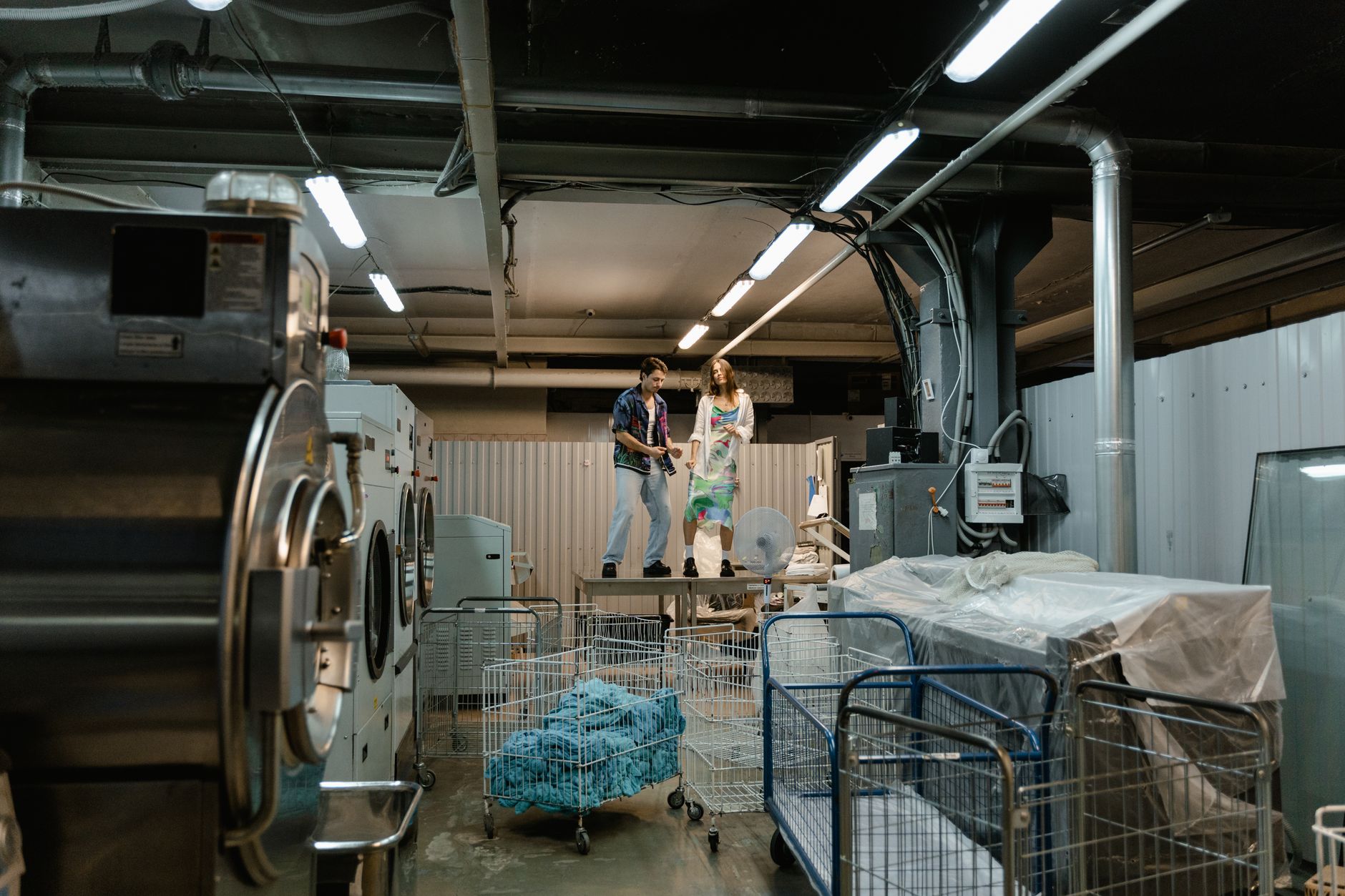
Miles converted into sanitation time
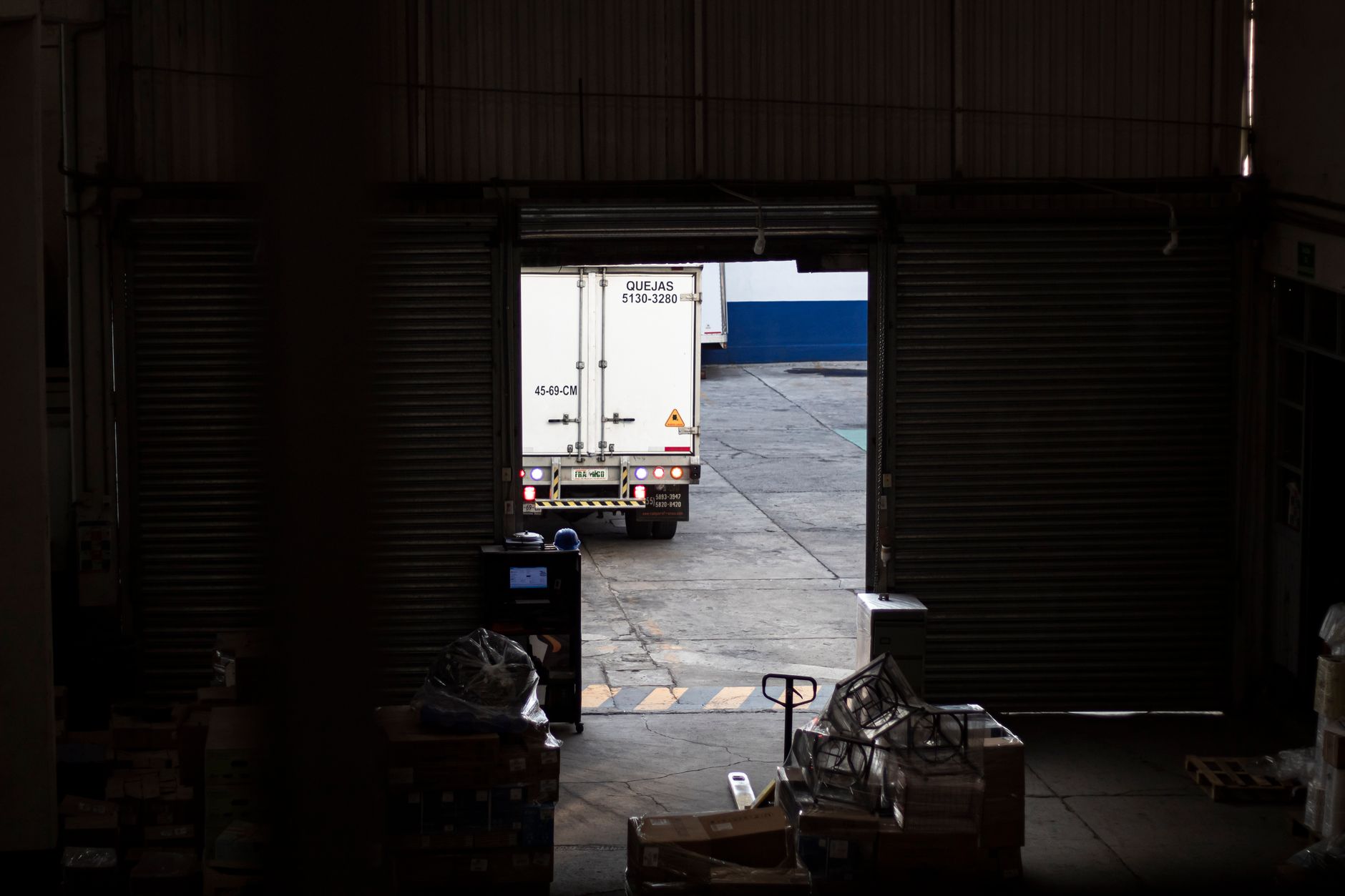
In 2024 the fleet traveled more than 9,700 miles and completed more than 78,000 deliveries, according to the documented reporting. That included hauling more than six million pounds of trash, 740,000 pounds of recycling, and 370,000 pounds of regulated medical waste.
Leadership translated that travel into more than 3,233 hours the EVS team could apply to patient care support instead of walking carts to the sanitation dock, using an average walking speed of three miles per hour.
Supervisors described the robots as a morale boost for a team that had carried heavy loads through difficult periods. The measurable gain is time returned to sanitation work that only people can finish.
Internal logistics deserve the same discipline as clinical tech
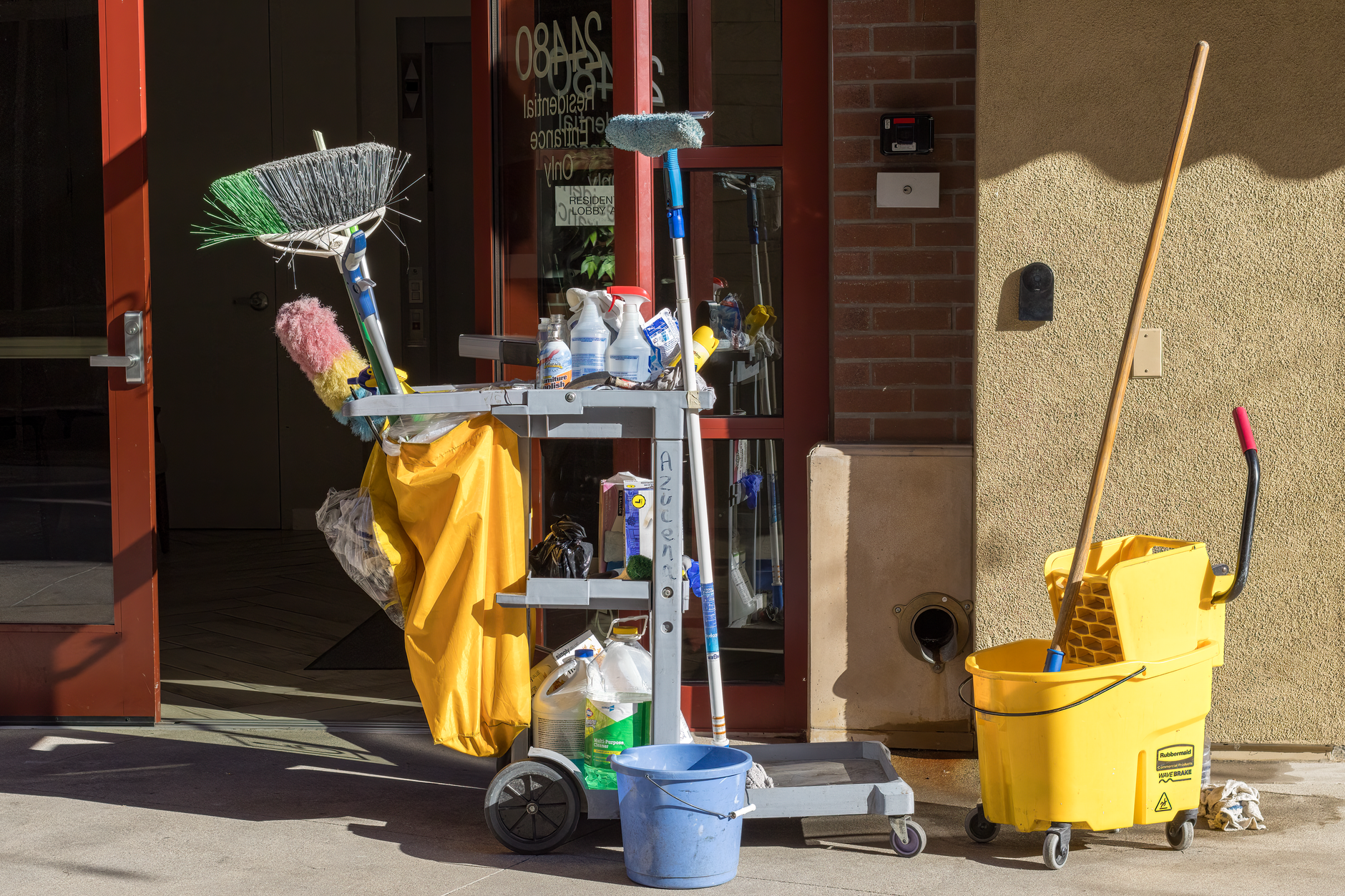
This is a documented real-world example, not a Service Robot Co. deployment. It shows why hospital delivery robot rental and autonomous mobile robot rental programs are judged on corridor miles, not demo videos.
Service Robot Co. is a vendor neutral robot integrator for US hospitals and health systems. We match tug robot rental or purchase options to your dock layout, elevator rules, and EVS workflow, then finance, deploy, train, and service units through a nationwide network of regional service engineers. One partner handles site assessment mapping, go live support, and robot maintenance service plan options when you scale beyond a pilot.