a bulk-material mining operation with four load-out bins
How a Mine Cut Load-Out Bin Inspection Time 68% With a Wall Robot
A bulk mining site cut load-out bin inspections from 12 to 14 hours to about four hours per bin, mapped 100% of liner UT data, and kept crews out of confined space.
- 68%
- Time cut
- 12→4 hrs
- Per bin
- 100%
- Liner mapped
- 0 entry
- Confined space
Based on a documented real-world deployment. Figures are from public reporting; the organization is not named.
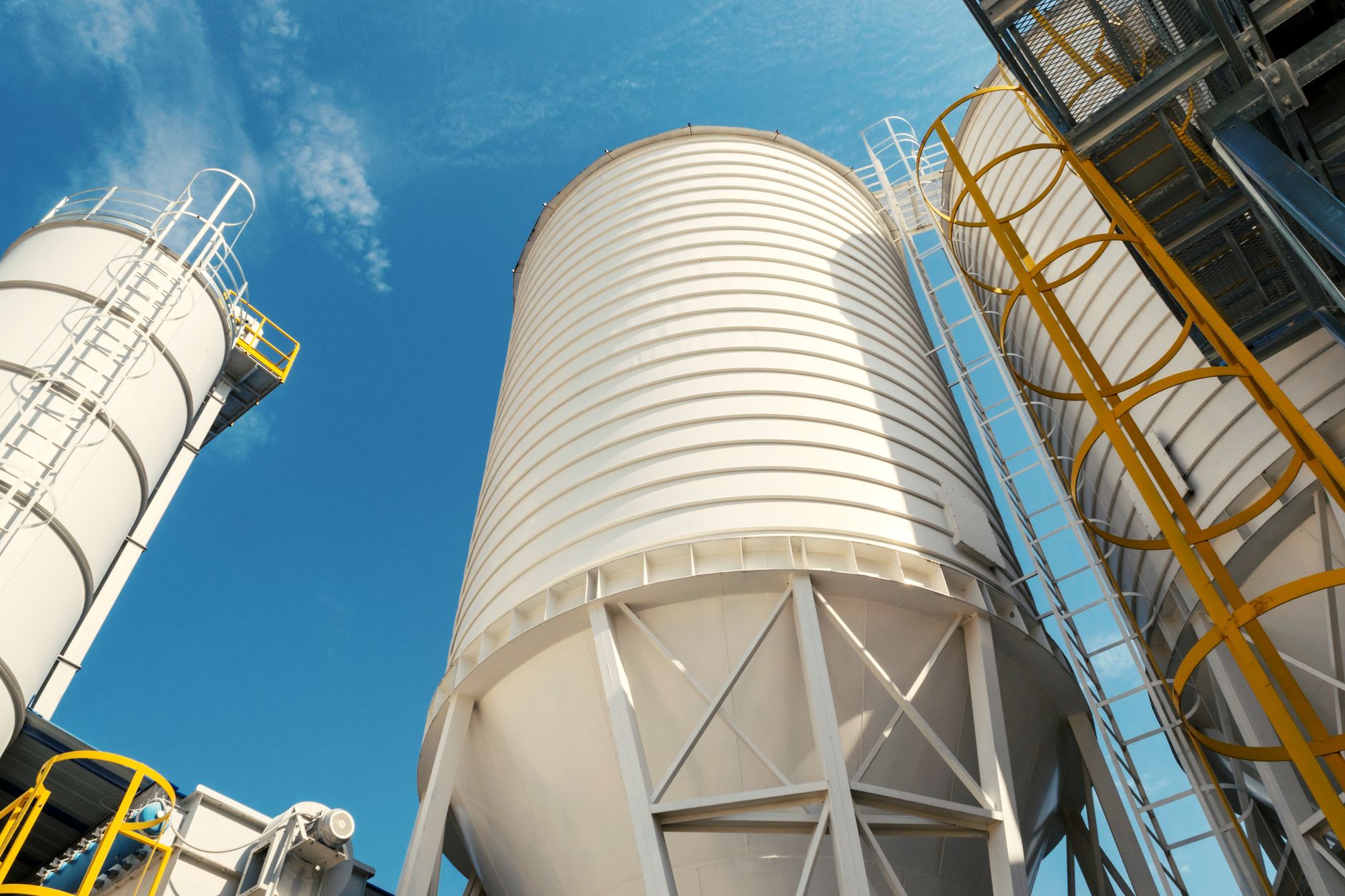
Rope crews on high wear bins
Four transfer load out bins sit at the heart of this bulk material circuit, handling abrasive ore flow that chews through composite liners. A local wear through can damage the shell, contaminate the stream, and trigger multi day shutdowns.
Legacy inspections sent six to eight rope access technicians into each bin under confined space permits. One bin consumed twelve to fourteen hours including rigging, and the team only captured spot ultrasonic readings from reachable walls.
- Six to eight people per bin entry
- Twelve to fourteen hours per bin
- Partial liner thickness data
Magnetic crawler with mapped UT
Maintenance replaced suspended walks with a magnetic wall climbing crawler that tracks across vertical and curved liner surfaces. A top mounted visual survey ran without human entry while a spatial mapping rig tied each thickness reading to a fixed location inside the bin model.
When buildup blocked the probe path, an onboard brush cleared the spot before measurement so readings stayed consistent. Operators monitored coverage from a ground control station and exported a repeatable baseline for all four bins.
- Top aperture visual survey, no entry
- Autonomous UT grid on all four walls
- 3D map links each reading to location
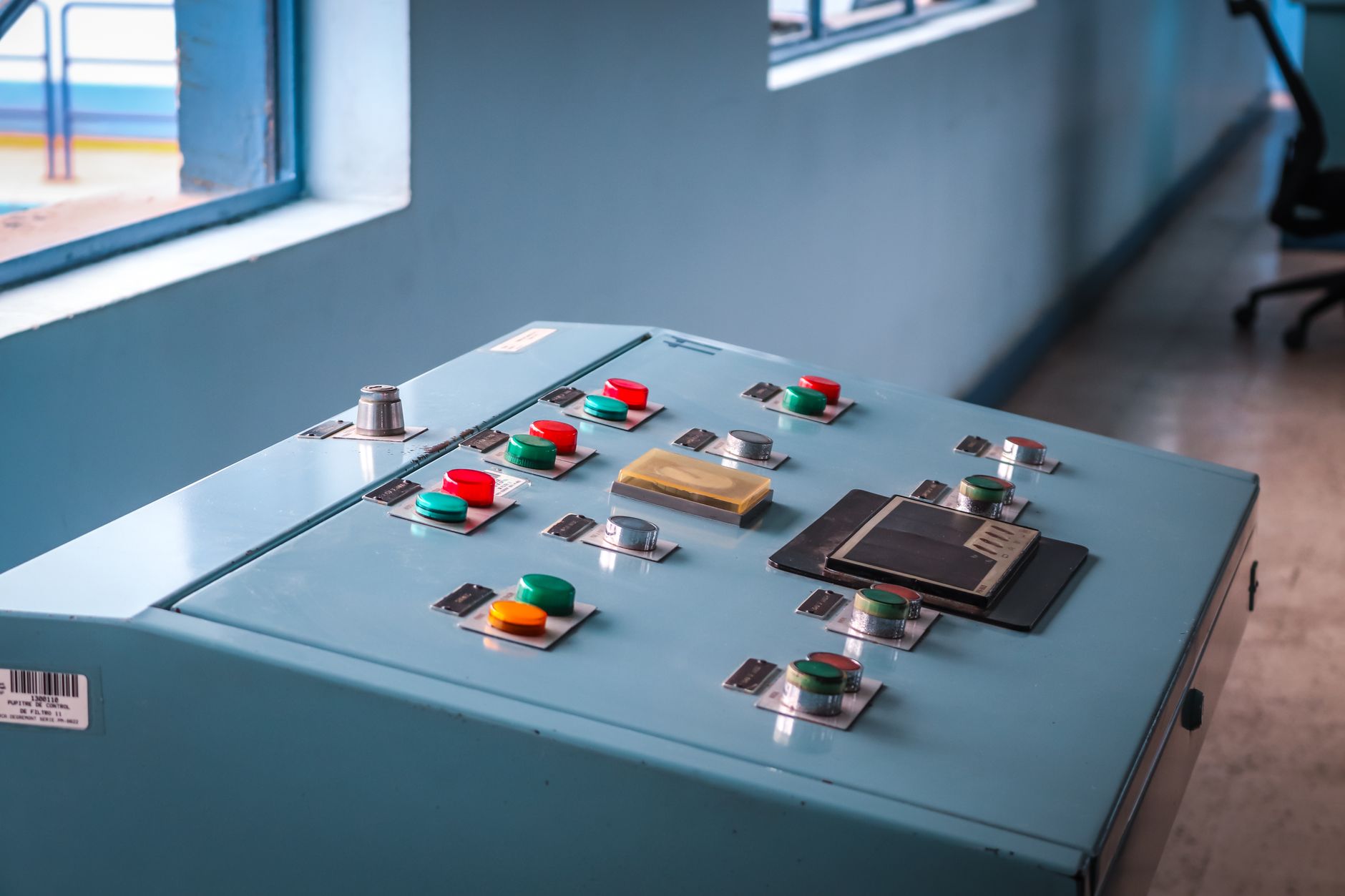
Four hours and full liner maps
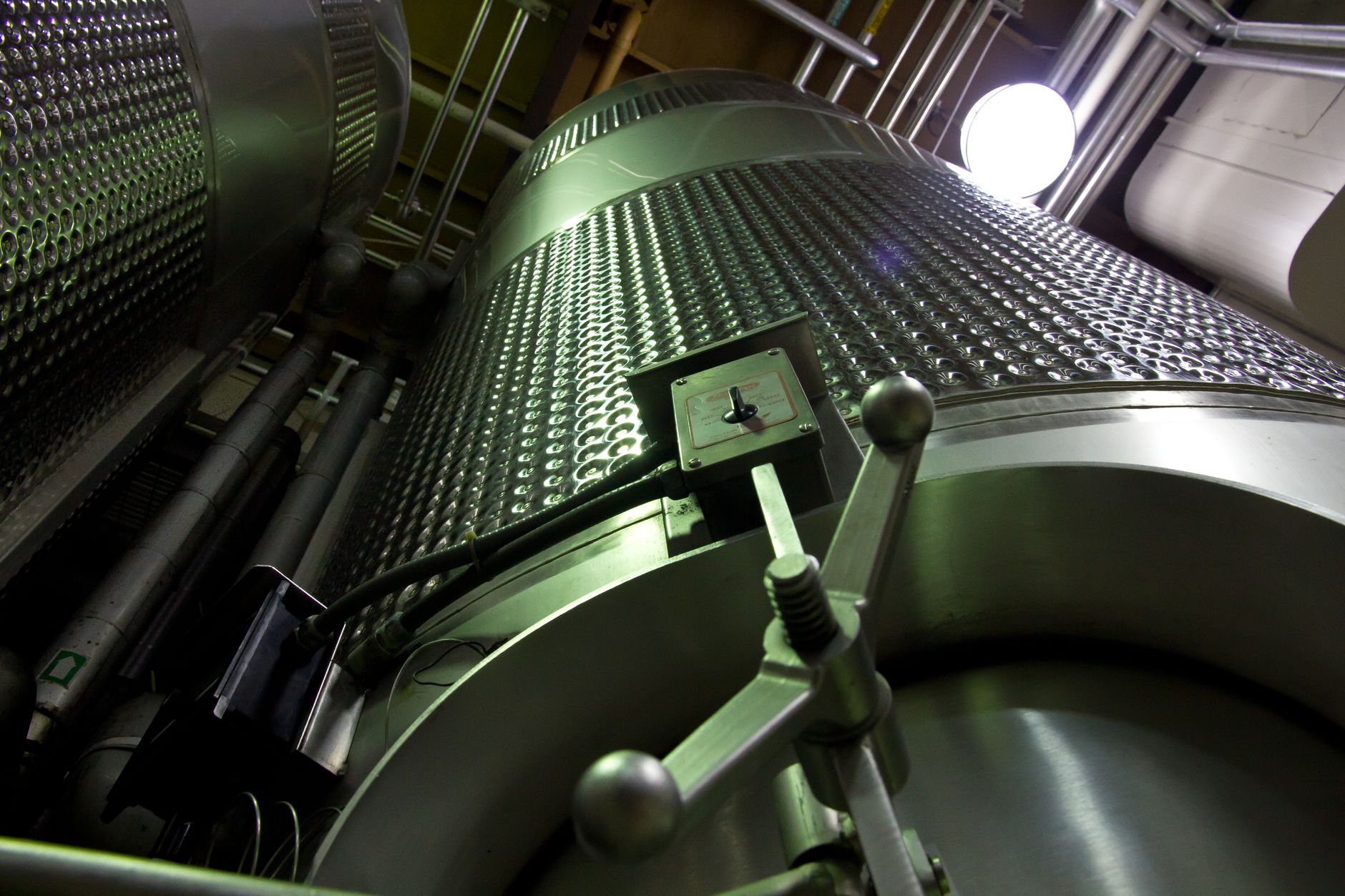
Inspection time per bin fell about sixty eight percent, from twelve to fourteen hours down to roughly four hours including setup. All four bins were completed inside a two day maintenance window with zero personnel working at height inside the vessels.
The crew captured one hundred percent liner surface coverage with spatially mapped ultrasonic data instead of spot checks. The first robotic pass flagged accelerated wear in a zone that rope access had never reached, allowing planned liner work before failure.
What this means for load out maintenance
High wear bins often need inspection robot rental or wall climbing pilots before capital buys a fleet. A single two bin trial proves four hour cycles and mapped UT grids while keeping confined space permits off the calendar.
Service Robot Co. is a vendor neutral integrator for magnetic inspection crawlers and supporting ground teams. We finance, deploy, train operators, and maintain robots through a nationwide US engineer network so one partner covers rental, integration, and service for the full lifecycle.