a bulk-mining operation inspecting four transfer-load-out bins
How a Bulk-Mining Operation Cut Ore-Bin Inspection Time 68% With Crawlers
A bulk-mining operation cut transfer-load-out bin inspections from 12–14 hours to about four hours per bin while mapping 100% of liner surfaces without confined-space entry.
- 68%
- Time per bin
- ~4 hrs
- Robotic pass
- 100%
- Liner mapped
- Zero
- Confined entry
Based on a documented real-world deployment. Figures are from public reporting; the organization is not named.
Rope access, long shutdowns, and patchy liner data
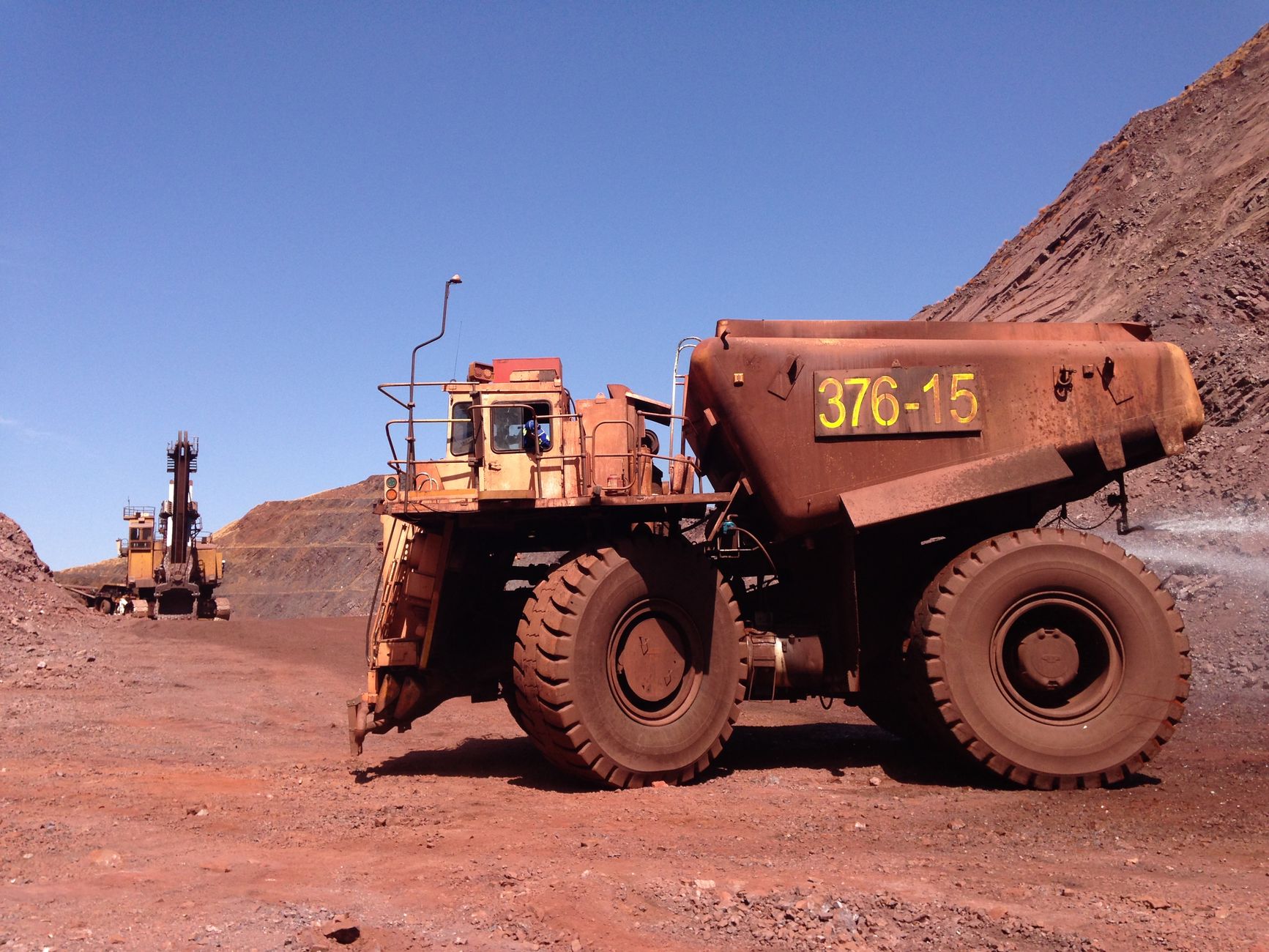
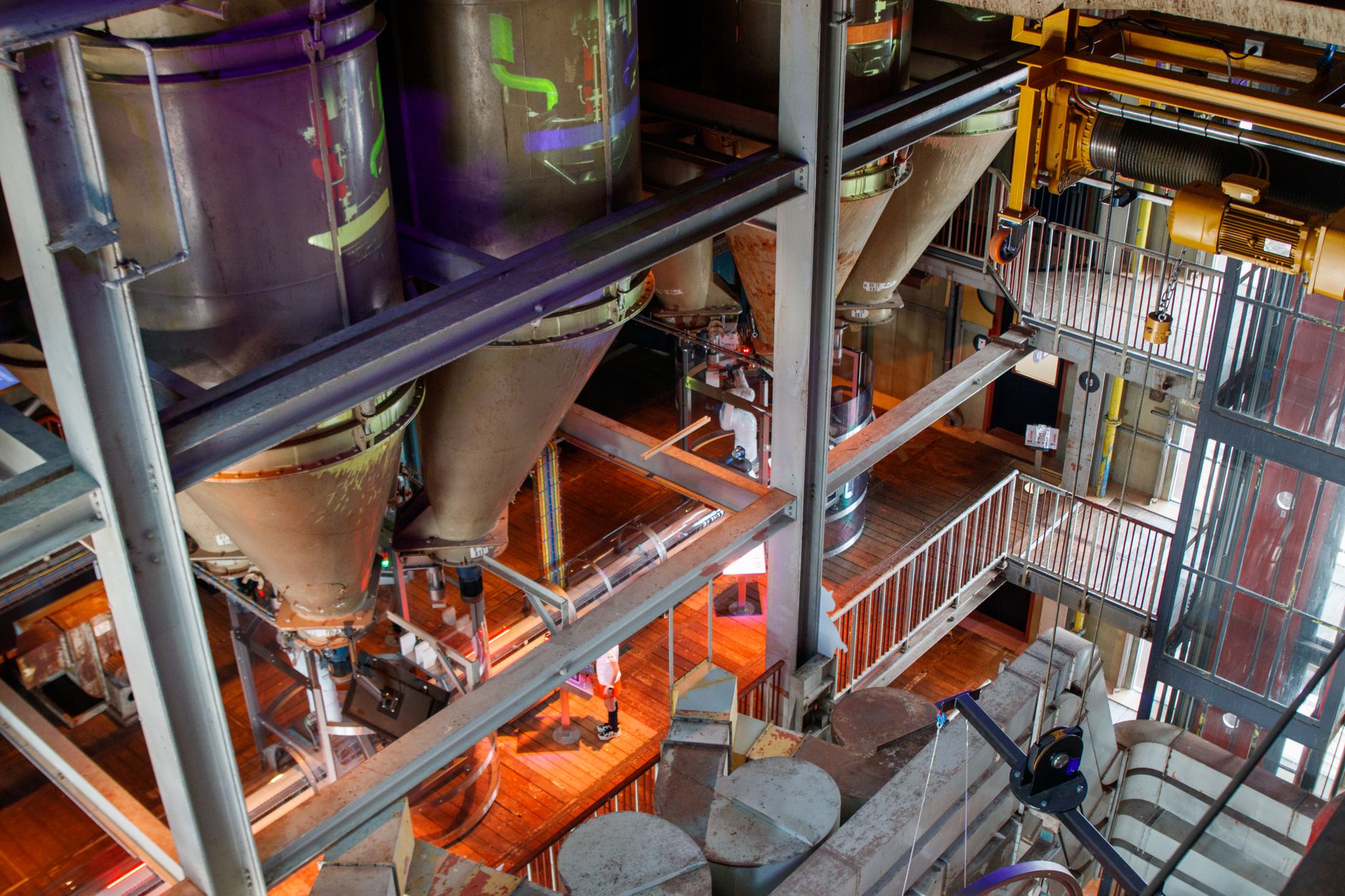
Four high-throughput transfer load out bins feed abrasive ore in a fixed plant circuit where liner wear can trigger unplanned stoppages. The legacy program sent six to eight rope access technicians into each bin under confined space and working-at-height permits, with rescue standby on every event.
A single bin consumed twelve to fourteen hours including rigging, access, inspection, and demobilisation. All four bins required a multi-day shutdown, yet reports stayed qualitative with spot thickness readings from whatever surfaces a suspended technician could reach.
- Confined space entry and fall exposure each cycle
- Twelve to fourteen hours per bin under rope access
- No spatial baseline to trend wear across inspections
Wall-crawling robots with mapped thickness and 3D context
The site replaced in-bin personnel with a modular robotic inspection stack deployed across all four bins in one maintenance window. A top-mounted visual system surveyed the full interior without entry while magnetically tracked crawlers captured ultrasonic thickness across vertical walls, curves, and floors.
A simultaneous 3D mapping pass tied every image and thickness reading to a fixed coordinate inside each bin, building a repeatable baseline. Operators monitored coverage live and exported datasets for comparison on future cycles.
- Deploy visual survey from the bin top aperture only
- Run crawlers to clear buildup and probe liner thickness systematically
- Register all readings to a 3D model for wear-rate tracking
Faster cycles, full coverage, and an early wear find
Each bin finished in about four hours including setup and demobilisation, a sixty-eight percent reduction versus the twelve to fourteen hour rope access window. The four-bin program completed inside a two-day shutdown and returned the line ahead of the prior schedule.
Maintenance received one hundred percent liner surface coverage with spatially mapped thickness data instead of partial spot checks. No personnel worked at height or inside a confined space during the program, and mapped data flagged accelerated wear in a zone previously unreachable by rope teams.

What heavy industry teams can take from this example
This is a documented real-world outcome, not a Service Robot Co. client project. It shows why mines and bulk handlers evaluate wall-crawling inspection robots when rope access drives cost, risk, and blind spots on high-consequence bins.
Service Robot Co. is a vendor-neutral integrator that selects inspection crawlers and supporting sensor packages, then finances, deploys, trains, and services them through a nationwide engineer network. One partner covers site assessment, pilot routes, and ongoing support.
A month to month inspection robot rental can prove a four-hour bin loop on one asset before you scale crawlers across the rest of the circuit.