a Minnesota K-12 school district with shared middle and high school campuses
How a Minnesota School District Cut Lunchroom Floor Care From Three Staff to One
Minnesota K-12 district bought a $53,218 autonomous scrubber, cut lunchroom cleaning from three to one staff, and removed an evening custodian role.
- 3 to 1
- Lunchroom crew
- $53,218
- Scrubber cost
- 1 FTE
- Role removed
- 8-10 yr
- Unit lifespan
Based on a documented real-world deployment. Figures are from public reporting; the organization is not named.

Thin custodial coverage across secondary campuses
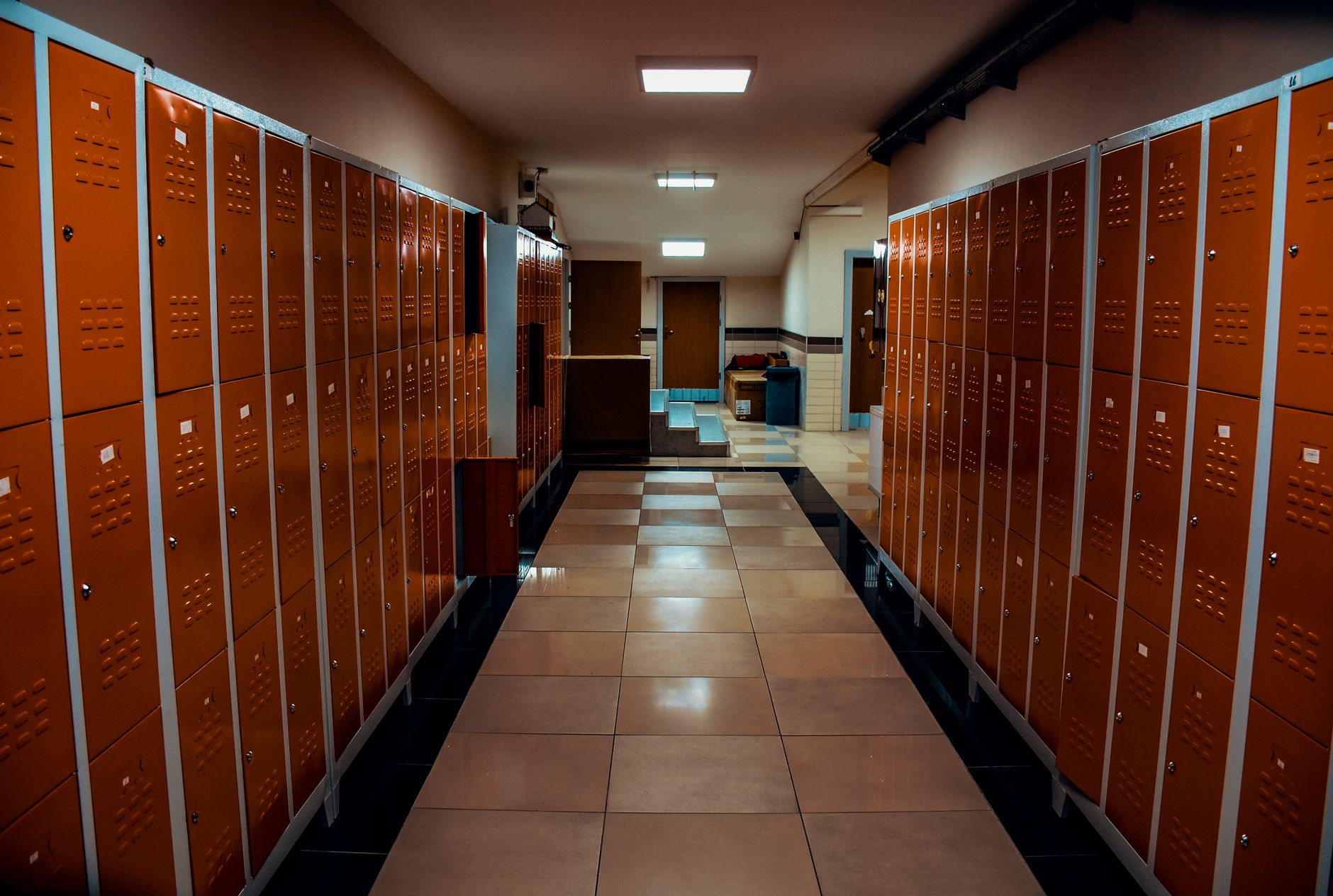
Evening custodial work at the district middle and high school sites had grown into a full position tied to repetitive floor recovery after busy lunch periods and all-day foot traffic. Leaders needed cleaner corridors and lunchrooms without adding another salary line as staffing shifted between buildings.
The secondary lunchroom in particular demanded multiple workers to reset floors on a tight turnaround. Budget talks centered on keeping service levels while finding a durable way to remove labor from the most predictable scrubbing loops.
- Evening custodial duties consumed a dedicated full-time role
- Lunchroom floor resets required three employees at peak
- Leadership wanted year-one savings without cutting visible cleanliness
One autonomous scrubber on a shared night route
The school board approved purchase of an autonomous floor scrubber for approximately $53,218, a price buildings staff described as below the roughly $65,000 they had seen for comparable units. The package included a three-year software subscription with the option to discontinue upgrades after that period.
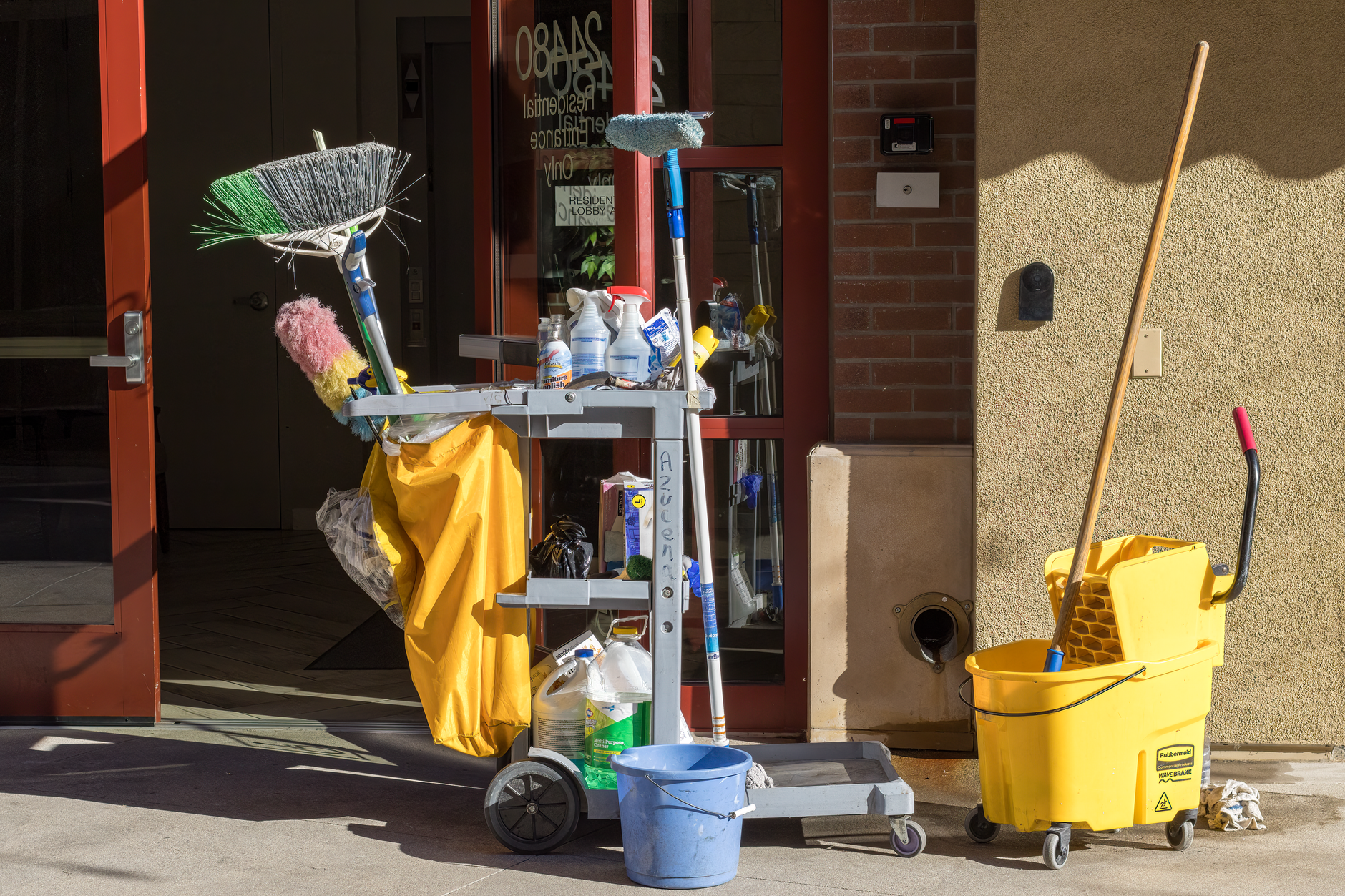
Rather than backfilling the outgoing evening custodian, the district reassigned that employee into a daytime lead custodian role and eliminated the vacant evening post. The remaining evening custodian moves the scrubber between locations at night so it handles passes that previously ate most of a full shift.
- Board approval of the scrubber and staffing realignment
- Night relocation of the unit between secondary buildings
- Daytime lead role filled by a reassigned custodian
- Software subscription planned for the first three operating years
Measured staffing and floor-care outcomes
Buildings leadership told the board the scrubber would effectively replace one full-time custodial position while keeping service levels intact. They projected net savings during the first year of operation, with continued annual savings afterward over an anticipated eight to ten year equipment life.
The most visible operational change landed in the secondary lunchroom, where floor care dropped from three employees to one for that task. Staff said the machine delivers consistent scrubbing performance, improves productivity, and frees custodians for detail work that still needs a human touch. Leaders noted they might hire part-time help later only if volume grows.

What this pattern means for district operators
This deployment is a documented public-sector example, not a Service Robot Co. customer story. It still shows how a single autonomous scrubber on a rental or purchase path can absorb predictable square footage when labor is the constraint.
Service Robot Co. helps education and commercial operators compare scrubber classes, structure monthly lease or robot-as-a-service terms, map night routes, and keep units running through a nationwide network of regional service engineers. A free site assessment is the practical first step when a lunchroom or corridor loop is eating three people but only one budget line remains.