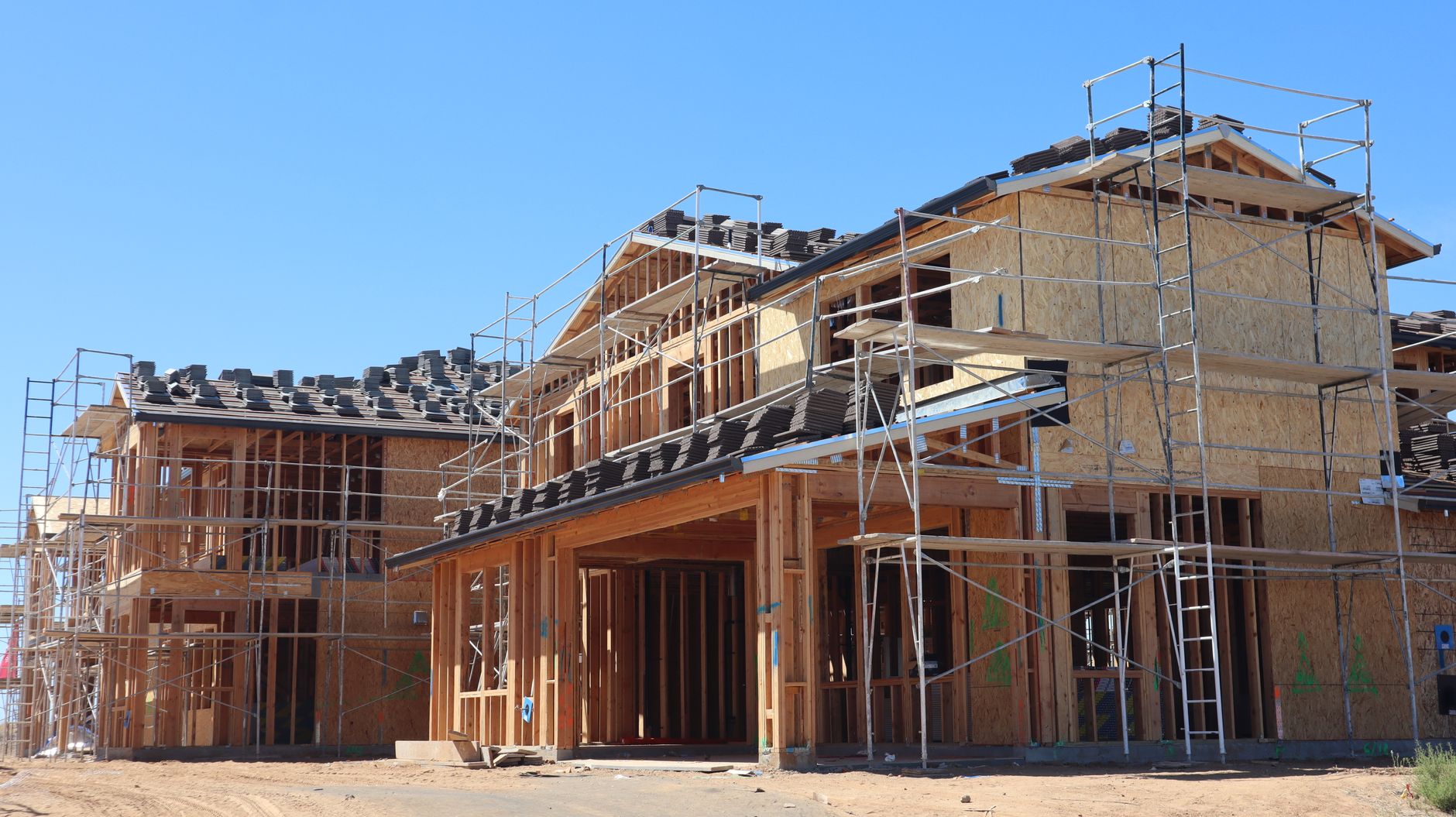
an 838,000-square-foot modular housing factory in Japan
How a Japanese Modular Housing Plant Raised Daily Output From 55 to 65 Units
An 838,000-square-foot modular housing factory added robotic handling and spot welding, lifting daily finished units from 55 to 65 while redeploying 20 operators.
- 65
- Units/day
- +10
- Daily gain
- 838K sf
- Plant size
- 20
- Roles shifted
Based on a documented real-world deployment. Figures are from public reporting; the organization is not named.
Quality under welder shortages
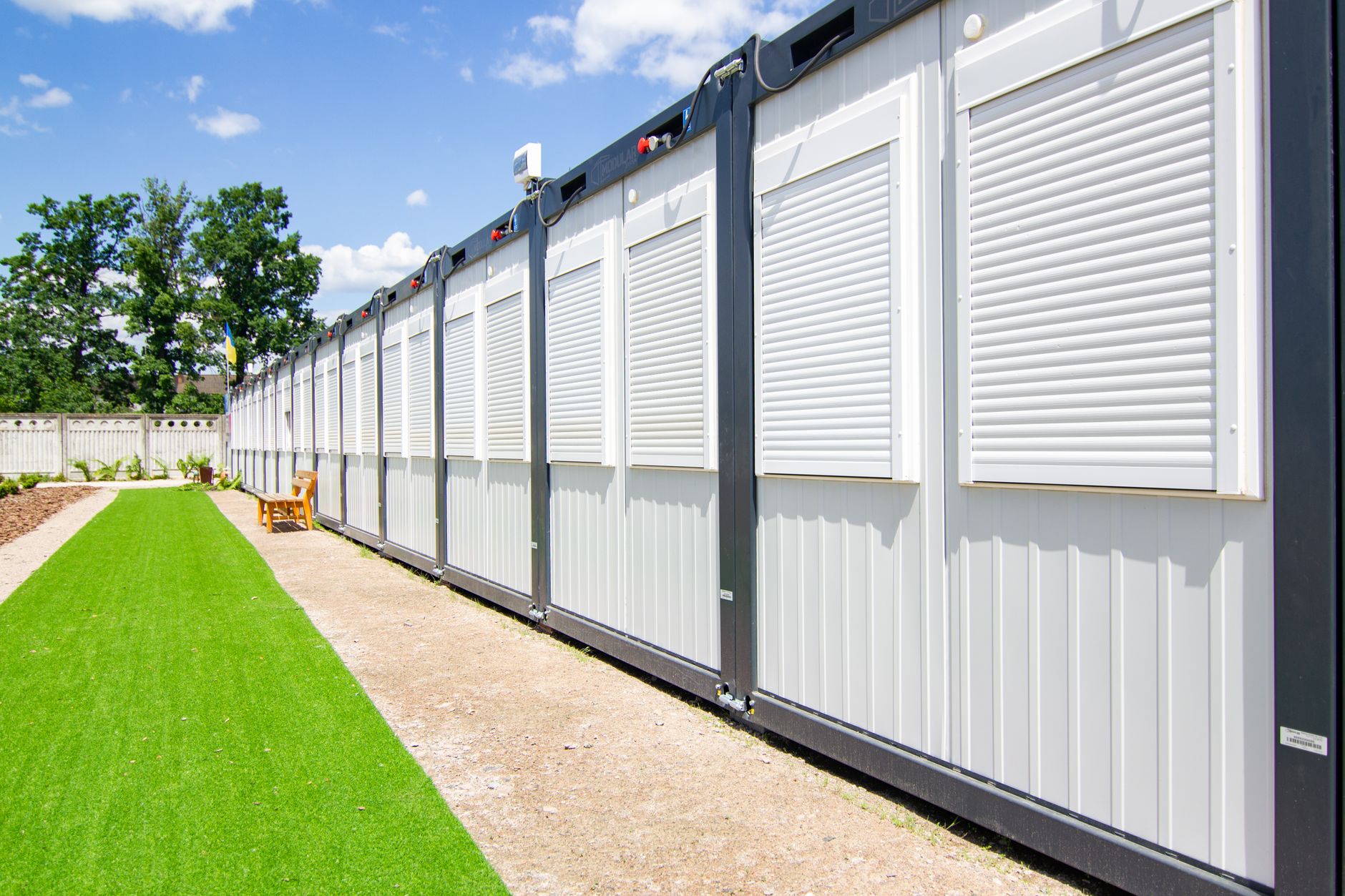
An 838,000-square-foot modular housing factory in Japan builds fully finished modules with frames, walls, floors, and windows installed before trucks leave the plant. Each unit needs different weld strengths, so first-floor modules must carry more load than upper levels.
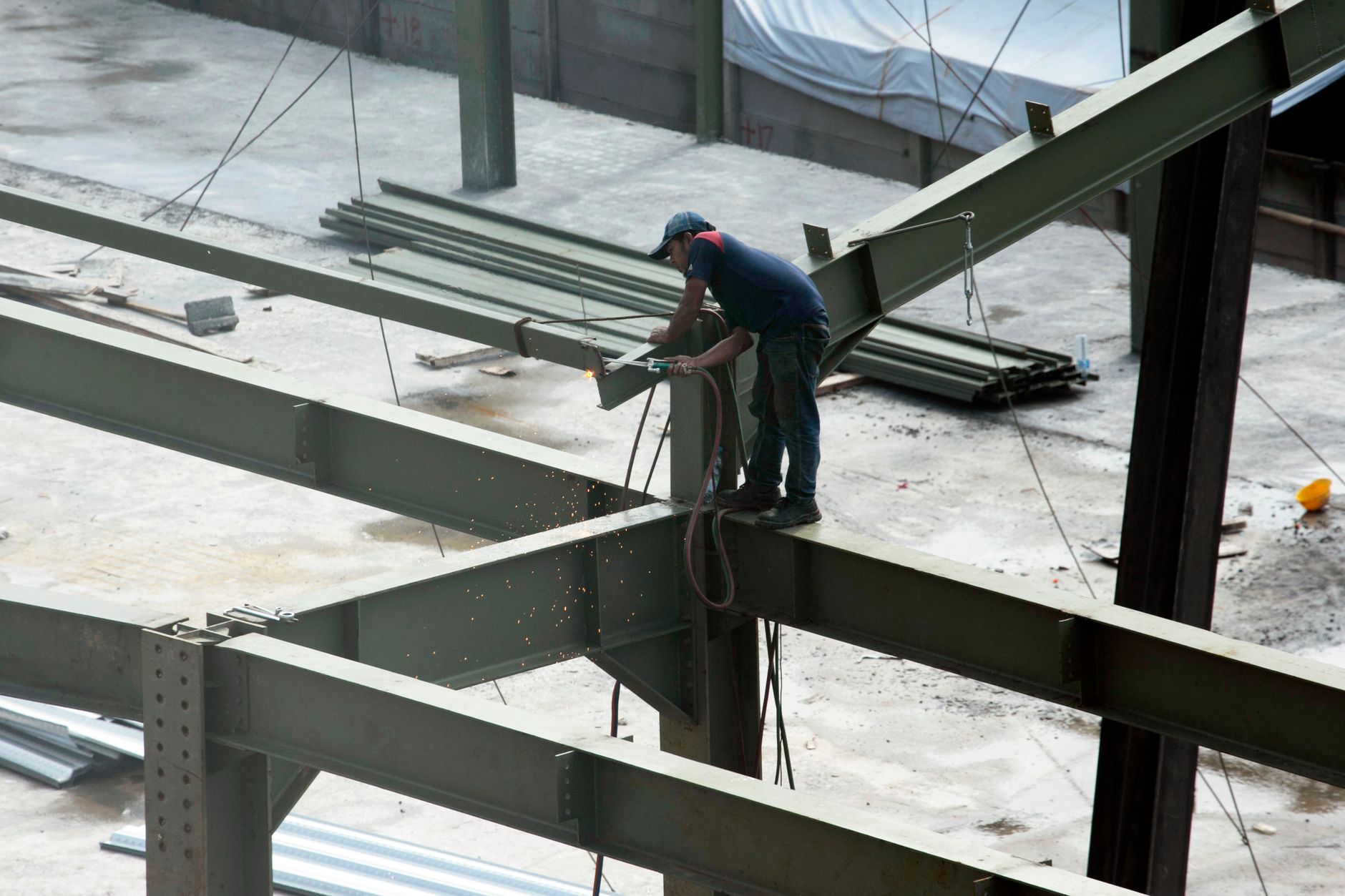
Spot welding relied on a small crew that was hard to replace as experienced welders aged. When someone missed a shift, output and quality both wobbled because manual corners could not hold automotive-style repeatability across dozens of weld recipes.
- 30+ weld programs
- Module strength tiers
- Unstable manual staffing
Automotive-style robot lines
Leadership modeled the line after automotive assembly, adding heavy-payload robots to position steel posts and beams while larger units spot-welded corners with eight to twelve points per joint. Programs switch among more than thirty weld schedules as floor level and plate thickness change.
Ceiling, floor, and gable frames each pass through dedicated robot cells that weld ten to fourteen points per corner at controlled heat. Through-arm cabling and compact footprints were chosen so maintenance stays practical in a dense modular plant.
- Frame handling robots
- Multi-program spot welding
- Simulated feasibility first
Throughput and staffing
Daily finished housing units rose from fifty-five to sixty-five after the renewal, a ten-unit per day gain on the same modular concept. Automation cut direct assembly headcount by twenty compared with the prior manual-heavy layout, and those people moved to value-adding tasks that still need human hands.
Published ROI calculations target about three years for the investment. Plant tours now show customers robots building modules, which leadership ties to stronger buyer confidence alongside tighter unit precision.
What US modular builders can mirror
Prefab plants, truss shops, and panel factories face the same weld-labor pinch as automotive did decades ago. Robotic housing assembly is less about novelty than holding takt when recipes change by floor level and SKU.
Service Robot Co. did not install this Japanese line. We are a vendor neutral integrator for US manufacturers that need cobot rental for manufacturing, palletizing robot rental, or phased deployment no shutdown programs with mapping, training, and nationwide service on one contract.