
a large urban public school district in the Mountain West with 23 robotic scrubbers in service since 2021
A Mountain West School District Schedules 23 Floor Scrubbers Across Its Campuses
How a large urban Mountain West school district schedules 23 autonomous floor scrubbers for about 35 hours a day, with lessons on staffing and cleanliness.
Deployment at a glance
- 23
- Autonomous floor scrubbers in service since 2021
- 35 hrs
- Approximate autonomous cleaning per day across the fleet
- 90 min
- Approximate scrubber run time per unit per shift
- 8,000+
- Autonomous run hours logged by the fleet to date
Based on a documented real-world deployment. Figures are from public reporting; the organization is not named.
Cleaning demand outran the crews on hand
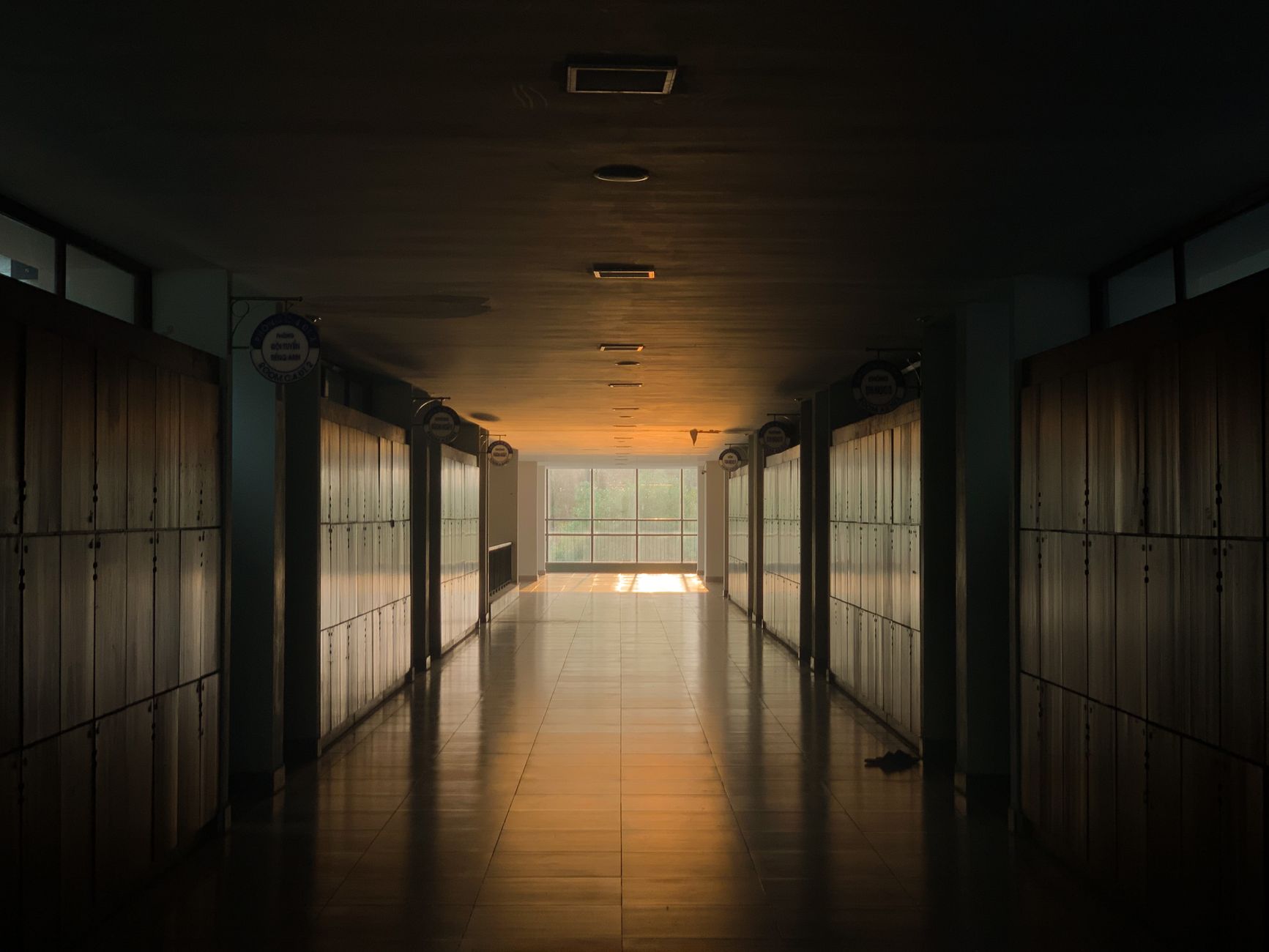
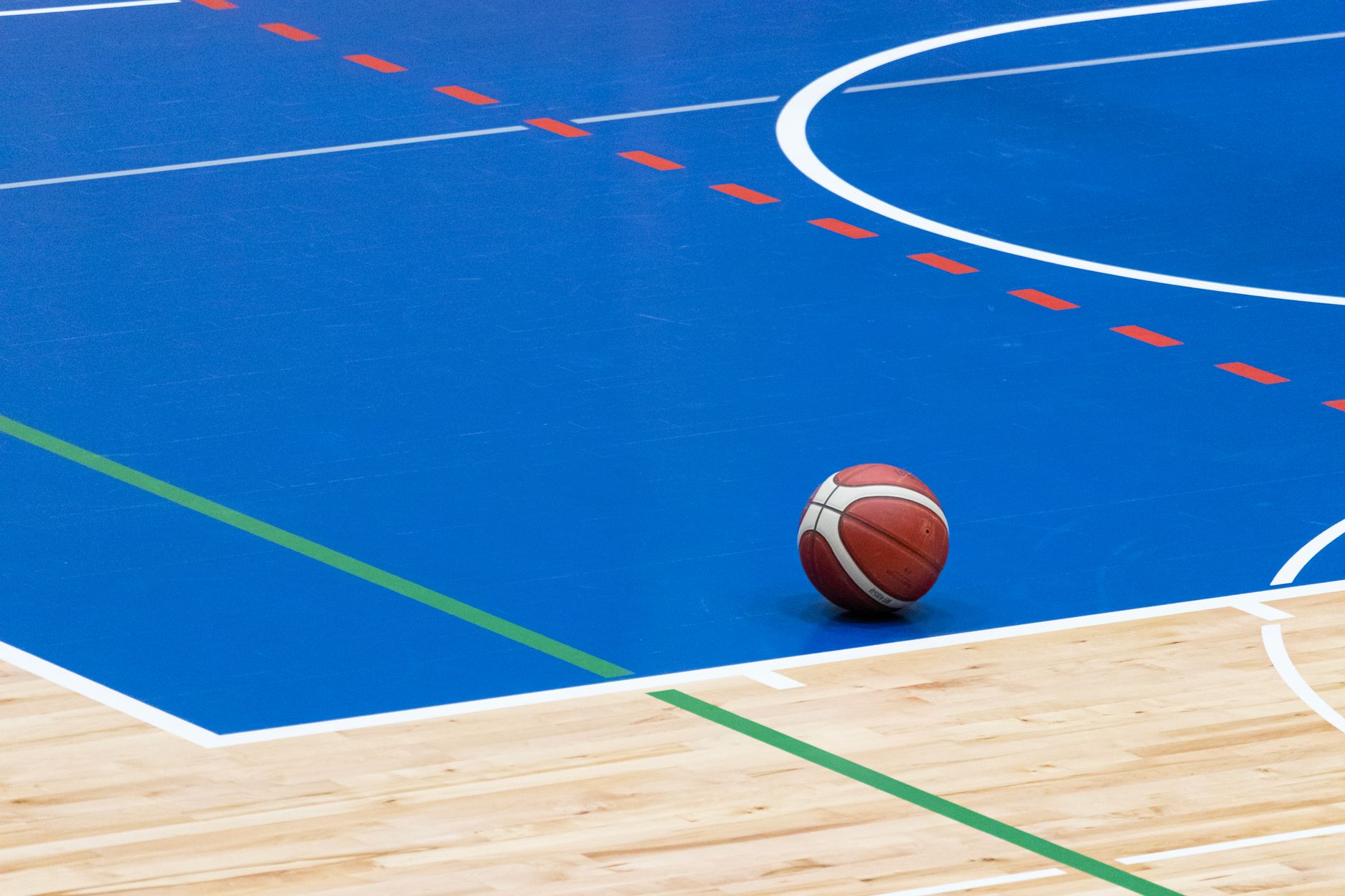
A large urban public school district carries a heavy daily load of floor care across corridors, cafeterias, gymnasiums and classrooms. Routine scrubbing is repetitive and physically hard, and it has to fit into the narrow window when a building is empty enough to work safely.
Two pressures met at once. Filling custodial shifts had become difficult, and expectations for cleanliness were rising in the same buildings. Floor care that depended on every position being filled left little margin when a shift came up short.
The district needed a way to keep floors on schedule that did not rise and fall with staffing. Robotic scrubbers became the option it chose, and the open question was how far a fleet of that kind could be stretched across a district of its size.
A phased rollout that grew with the buildings
The district began with 14 robotic floor scrubbers in late 2021. In summer 2022 it added six more of the same model, bringing that group to 20 units. In 2024 it added three units of a second model, so the fleet reached 23. All of the machines came from one robot supplier and run on a shared autonomy software platform.
Growing in stages matched coverage to the buildings. Each unit is scheduled for roughly 90 minutes per shift, and that schedule, not the headline fleet total, is what the staff plan around. A phased path like this lets a team learn its buildings before the fleet grows.
- Start with 14 scrubbers in late 2021
- Add six more of the first model in summer 2022, reaching 20
- Add three units of a second model in 2024, reaching 23
- Plan each unit around roughly 90 minutes of run time per shift
Floor hours, fleet totals and what staff noticed
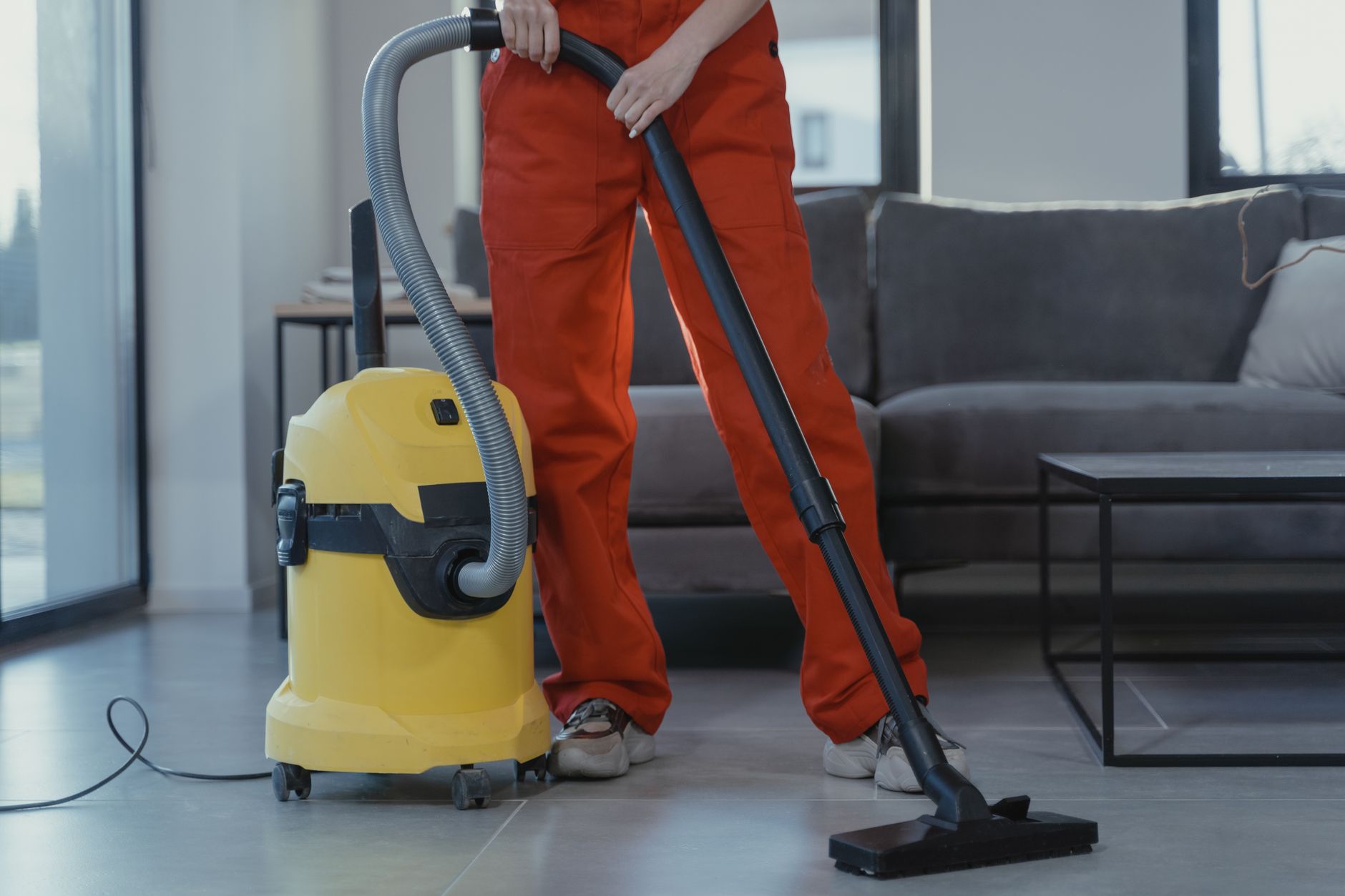
The robot supplier reports that the 23 units together run about 35 hours of autonomous cleaning per day, or roughly 90 minutes per unit per shift. The two figures agree: 23 units at about 90 minutes each comes to about 35 hours. The same material puts coverage at about 21,000 square feet per scrubber during each 90-minute run.
Across the life of the fleet, the supplier reports more than 8,000 hours of autonomous run time and more than 104 million square feet scrubbed. An earlier published figure for the first 20 units put daily operation above 30 hours, before the 2024 additions joined the fleet.
Results were not uniform. Trade press coverage of the early rollout noted that internal quality assurance scores for cleaning dipped in the largest schools where the scrubbers were deployed, even though staff reported they could cover more floor area in a day. More coverage per shift only counts when the finish holds, and the largest buildings are where that gets tested.
What this means for a floor scrubber lease
This district's fleet shows a pattern any facility team can use. The machines take the repetitive passes, while the schedule, the building layout and the quality checks decide whether coverage holds. The deployment was not ours, but the lessons carry over to any campus or commercial building weighing robot floor care.
Service Robot Co. is a full-service, OEM-neutral commercial robot integrator for US businesses. We select the right machines across manufacturers, then finance, deploy, integrate, train and service every unit through a nationwide US engineer network, so one partner handles the whole lifecycle.
Customers get our robots through a lease that runs three years, with one fixed robot lease payment quoted after a site assessment. For a school cleaning robot lease or a commercial cleaning robot leasing plan, that assessment maps the floors, sets the run windows for each shift and marks the rooms where quality checks belong from day one.
Many teams start with one leased unit before widening into a floor scrubber lease, which mirrors the measured path this district followed. Our lease financing programs are built around that kind of staged growth.
Frequently asked questions
Want a robot working for you?
Tell us the job and the site. We will recommend the robot, quote the lease, and keep it serviced.