a southern U.S. distribution center receiving inbound international freight and shipping pet food to retail accounts across multiple states
How a Multi-Client Pet-Food DC Cut Overtime 75% With Cart-Towing AMRs
Documented 3PL case: heavy pet-food cartons gave way to twelve cart AMRs, 75% less overtime, 50% higher productivity, and pick audits down to about 10% of units.
- 75%
- Less overtime
- 50%
- Productivity
- 98 UPH
- Pick rate
- 12
- Cart AMRs
Based on a documented real-world deployment. Figures are from public reporting; the organization is not named.
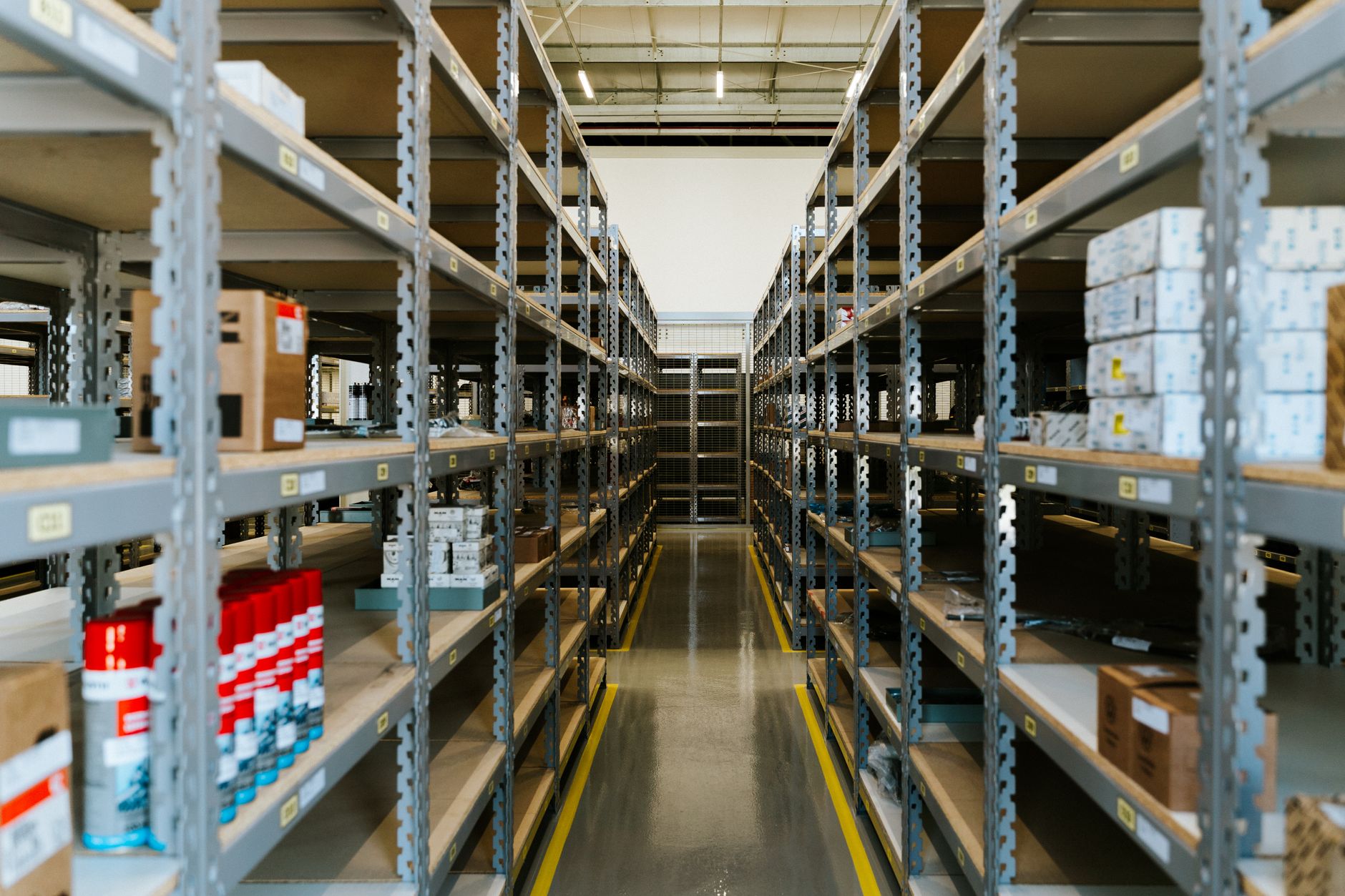
Heavy carts and a tight pick window
A southern U.S. distribution center receives inbound international freight and ships pet food to retail accounts across several states. Pickers built carts of cases that could weigh up to about 200 pounds, then pushed them through a 40,000-square-foot pick zone while meeting retail KPIs.
Electric pallet jacks crowded aisles and carried maintenance costs. Supervisors audited every pick for accuracy because a wrong SKU on a heavy carton was expensive to unwind. Overtime climbed when volume spiked.
- Manual cart builds on every wave
- 200-pound case carts on the floor
- Full pick audits slowing throughput
- Overtime when retail deadlines stacked
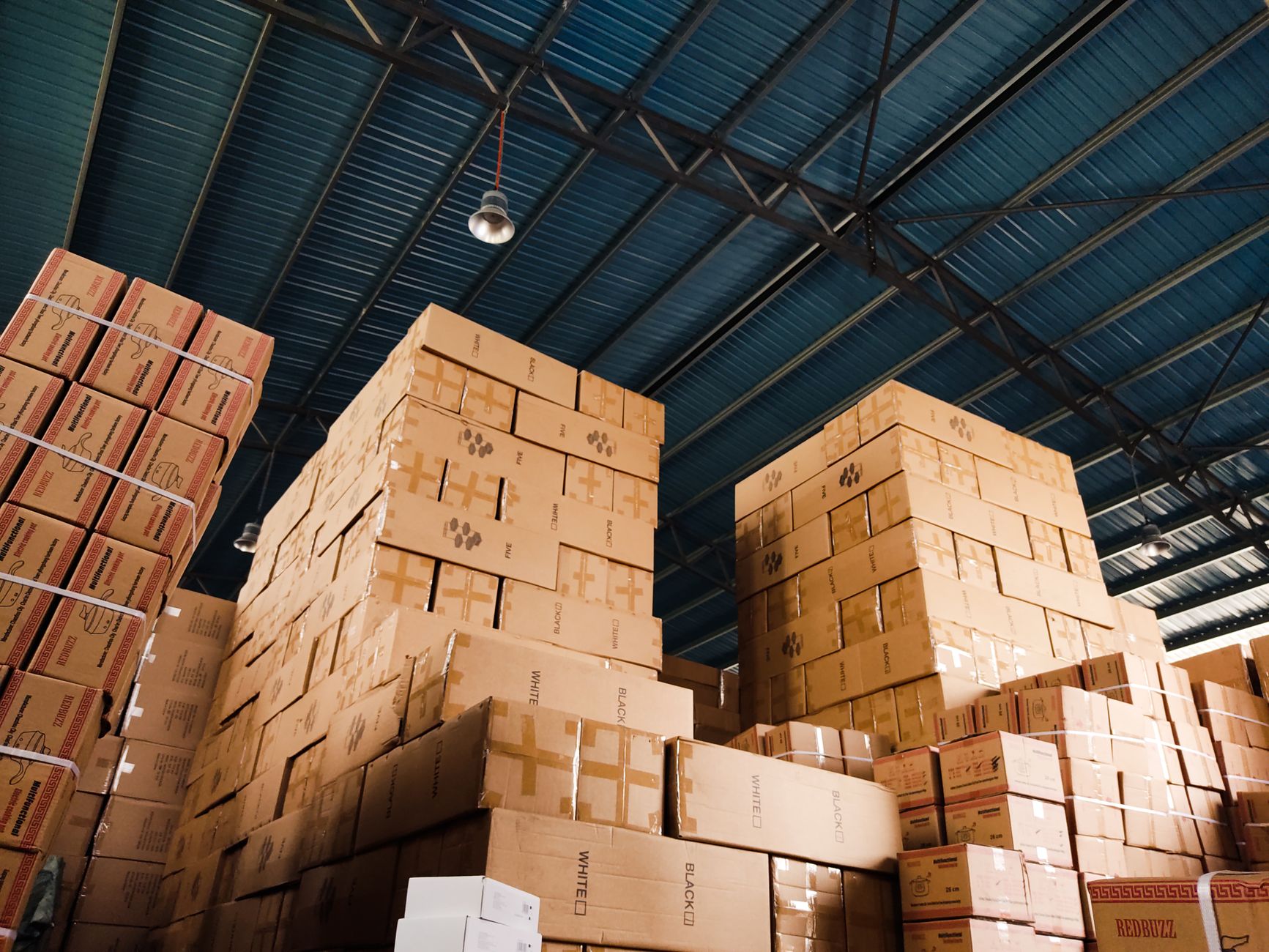
Twelve cart-towing AMRs on the pick floor

Operations leaders chose autonomous mobile robots that attach to carts and move weight between pick faces and pack stations. Twelve units covered the pick area so associates stayed at the pick face instead of walking loaded carts.
Training stayed short because robots handled travel while people focused on scan accuracy. Supervisors used live dashboards to watch throughput and adjust labor against order volume.
- Map pick paths across the 40,000-square-foot zone
- Deploy twelve cart-towing AMRs
- Shift pickers from cart pushing to scan-and-place work
- Use fleet metrics for labor planning
Throughput up, overtime down
Published results report productivity up about 50%, with units per hour rising from about 65 to 98. Overtime fell about 75% while pick accuracy checks dropped to auditing roughly 10% of picks because the system verifies scans multiple times per pick.
Associates reported less aisle congestion after cart travel moved to robots. Ergonomics improved because people stopped wrestling heavy carts through the building. Floor leaders described friendly competition on dashboard stats that helped retention during busy weeks.
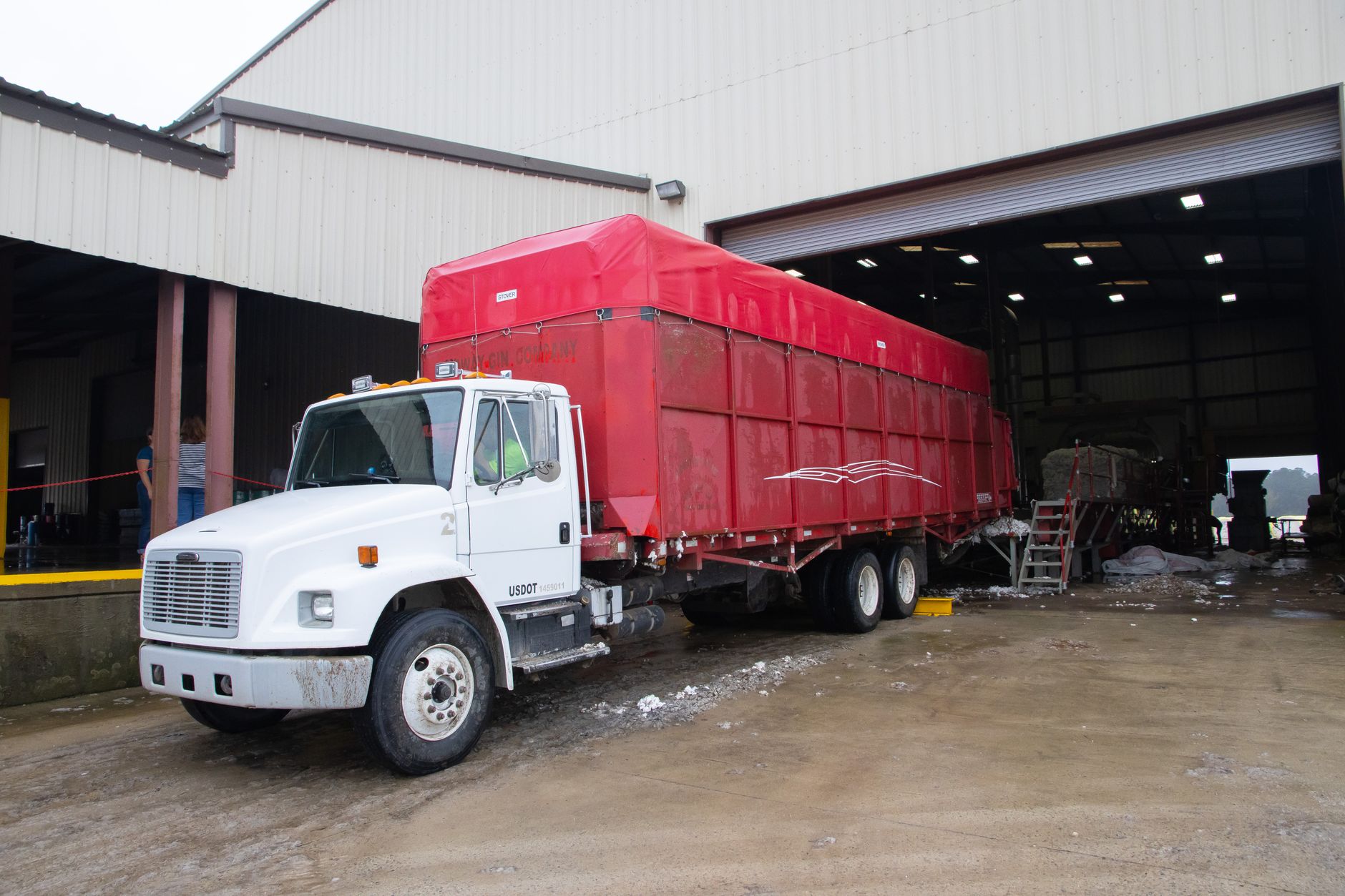
What this means for your 3PL floor
Pet food and other dense case picks punish manual cart programs. Service Robot Co. helps U.S. operators pilot cart-towing AMRs with a vendor-neutral shortlist, map real pick paths, and align WMS scans before units arrive. Warehouse robot rental and month to month AMR fleet deployment let you scale for retail peaks without buying a fleet sized for the worst week.
One partner covers finance, deployment, integration, training, and nationwide service engineers. That matters when you must hit go live support during a live retail calendar and keep a backup robot program if a unit needs triage.