a multi-division manufacturing plant in India with warehouse, production, and testing areas
How a Multi-Station Factory Saved 1.4 Labor Hours per Shift With AMRs
A documented factory AMR rollout saved about 1.4 labor hours per shift across 15 stations. See time-study results US plants can benchmark.
- 1.4 hr
- Per shift
- 15
- Stations
- 353s
- Avg saved
- 4 zones
- Material flow
Based on a documented real-world deployment. Figures are from public reporting; the organization is not named.
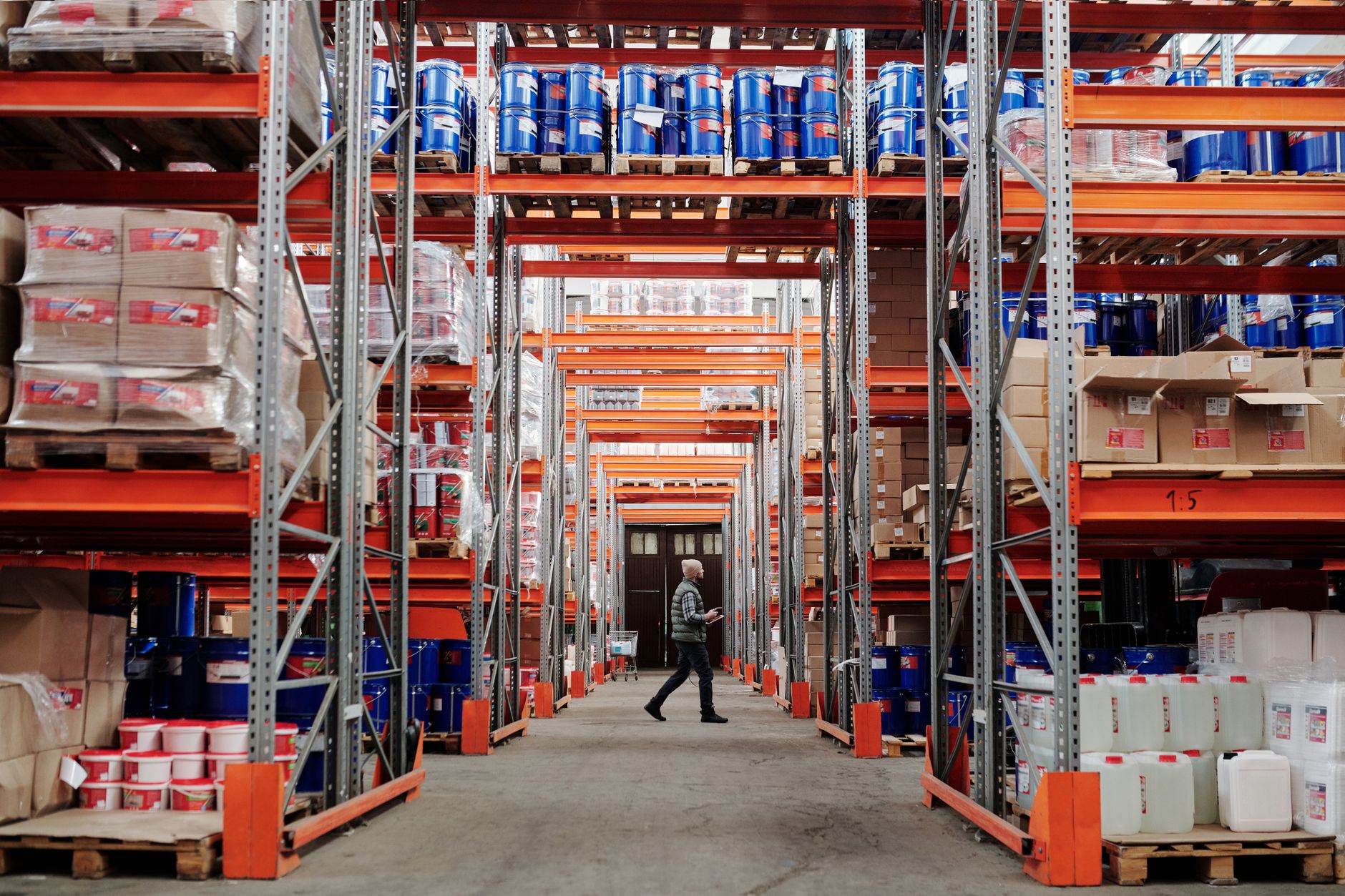
Material moves that ate the shift
A multi-division manufacturing plant in India moved parts among a warehouse, trolley area, production floor, and testing zone. Forklifts and manual carts carried loads, but drivers still lost time locating parts and navigating congested paths.
Leadership wanted Industry 4.0 automation without shutting down lines. Internal transport had to get more predictable before they could justify capital on the factory floor.
- Four linked divisions with constant part movement
- Human drivers searching for parts and routes
- Need for measured time savings before scaling AMRs
Time studies, then AMR routes
Researchers ran time studies at fifteen workstations, comparing manual moves to autonomous mobile robot deliveries along mapped paths. Robots navigated directly to preset stops instead of ad hoc searching.
Trials focused on warehouse legs first because that is where the study recorded the largest gains. Capex and opex models over five years helped leadership compare funding paths before wider rollout.
- Baseline manual moves at each workstation
- Map AMR stops across warehouse to line feeds
- Run paired trials on the same routes
- Review five-year cost models before scaling
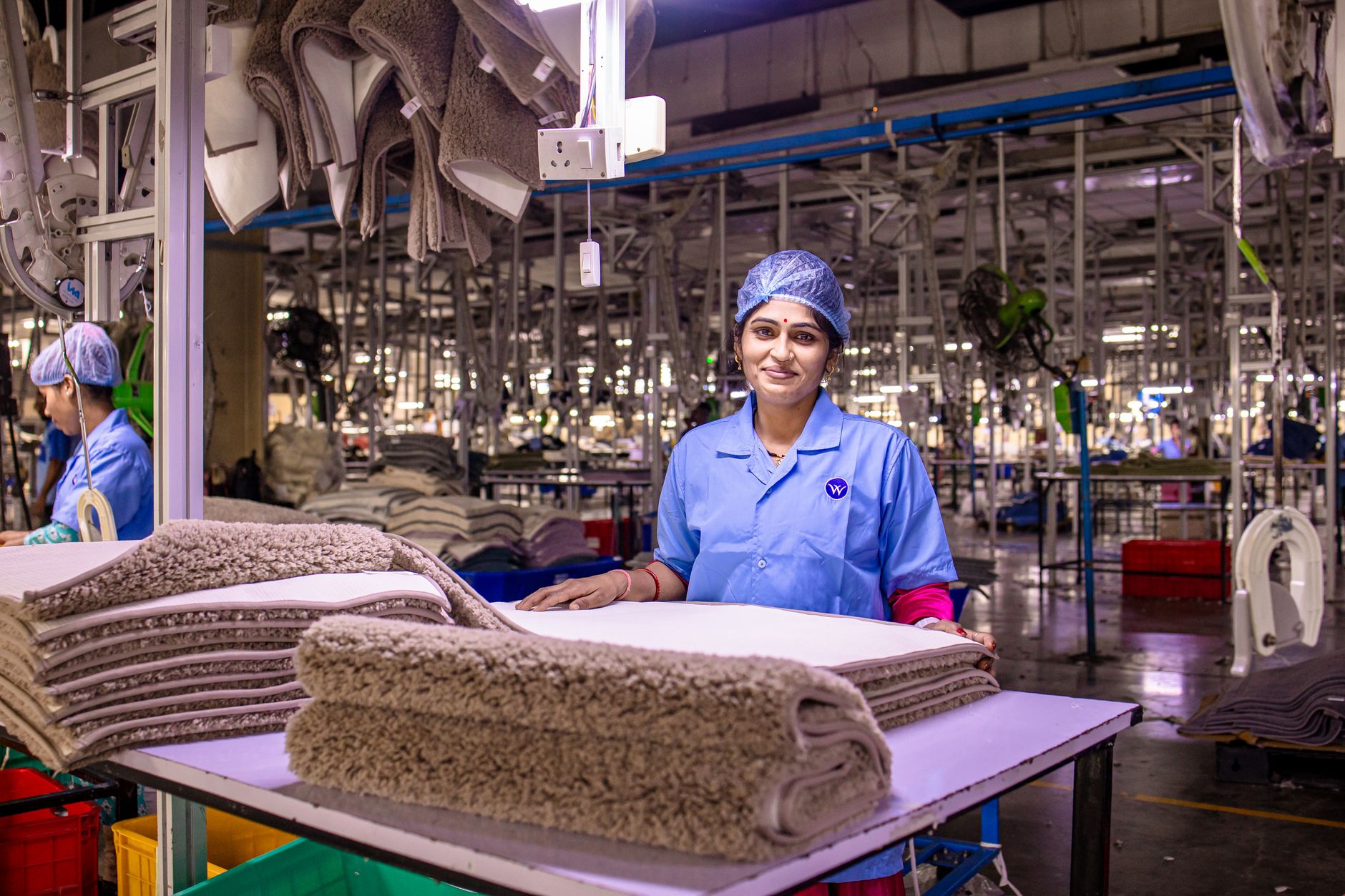
Measured seconds back at every station
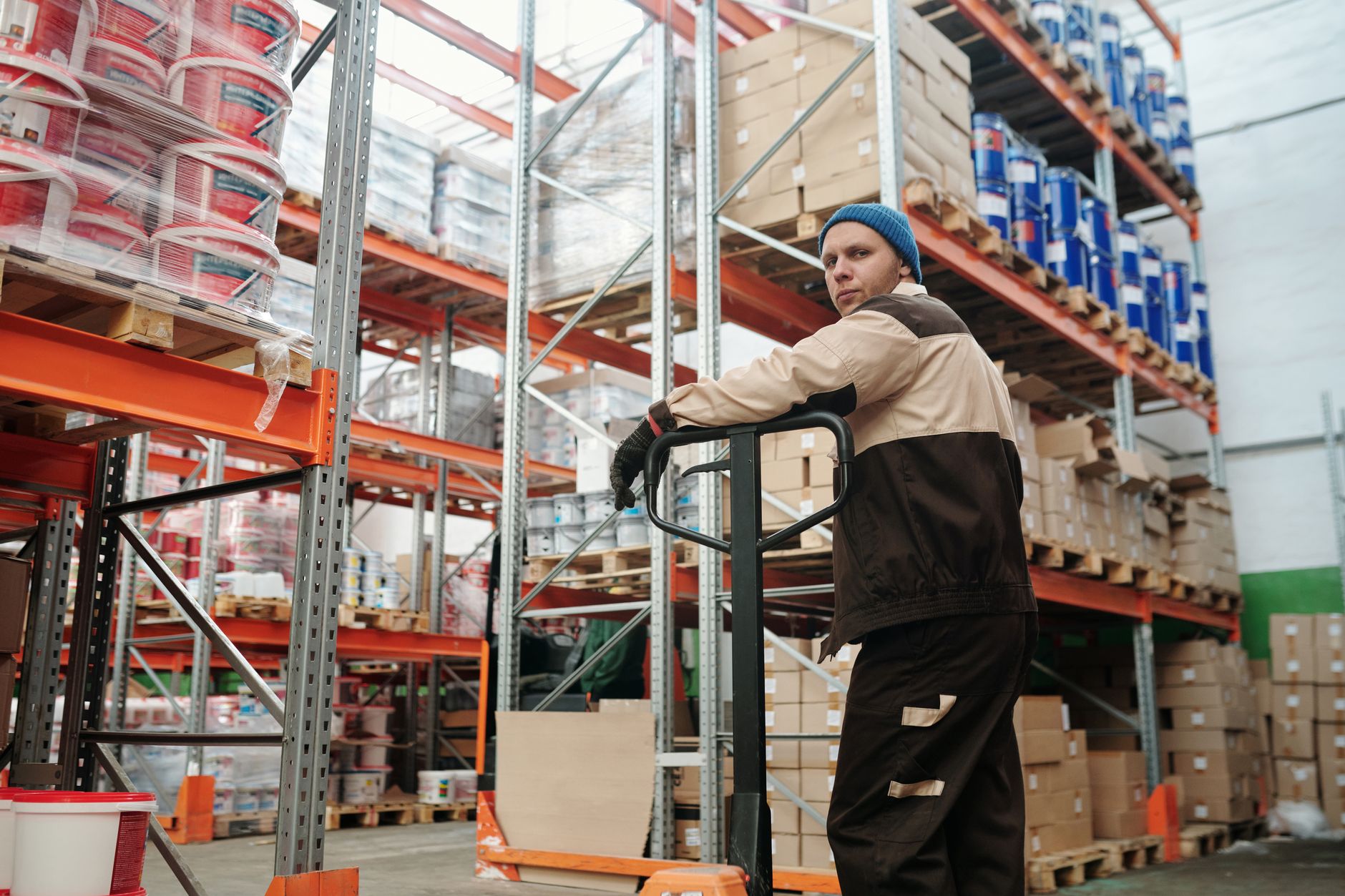
The published study reports per-station savings between about 343 and 358 seconds, with an average near 353 seconds. Combined across fifteen stations, that equals roughly 1.4 labor hours saved per shift on material movement.
Authors attributed most of the gain to faster navigation and part location versus human drivers. Warehouse segments showed the strongest improvement in their breakdown.
What US factories can benchmark
This analysis uses a documented overseas deployment. Service Robot Co. did not run this plant, yet US manufacturers face the same tug-of-war between forklift traffic and walking time on repetitive routes.
A vendor-neutral integrator can pilot one AMR lane from warehouse to a production cell, measure hours returned, and structure rental or lease paths with nationwide service. Start with time study discipline so savings are provable before you add fleet size.