
a multistory conveyor-equipment manufacturing facility
Conveyor-Top AMR Averages 22.3 Operating Hours Daily
See how a conveyor-top AMR linked production floors through elevators, averaged 22.3 operating hours daily, and improved mission flow with analytics.
- 22.3 hrs/day
- Average operating time
- 106 km
- Distance logged with analytics
- 1 AMR
- Mobile unit deployed
- 0 rails
- Fixed guidance installed
Based on a documented real-world deployment. Figures are from public reporting; the organization is not named.
Material Flow Had to Cross Floors
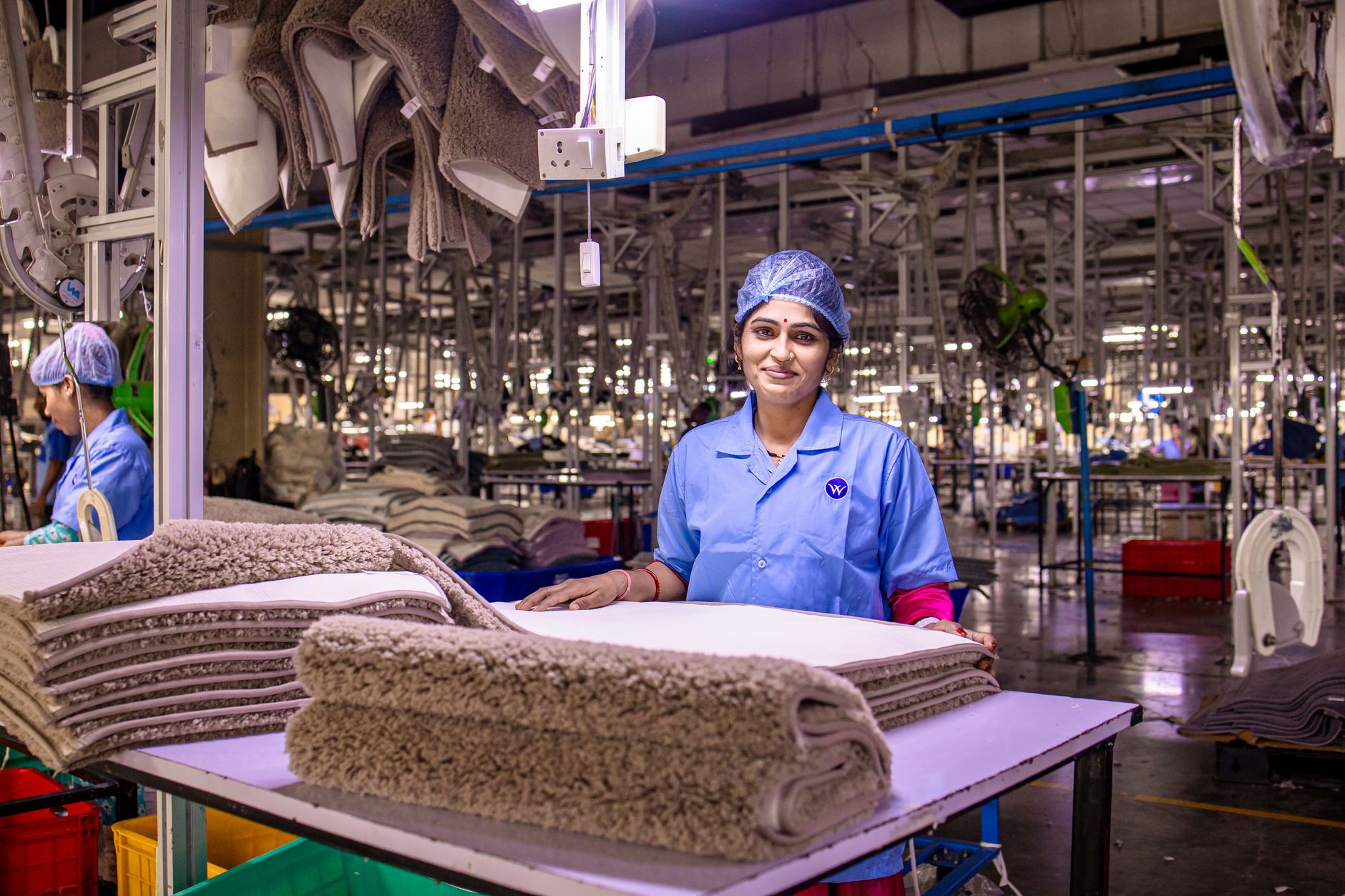
A multistory conveyor-equipment manufacturing facility needed to move materials between production and logistics areas on different floors. Manual handling filled the gaps, but conventional fixed transport lacked the flexibility required in a busy plant shared by people and equipment.
The assignment extended beyond point-to-point travel. The mobile platform had to negotiate changing traffic, use elevators, align with production lines, and exchange loads without constant operator attention.
The operational aim was unattended repetitive transport automation that could support near-continuous production while reducing manual transfers. Safety and productivity mattered, but neither could come at the expense of floor-level adaptability.
- Connect production and logistics areas across multiple floors
- Navigate safely through dynamic, shared plant traffic
- Interface with elevators, conveyors, and line controls
- Reduce manual handling without installing fixed guidance
A Mobile Conveyor Became the Missing Link
The facility paired an autonomous mobile robot with a conveyor-top module. That configuration let the AMR receive and discharge material at fixed conveyor stations while remaining free to travel between production areas.
Elevator access and production-line integration extended the route vertically. Because the AMR navigated without rails, deployment required no rail installation or other modification to the existing workshop environment.
Cloud-based analytics then exposed performance indicators and patterns in robot behavior. The facility used that evidence to refine mission flow, examine busy areas, improve throughput, and reduce avoidable inefficiency.
The published record does not describe a phased rollout, operator-training program, or service arrangement. Those details are therefore not attributed to this deployment.
- Fit the AMR with a conveyor-top transfer module
- Connect missions to elevators and production-line handoffs
- Map safe travel through changing plant traffic
- Use operating analytics to improve mission sequencing
Long Daily Utilization, Measured on the Floor
The headline result was sustained utilization. The conveyor-top AMR averaged 22.3 operating hours per day, showing that the mobile transfer layer could remain active through most of the production cycle.
Since analytics were introduced, the AMR logged 106 km inside the facility. The software helped the operation identify behavioral patterns and refine mission flows rather than treating the initial route design as permanent.
The deployment also reduced the need for manual handling and shortened transportation work, allowing skilled employees to concentrate on tasks requiring human judgment. The source reports improved workplace safety and anticipated cost savings, but it does not publish a quantified safety change, payback period, or realized return.
What This Pattern Means for US Manufacturers
This case shows why material-handling automation is an integration problem as much as a robot-selection problem. A delivery robot for elevators must communicate with building controls, meet conveyors accurately, navigate mixed traffic, and generate usable robot fleet management data after go-live.
Service Robot Co. is a full-service, OEM-neutral commercial robot integrator for US businesses. We select the robot that fits your floor across manufacturers, then handle financing, robot deployment and integration, training, and ongoing service through a nationwide engineer network, giving the customer a single accountable vendor across the lifecycle.
For an autonomous mobile robot lease, AMR leasing, or material handling robot leasing, that lifecycle may include site assessment mapping, a commercial robot demo, a robot pilot program, go-live support, remote triage, on-site dispatch, and a robot maintenance service plan. The objective is practical: make a manufacturing plant robot lease perform as part of the plant, not as an isolated machine.