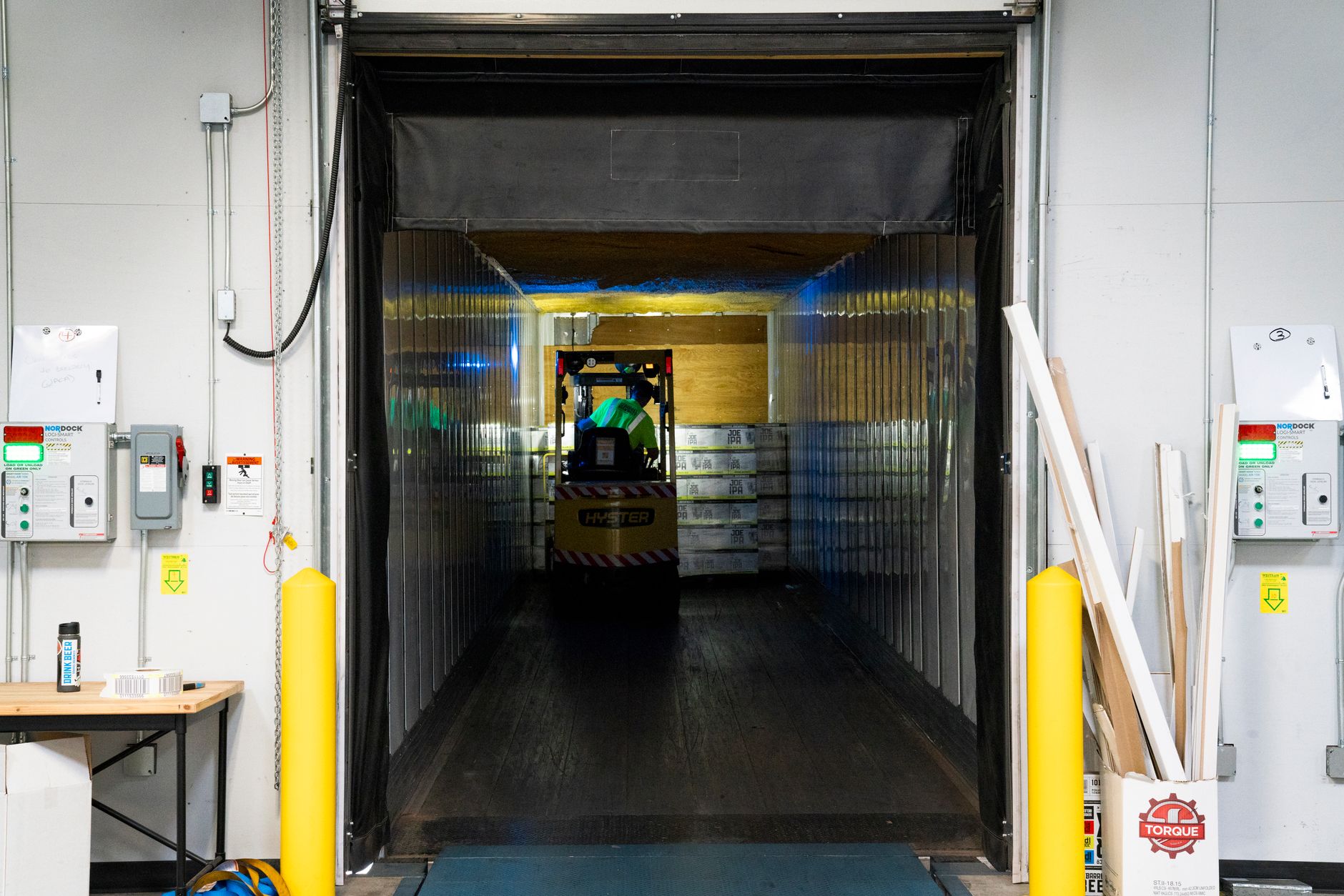
a multistory replacement-parts warehouse with an attached call center
Warehouse Courier AMR Case Study: 69 Daily Minutes Reclaimed
A multistory replacement-parts warehouse with an attached call center automated 69 daily minutes of transport work and strengthened list checking.
- 69 min/day
- Transport work automated
- 6 months
- Approximate error-free run
- 4 floors
- Vertical handoff route
- 1 unit
- Pilot started small
Based on a documented real-world deployment. Figures are from public reporting; the organization is not named.
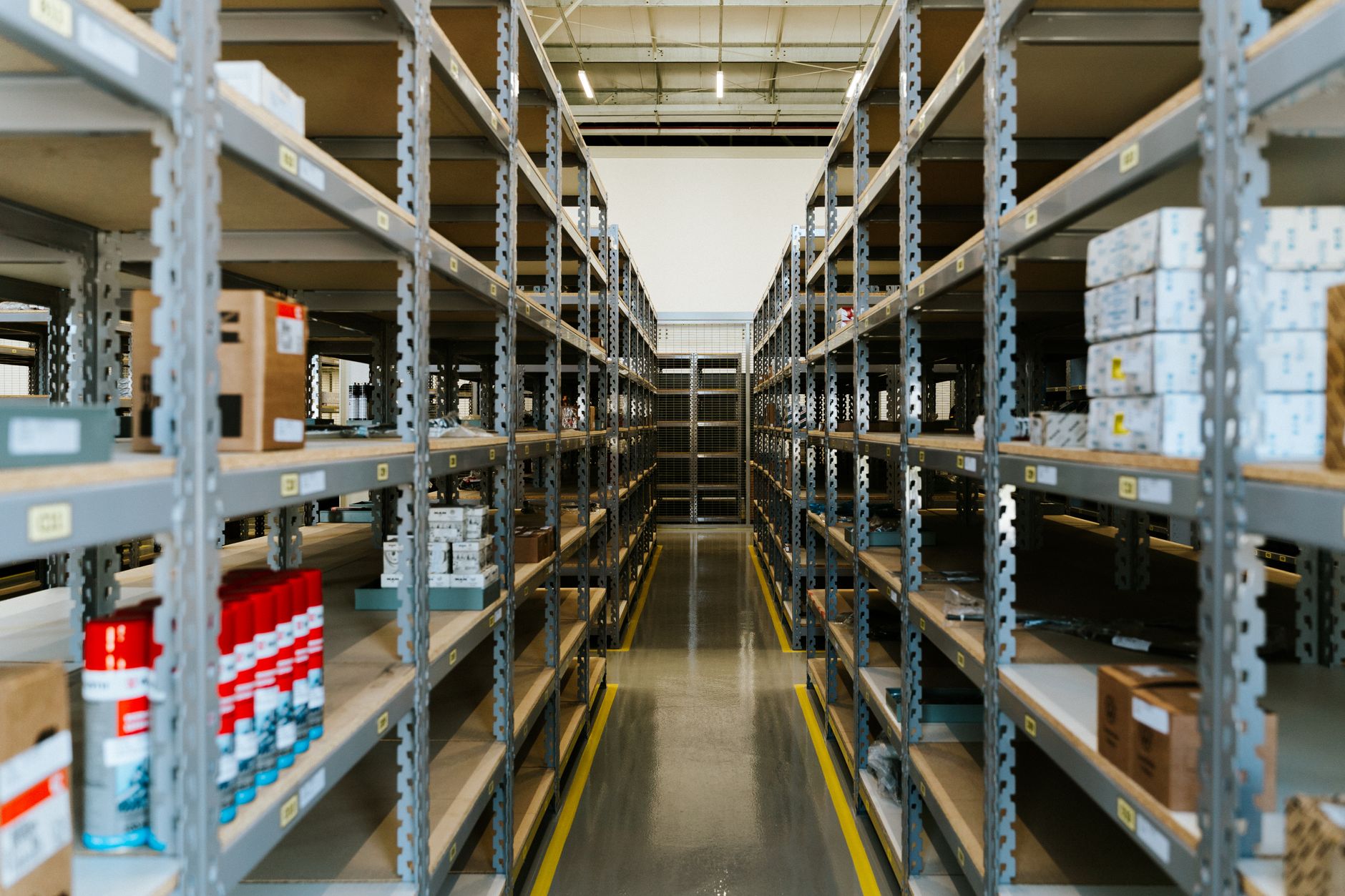
Where Tiny Handoffs Became a Daily Drag
This operation was not fighting one dramatic choke point. It was losing time through constant short handoffs between a four-floor replacement-parts warehouse, its attached call center, and the freight elevator that linked them.
Those trips looked minor on paper, but they pulled call-center staff off the phones and warehouse staff into hurried document runs. Management also wanted repetitive transport automation without major reconstruction or an all-at-once warehouse overhaul.
- Frequent movement between the call center, warehouse floors, and the freight elevator
- Phone coverage dipped when call-center staff had to carry files
- Leadership wanted a low-friction pilot instead of a major facility rebuild
A Small Pilot, Not a Building Rebuild

The site started with a one-unit trial focused on the route that kept interrupting both teams. The courier AMR carried picking lists and other handoff items from the call center into the warehouse flow, while staff kept a simple human handoff at the elevator.
That choice fit the building instead of forcing the building to fit the robot. The pilot stayed close to the existing rhythm, proved that the equipment was easy to operate, and let frontline staff get comfortable before the workflow moved into regular use.
- Start with a one-unit trial on the highest-friction internal route
- Fit the robot to the existing elevator handoff instead of changing the facility
- Keep operation simple enough for frontline staff to use daily
- Move from trial to regular use after the route proved dependable
Measured Relief From a Narrow Route
The published result is precise. The robot replaced about 69 minutes of transport work per day. The source is equally clear that these were scattered micro-movements, not a clean block of labor that could simply be reassigned wholesale.
Even so, the site reported less overtime pressure, more days ending on schedule, and more next-day work handled in advance. The frantic running inside the warehouse also eased, which improved day-to-day safety.
Just as important, call-center staff no longer had to step away to move files, so phone coverage improved. The source also reports about six months of no errors after staff had more breathing room to keep visually checking picking lists.
Why This Pattern Matters in U.S. Logistics
For logistics leaders evaluating warehouse robot leasing, autonomous mobile robot leasing, or AMR leasing options, this is the useful lesson. The first win may not be a fleet project. It may be the small internal trip that interrupts two departments at once and quietly stretches the day.
This is also the logic behind phased deployment no shutdown. Start where the friction is, fit the robot to the floor you already have, and expand only after the crew trusts the workflow.
Service Robot Co. is a full-service, OEM-neutral commercial robot integrator for U.S. businesses. It selects the right robot across manufacturers, then handles robot deployment and integration, financing, training, and lifecycle service through a nationwide U.S. engineer network. For teams comparing purchase or lease, or a warehouse robot lease with RoboCare™ service, that kind of accountability matters.