a southwestern Ontario municipality and community soccer club maintaining five pitches at a regional park
How a Municipal Soccer Complex Saved 250 Seasonal Hours With a Robotic Mower
A parks team and soccer club piloted a GPS-guided electric turf mower on five pitches, saving about 250 seasonal staff hours and improving cut frequency.
- 250 hrs
- Seasonal labor
- 5 pitches
- Soccer fields
- 3x/wk
- Target cut freq
- 2 people
- Labor equivalent
Based on a documented real-world deployment. Figures are from public reporting; the organization is not named.

Keeping five soccer pitches match-ready on a thin crew
A southwestern Ontario municipality and its community soccer club share a regional park with two full-size pitches and three smaller fields. Crews had been mowing about twice a week with fuel-powered equipment while trying to keep lines, safety, and play quality acceptable for a busy football calendar.
Leaders wanted more consistent grass height without adding seasonal headcount. They also needed to free staff for line trimming, pruning, and other tasks that suffer when riding mowers tie up the same people for hours.
- Twice-weekly cuts struggled to match the quality a three-day minimum schedule would deliver
- Gas-powered mowing tied up staff who could otherwise finish detail work
- Rising operating costs on fuel made the status quo harder to defend
A shared pilot on autonomous turf cutting
After reviewing regional options, the municipality bought a GPS-guided electric turf mower and split the purchase with the soccer club. The partners ran a month-long trial at the park, scheduling the machine through a mobile app much like a residential robot vacuum.
Supervision stayed light. Staff set cut windows and let the mower run while they moved to other grounds work. The unit was sized to cover the multi-pitch layout without a dedicated operator riding behind it all day.
- Month-long field trial with club and parks staff observing daily performance
- App-based scheduling for autonomous cuts across full-size and small pitches
- Shared funding model between municipal taxpayers and the community club
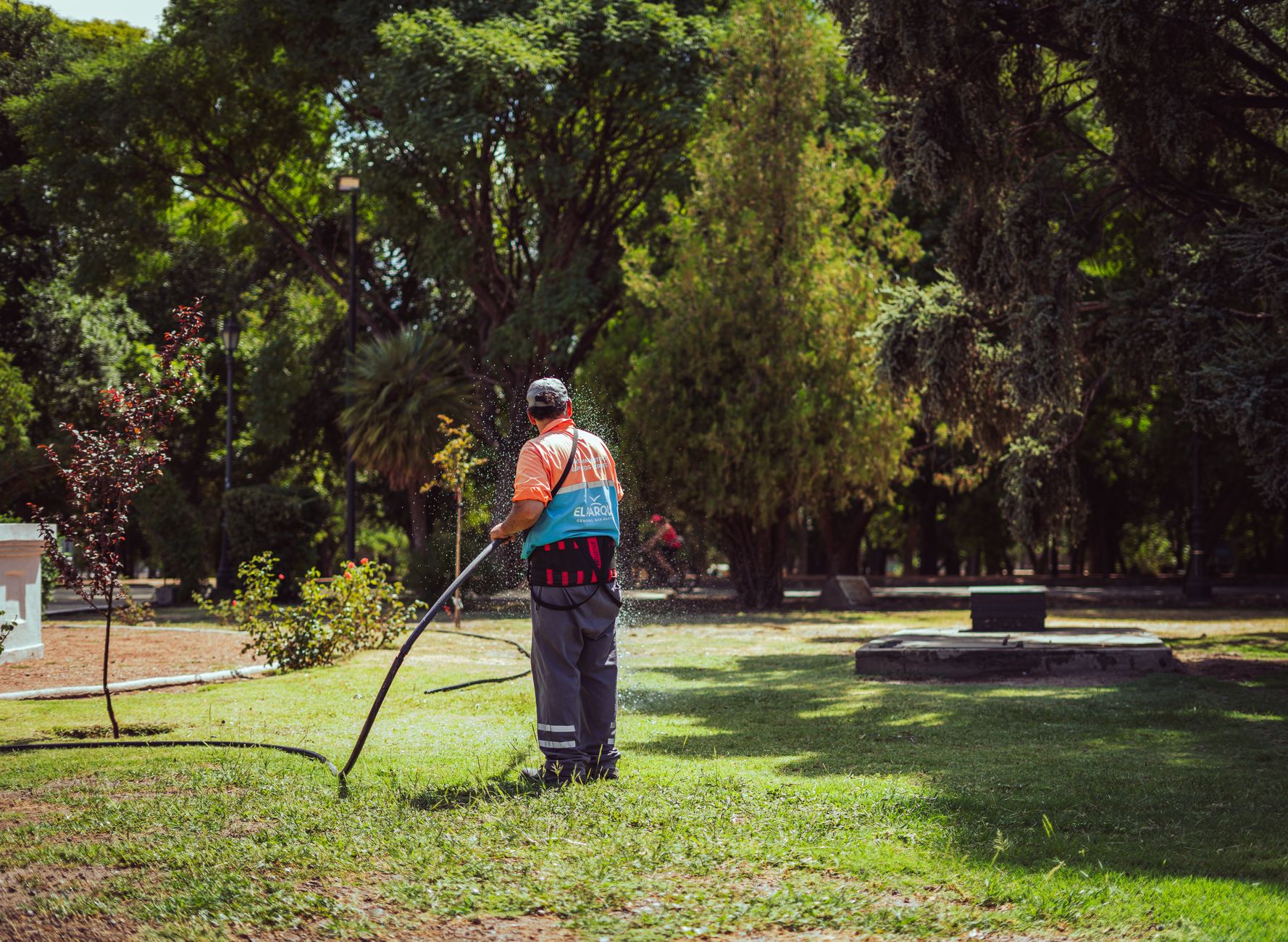
Measured seasonal time and fuel gains
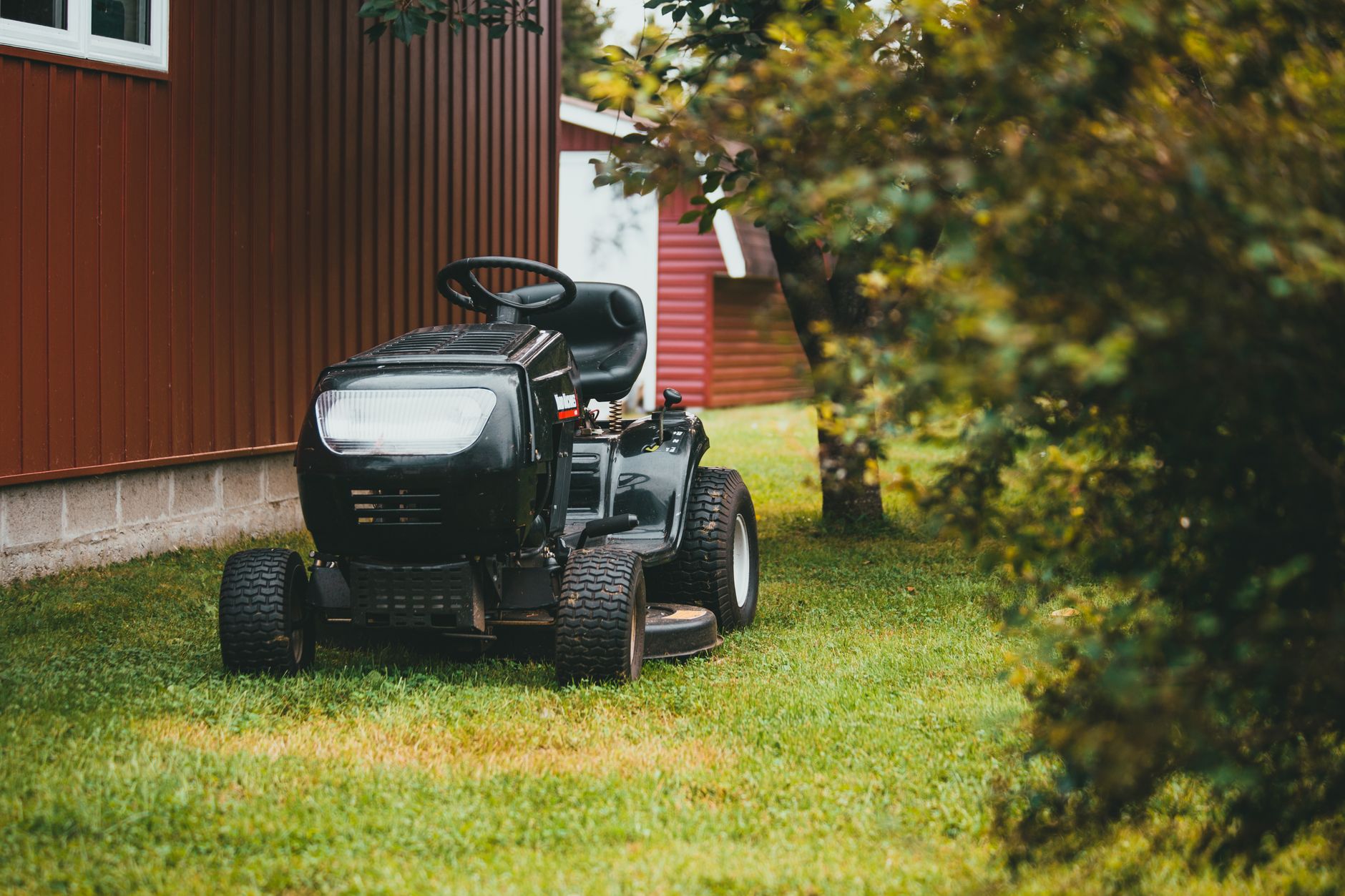
Municipal staff estimated the autonomous mower would save about 250 hours of work per season, roughly the output of two people if they had to match the same cut frequency manually. Leaders said reaching that service level with traditional mowing would require cutting at least three days a week instead of two.
The electric unit also reduced fuel spend compared with gas machines. Staff assessed about $9,000 in annual fuel savings alongside better field conditions, safer footing, and stronger play quality reported by the club. No positions were eliminated; hours shifted to trimming, pruning, and other park maintenance.
What this means for US parks and sports venues
Outdoor turf automation is still rare in many US park districts, yet the pattern matches what facility directors see indoors with autonomous floor care. A vendor-neutral integrator can size an autonomous turf or scrubbing platform to your acreage, set monthly robot rental or lease terms without a long term contract, and keep mapping, training, and repairs on one nationwide service plan.
Service Robot Co. is not claiming this Canadian pilot as its own deployment. The lesson for US operators is practical: phased robot pilot programs, a free site assessment, and maintenance included contracts let you prove seasonal hour savings before you expand across additional fields, campuses, or warehouses.