
a major provincial museum in central China
Museum Guide Robot Raises Information Recall From 42% to 73%
See how a context-aware museum guide robot raised information recall from 42% to 73%, reduced interruptions, and sustained visitor engagement.
- 42% to 73%
- information recall
- 68%
- fewer inappropriate interruptions
- 57%
- fewer early terminations
- 5.7 min
- average context-aware engagement
Based on a documented real-world deployment. Figures are from public reporting; the organization is not named.
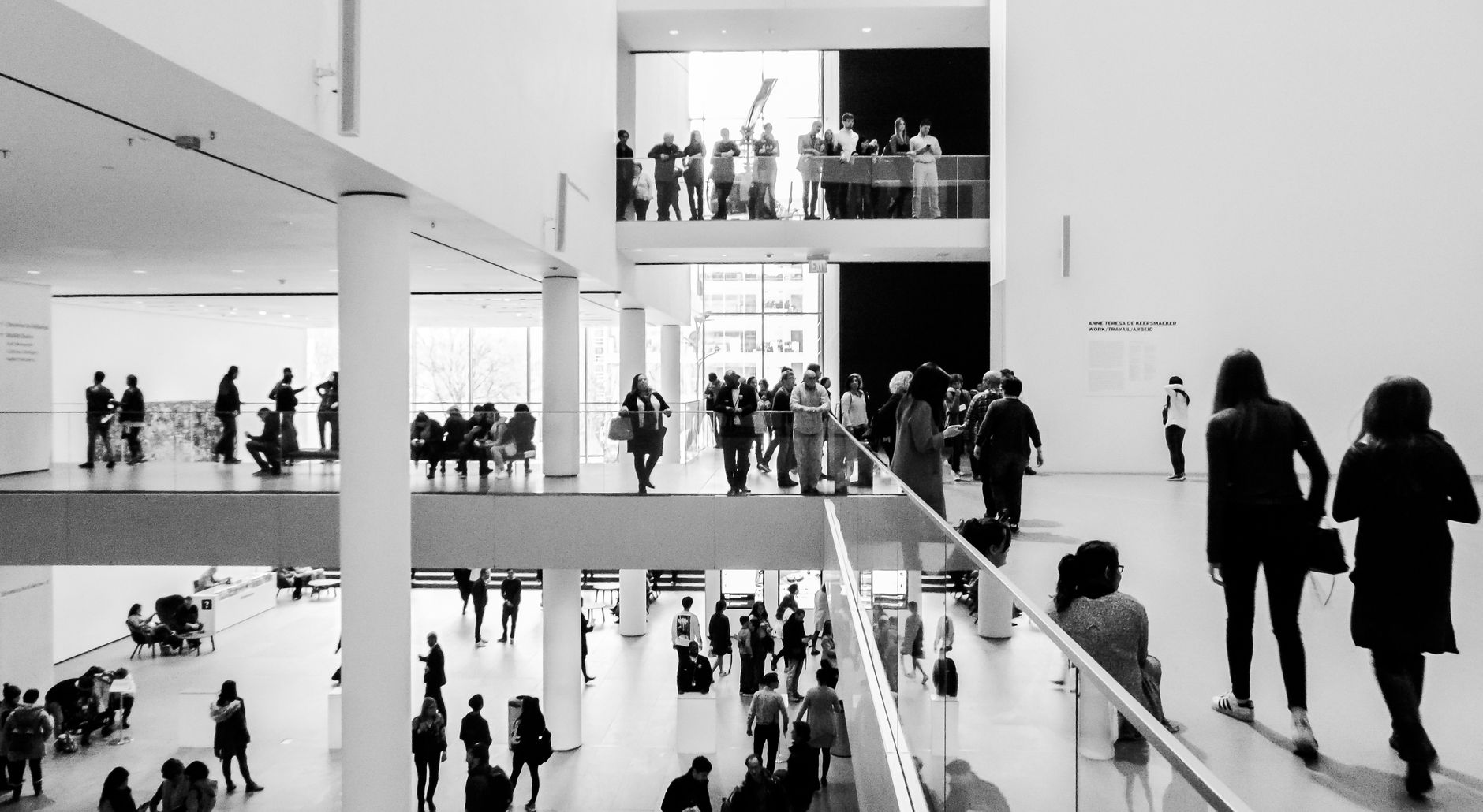
Guidance Without Disrupting Discovery
A museum guide must do more than recite labels. It has to recognize when a visitor is receptive, judge the appropriate depth of explanation, and withdraw before assistance becomes an intrusion.
That balance is difficult in galleries shaped by moving crowds, fluctuating noise, uneven lighting, and sharply different visitor interests. Continuous narration can interrupt contemplation, while a purely reactive guide may provide answers that are too brief to support meaningful learning.
The field study at a major provincial museum in central China examined this operational tension in a real public setting. Its central test was not simply whether an autonomous guide robot could speak, but whether context awareness could improve the timing, relevance, and educational value of each encounter.
- Recognize attention and interaction intent amid changing gallery conditions
- Adapt interpretive depth to visitor interest and familiarity
- Approach at an appropriate moment and retreat when attention shifts
- Preserve visitor autonomy while supporting measurable learning
A Context-Aware Field Evaluation
The study evaluated 50 visitors during regular museum hours over six weeks. Participants completed a briefing, interacted naturally with the guide during their visit, and then took part in interviews and standardized questionnaires.
Researchers compared a context-aware approach, explain, retreat strategy with two baselines. One responded minimally to direct prompts, while the other delivered exhibit information continuously without regard to visitor interest.
The robot combined visual, auditory, and spatial inputs to estimate attention and intent. It then selected an appropriate explanation, adjusted its depth, and disengaged when interest waned. System logs, recordings, field observations, interviews, questionnaires, and post-interaction knowledge assessments captured the results.
This was a research evaluation, not a documented commercial procurement. The paper does not report vendor selection, staff training, financing, maintenance arrangements, or a phased fleet rollout, so none is attributed to the museum.
- Evaluate gallery layout, crowd behavior, lighting, noise, and visitor decision points
- Compare context-aware guidance with reactive and continuous explanation strategies
- Measure engagement, recall, satisfaction, interruptions, and early terminations
- Review adverse conditions and conversational weaknesses before broader deployment

Better Timing Produced Better Recall
Information recall reached 73% with the context-aware strategy. The continuous explanation group retained 56% of the presented material, while the reactive group retained 42%. The headline gain therefore reflects a measured comparison between interaction strategies, not a general claim about every museum deployment.
Average engagement reached 5.7 minutes under the context-aware model, compared with 3.4 minutes for continuous explanation and 2.8 minutes for reactive interaction. The study also reported 68% fewer inappropriate interruptions than continuous explanation and 57% fewer early interaction terminations.
The context-aware strategy earned an average satisfaction rating of 4.2 out of 5, versus 3.1 for continuous explanation and 3.4 for reactive guidance. Across the full evaluation, educational value received 4.5 out of 5.
The boundaries matter. This was a single-site study with 50 participants, and recall was measured immediately after interaction. The authors also reported weaker context recognition under low-light, high-noise conditions and identified conversational naturalness as an area for improvement.
From Research Finding to Deployable Program

For museum operators, the lesson is precise: content alone does not determine educational value. Timing, environmental awareness, explanation depth, and a graceful exit can materially change what visitors retain.
Service Robot Co. can translate those requirements into a commercial robot pilot program for US institutions. As a vendor neutral robot integrator, the company assesses the site, selects suitable equipment across manufacturers, handles robot deployment and integration, trains staff, and supports each unit through a nationwide US engineer network.
Procurement can be structured around purchase or lease, including commercial robot leasing for business when appropriate. The practical value is lifecycle accountability: one partner for assessment, financing, go live support, robot maintenance, and field service rather than a fragmented chain of vendors.
No museum should treat the study's percentages as guaranteed outcomes. A responsible deployment establishes local baselines, tests scripts and interaction zones, measures recall and interruption rates, and expands only after the evidence supports it.