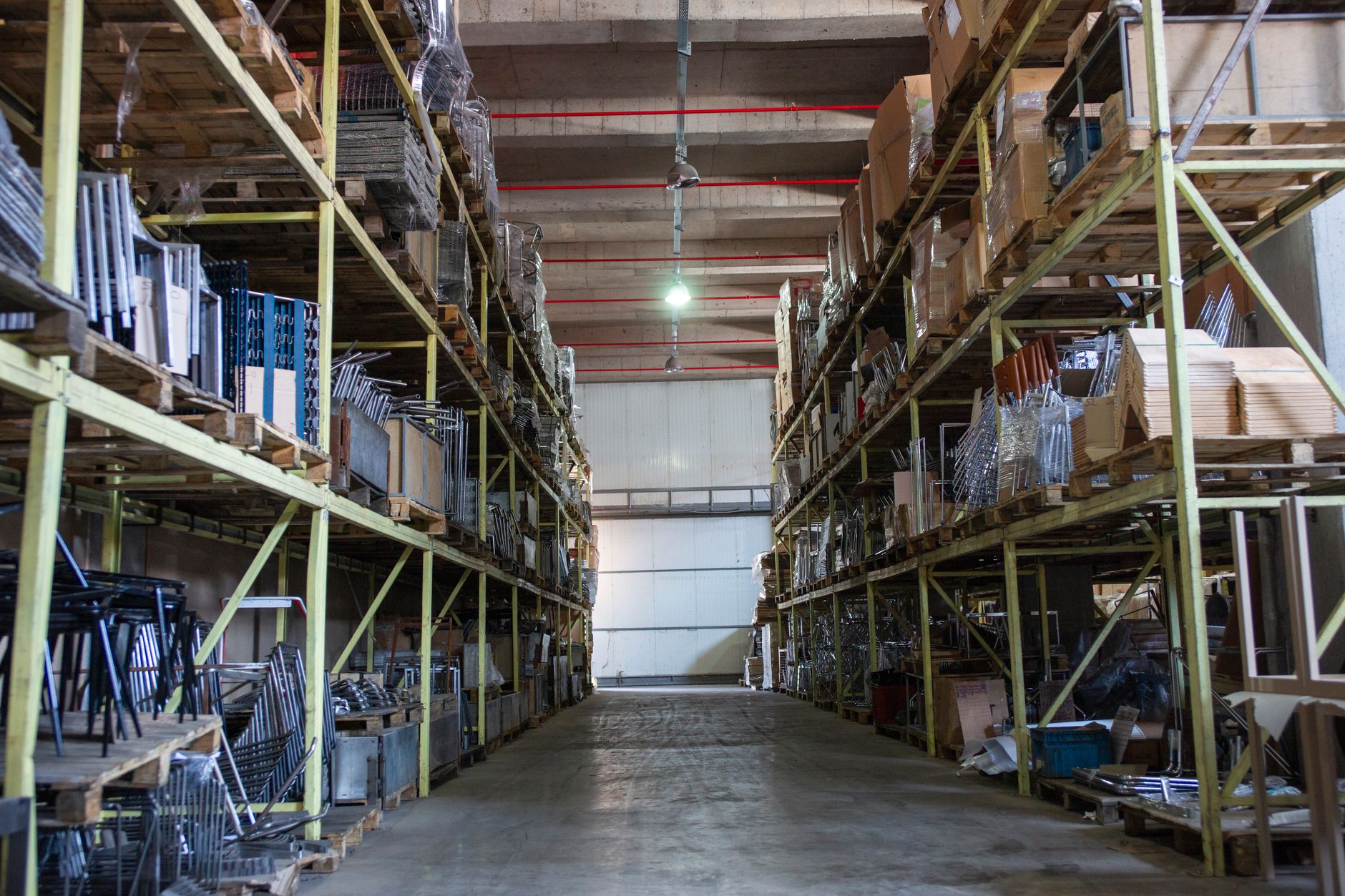
a North American packaging and distribution company with warehouse operations across the United States
How a National Distributor Autonomously Cleaned 470 Million Square Feet With Robotic Scrubbers
A North American packaging distributor scaled to 23 sites and autonomously scrubbed 470+ million square feet of warehouse space with a growing robotic fleet.
- 470M+ sf
- Autonomous
- 23
- Facilities
- 6
- First fleet
- 2021
- Start year
Based on a documented real-world deployment. Figures are from public reporting; the organization is not named.
Aging equipment and rising labor pressure
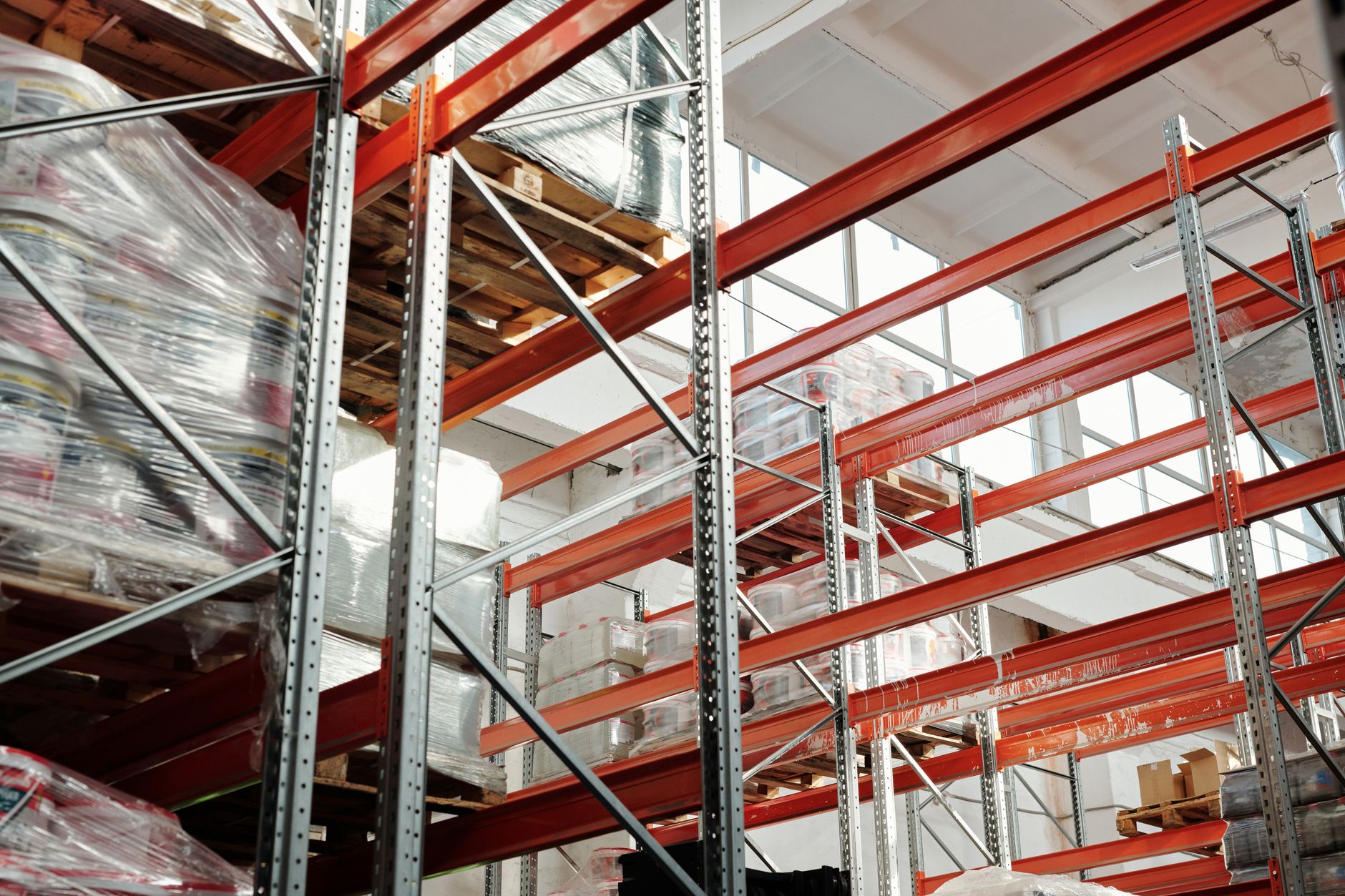
A North American packaging and distribution company with warehouse operations across the United States faced the familiar trio of productivity goals, worker safety, and climbing labor costs on wide industrial floors.
Manual scrubbing tied skilled operators to repetitive work while large footprints demanded consistent coverage. Leadership wanted proof that autonomous cleaning could scale before offering the same approach to its own customers.
- Wide aisles with constant forklift traffic
- Equipment refresh cycles competing with operating budgets
- Need for measurable ROI before multi-site rollout
From six scrubbers to a 23-site program
The company ran a return-on-investment review that compared manual scrubbing to autonomous alternatives, then piloted six robotic floor scrubbers in 2021. Operators trained on routes, water cycles, and recovery workflows while facilities leaders tracked run time and coverage.
After early sites proved the pattern, the program expanded to 23 North American warehouses. The fleet targeted large open zones where a single autonomous unit could cover substantial square footage with fewer machines than a fully manual program.
- Model labor and coverage in a formal ROI review
- Pilot six autonomous scrubbers before network expansion
- Standardize training and reporting across regions
Hundreds of millions of square feet on the meter

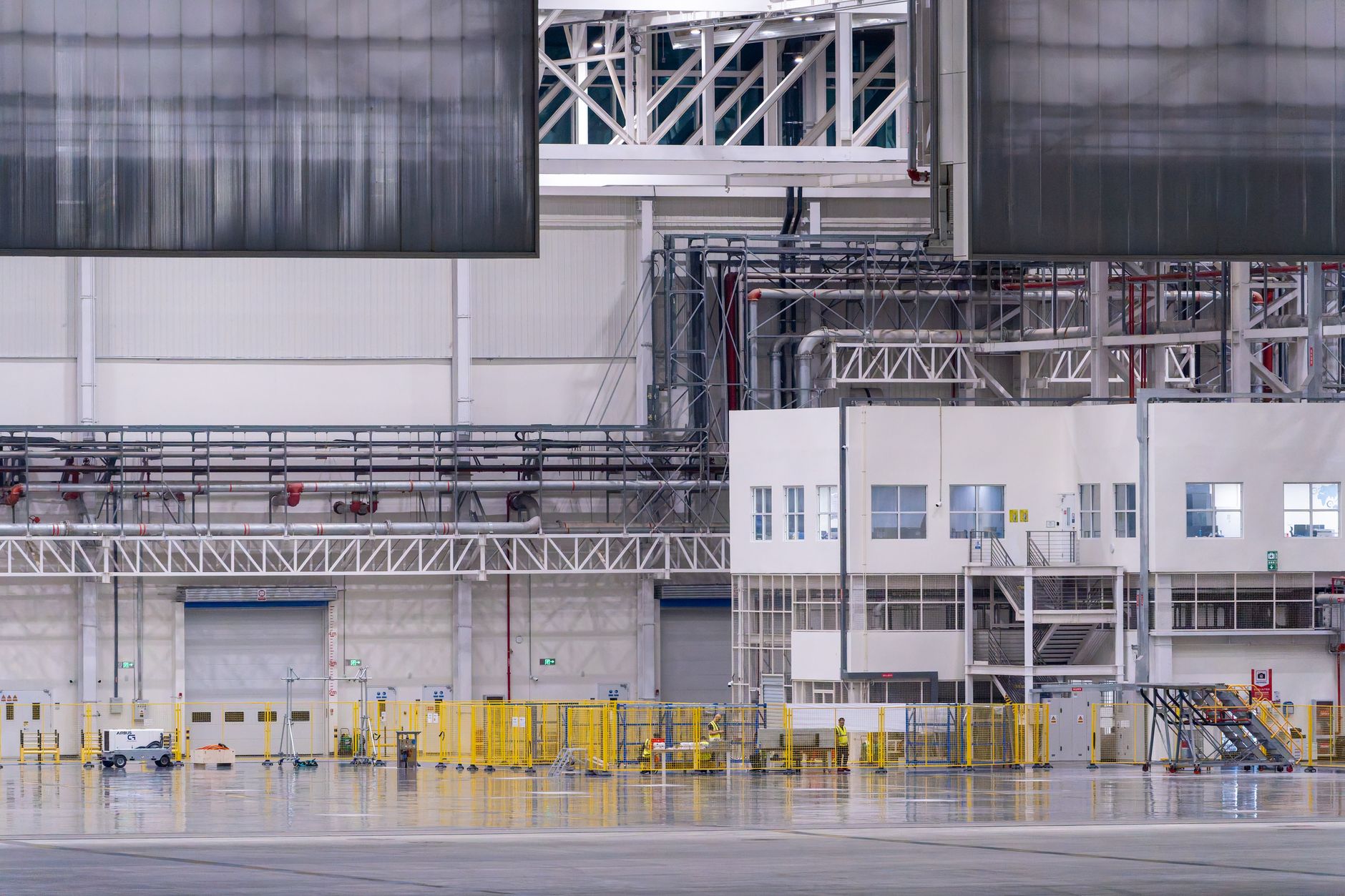
The published case study reports more than 470 million square feet of warehouse space cleaned autonomously across the deployed fleet. Facilities teams described cleaner buildings and more time spent on customer-focused tasks instead of operating ride-on scrubbers.
Employee feedback noted visible cleanliness gains and less fatigue from manual floor work. National distribution specialists credited operator buy-in at each warehouse as a reason the rollout kept momentum.
What multi-site operators should notice
This program was executed by the distributor and documented in a public equipment case study, not by Service Robot Co. The headline number is cumulative autonomous square footage across 23 sites, not a single-night miracle in one building.
Service Robot Co. helps U.S. distributors and 3PLs compare autonomous floor scrubber buy or lease options across manufacturers, then finance, deploy, integrate, train, and service units through RoboCare and a nationwide network of regional service engineers. A free site assessment can show which warehouses should lead your pilot before you commit to a network template.