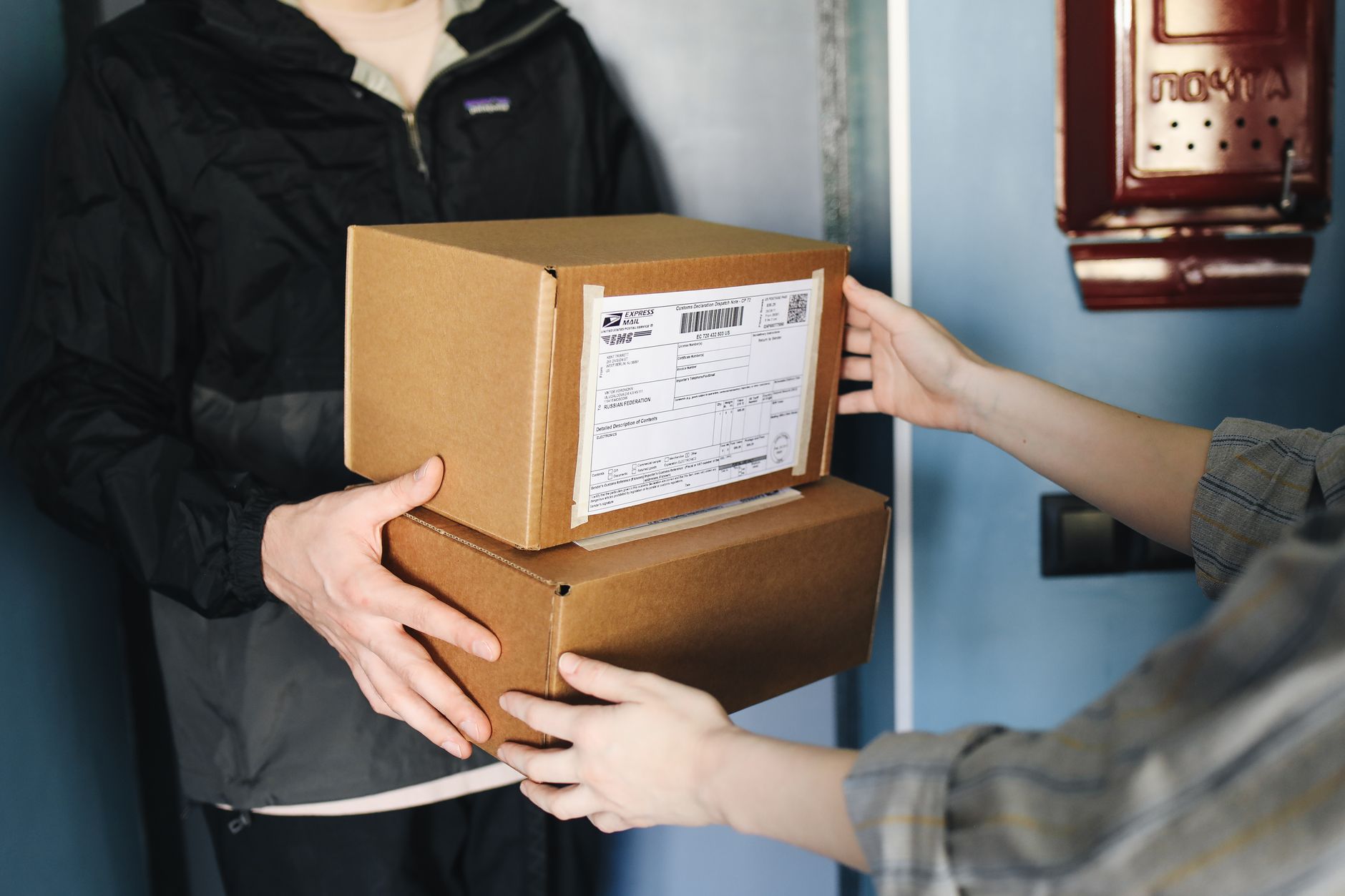
a national e-commerce fulfillment operator
How a National E-Commerce Operator Cut Stretch Film Use 54% With Mobile Wrapping
Hand-wrapped warehouse skids drove film waste and ergonomic risk. A mobile stretch wrapper cut film 54%, boosted containment 70%, and paid back in six months.
- 54%
- less film per load
- 78%
- less handling
- 70%
- better containment
- <6 mo
- reported ROI
Based on a documented real-world deployment. Figures are from public reporting; the organization is not named.
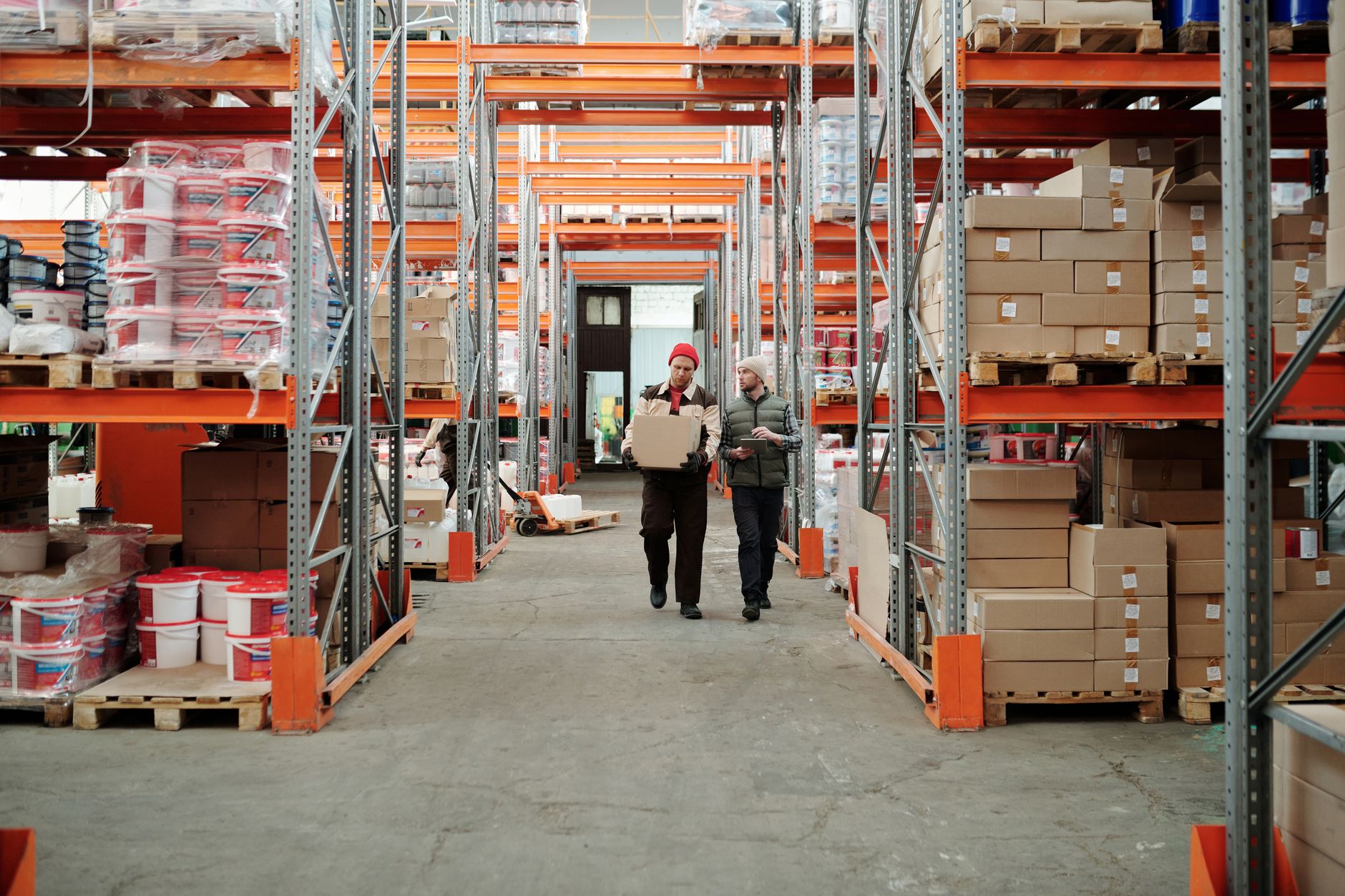
Hand wrap at every dock lane
A national e-commerce fulfillment operator moved full skid loads between warehouses with manual stretch wrap at floor-level stations. Wrap zones shifted with daily volume, so consistency suffered.
Employees wrapped large quantities of loads by hand each day, which raised ergonomic and safety concerns on a repetitive task. Film use per load varied with technique and fatigue.
Leadership wanted steadier load containment without adding fixed wrapper lines that could not follow freight across a flexible floor layout.
Mobile wrapper on the warehouse floor
Operations introduced a mobile stretch wrapping robot that travels to the pallet instead of forcing every skid through one stationary cell. The unit targets variable wrap zones while keeping wrap parameters consistent load to load.
Teams paired the robot with existing outbound staging so full pallets could be wrapped before transfer without a long walk to a central machine.
Training focused on film loading, wrap programs, and when to move the unit versus when to stage pallets for a stationary pass.
- Identify high-volume hand-wrap lanes between buildings or zones
- Set standard wrap programs for full skid loads on the mobile unit
- Move the wrapper with shift patterns instead of rebuilding fixed lines
- Track film per load and containment checks during the first month
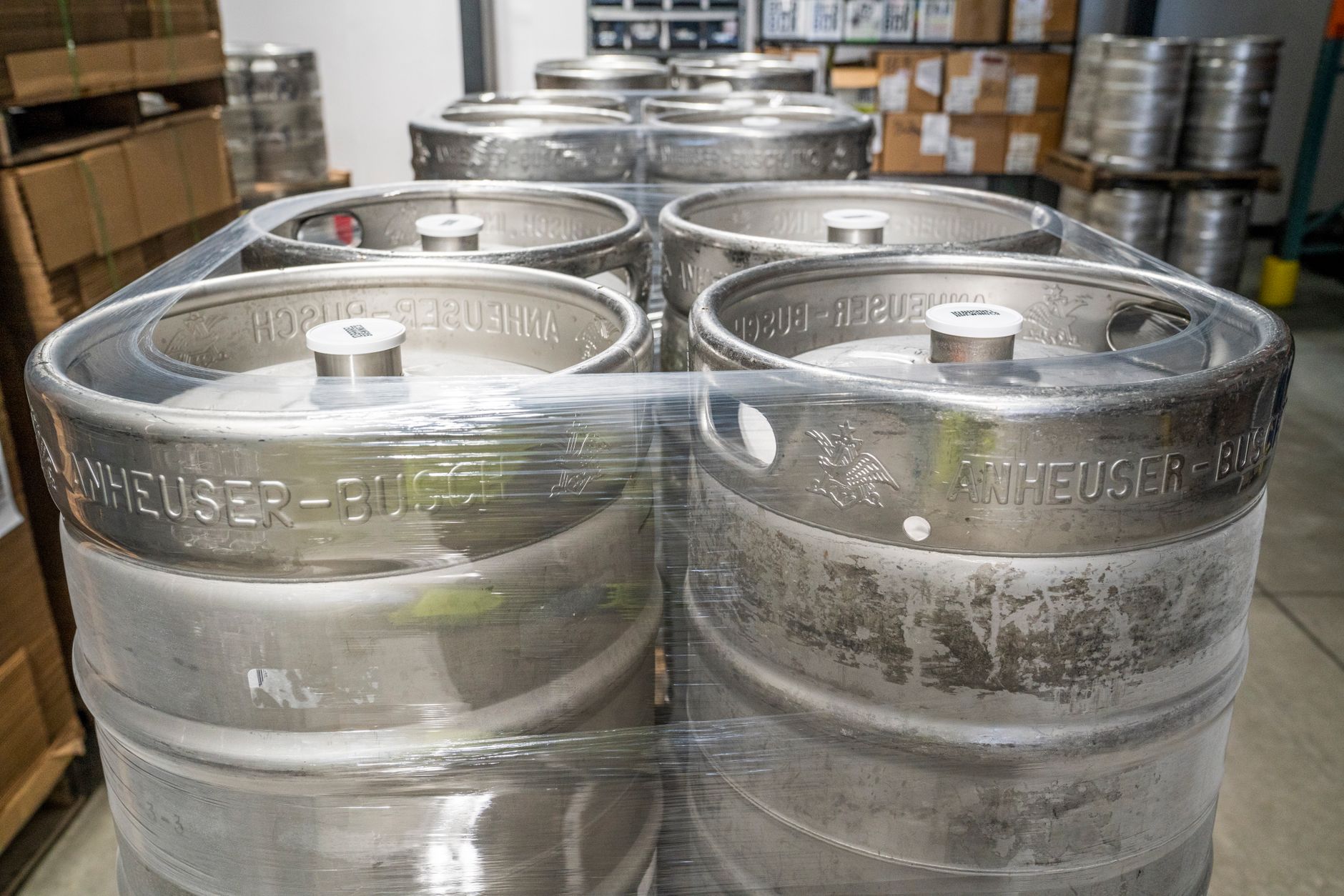
Documented film, handling, and containment gains

Reported results included about a 54% reduction in stretch film material per load, about a 78% reduction in material handling tied to wrap supplies, and about a 70% increase in load containment versus the prior hand-wrap baseline.
Payback on the investment was reported in less than six months after deployment.
The pattern applies to other US fulfillment networks comparing end-of-line automation to hand wrap when volume is high but floor layout stays fluid.
What fulfillment leaders can take from the pattern
Service Robot Co. is a full-service, OEM-neutral commercial robot integrator for US businesses. We help DC teams compare mobile wrap, palletizing, and AMR options, finance with monthly programs when useful, and deploy with integration, training, and nationwide service.
This study reflects a documented national e-commerce operator, not a Service Robot Co. customer. It answers a common question: when hand wrap is everywhere but film costs climb, can a mobile robot standardize containment without a building retrofit?
Vendor-neutral selection matters because mobile wrappers differ in pre-stretch, battery mobility, and film compatibility. One partner for pilot, lease or purchase, and service keeps wrap quality tied to outbound damage rates.